


How do we involve kids in garden-to-table meal prep?
Cultivating Connection: Involving Kids in Garden-to-Table Experiences
Connecting children with their food sources is a powerful way to teach them about nutrition, nature, and practical life skills. The garden-to-table journey offers a unique opportunity for hands-on learning, transforming everyday meals into exciting adventures. Involving kids in every step, from planting seeds to preparing the final dish, can foster a lifelong appreciation for healthy eating and sustainable living.

From Soil to Sprout: Engaging in the Garden
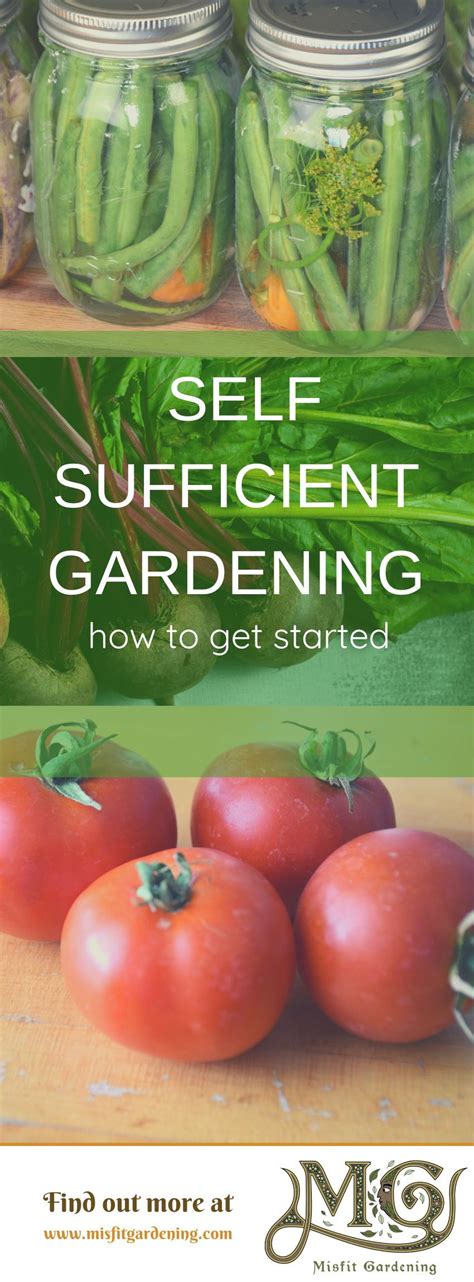
The garden is where the magic begins. Even a small container garden can provide valuable lessons. Start by letting kids choose what to grow; cherry tomatoes, snap peas, radishes, and leafy greens are often fast-growing and exciting for little hands. Give them their own small plot or designated pots, tools, and responsibilities like watering and checking for pests. This ownership builds pride and investment.
When harvest time comes, it’s a moment of triumph! Teach them how to identify ripe produce and the gentle art of picking. This direct experience of pulling a carrot from the ground or plucking a sun-warmed tomato is incredibly satisfying and makes them eager to taste the fruits (and vegetables) of their labor.
Into the Kitchen: Culinary Adventures
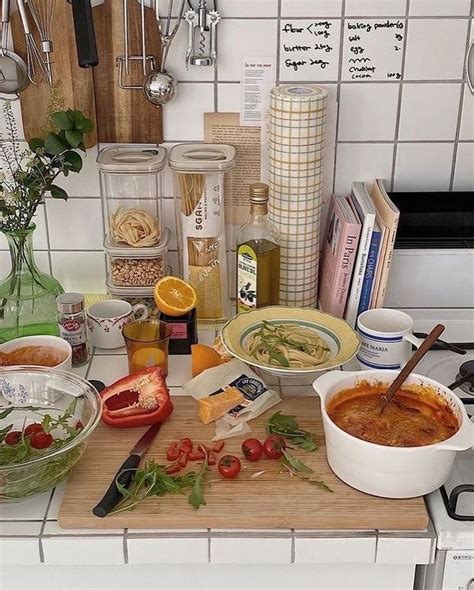
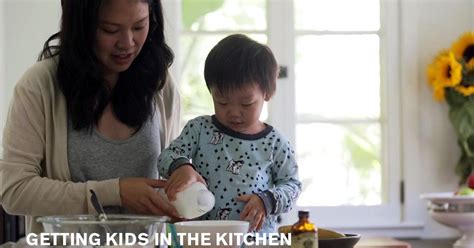
Once the bounty is collected, the kitchen becomes the next classroom. Assign age-appropriate tasks to keep them engaged and safe. Younger children can help wash vegetables, tear lettuce, stir ingredients, or mash soft foods. Older kids can assist with measuring, peeling (with supervision), and even simple chopping using child-safe knives. Involve them in brainstorming how to use the harvested produce; this encourages creativity and problem-solving.

Simple recipes are best for involving kids. Think fresh salads, vegetable skewers, homemade pizzas topped with garden veggies, or even a simple pesto from homegrown basil. The goal is participation, not perfection. Let them feel like genuine contributors to the meal.
Fostering Skills and Healthy Habits
The garden-to-table process teaches more than just cooking. It’s a holistic learning experience that builds a variety of skills:
- Responsibility: Caring for plants and contributing to meal prep.
- Patience: Waiting for seeds to sprout and plants to grow.
- Sensory Exploration: Touching soil, smelling herbs, tasting fresh produce.
- Math and Science: Measuring ingredients, understanding plant lifecycles.
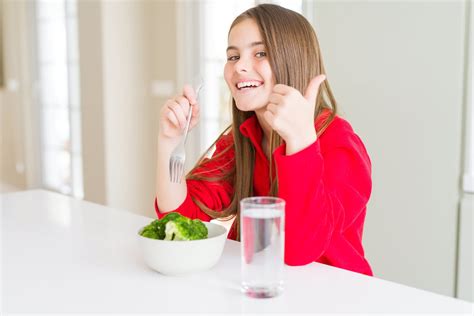
- Healthy Choices: Naturally encouraging a preference for fresh, wholesome foods.
- Teamwork: Collaborating with family members in the garden and kitchen.

Tips for a Joyful Journey
To ensure a positive experience, remember these tips:
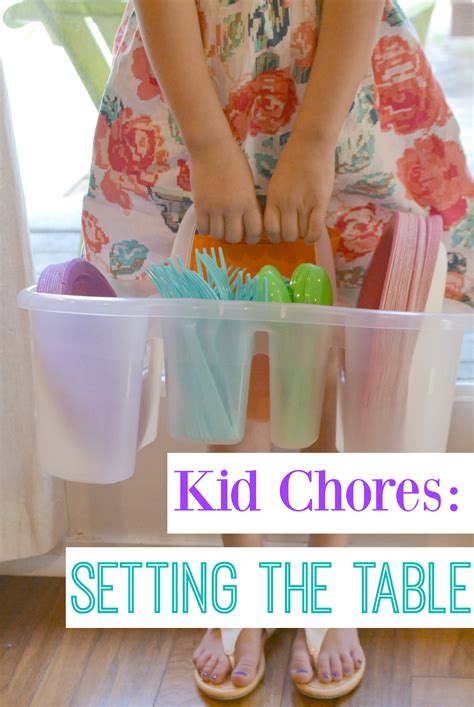
- Keep it Fun: Avoid making it a chore. Frame tasks as exciting adventures.
- Embrace Messes: Spills and dirt are part of the learning process.
- Be Patient: Kids might be slower or need more guidance. Allow extra time.
- Celebrate Efforts: Praise their contributions, no matter how small.
- Lead by Example: Show your own enthusiasm for gardening and cooking.
- Start Small: Don’t overwhelm them with too many tasks or a giant garden initially.
The Reward: A Shared Meal and Lasting Memories
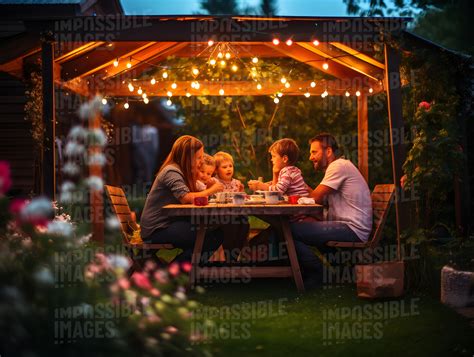
The ultimate reward of involving kids in garden-to-table meal prep is gathering around the table to enjoy a meal they helped create. The food often tastes better when they’ve had a hand in growing and preparing it, and the conversation flows easily as they recount their gardening and cooking adventures. This shared experience creates not just delicious meals, but also cherished family memories and a foundational understanding of where food comes from, nurturing both body and mind.