How do we involve kids in garden-to-table meal prep without meltdowns?

Cultivating Joy: Involving Kids in Garden-to-Table Meals
The idea of involving kids in garden-to-table meal preparation sounds idyllic: happy little hands harvesting fresh produce, eagerly chopping vegetables, and then proudly devouring a meal they helped create. The reality, however, can often feel more like a recipe for a meltdown – for both kids and parents. But fear not! With a few strategic approaches, you can turn kitchen chaos into cherished memories and nurture a love for healthy food.

Why Bother? The Benefits Beyond the Plate
While the immediate goal might be to get dinner on the table, involving children in the entire food journey offers a wealth of benefits. It teaches them valuable life skills, from understanding where food comes from to basic cooking techniques. It encourages adventurous eating, as kids are more likely to try foods they’ve helped grow and prepare. It also builds confidence, fosters creativity, and provides quality family bonding time.
Setting the Stage for Success: Prepping for Prep
1. Start Small and Keep it Age-Appropriate
- Toddlers (1-3 years): Simple tasks like washing vegetables, tearing lettuce, stirring ingredients, or adding pre-measured items. Focus on sensory exploration.
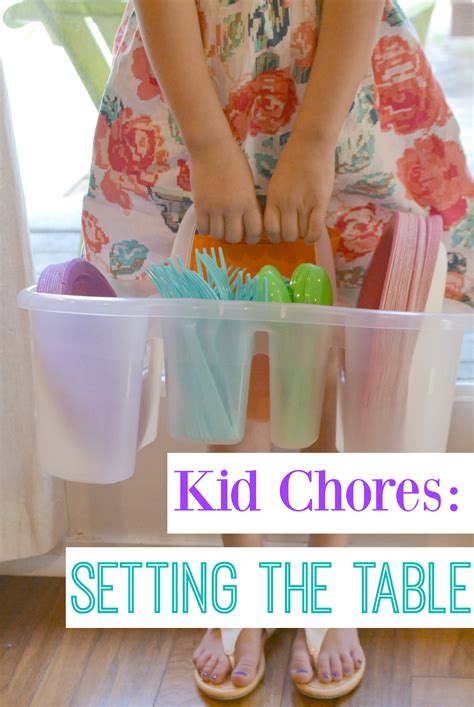
- Preschoolers (3-5 years): Progress to mashing, pouring, spreading, using child-safe knives for soft foods, and helping set the table.
- School-Aged Kids (6+ years): Can handle more complex tasks like peeling, chopping with supervision, measuring, reading simple recipes, and even basic stove-top cooking (under strict adult guidance).
Don’t expect perfection, and understand that their attention spans are limited. Even five minutes of focused participation is a win.

2. Manage Expectations (Especially the Mess)
Cooking with kids is messy. Flour will fly, water will spill, and vegetables might end up on the floor. Embrace it as part of the learning process. Lay down newspaper or a washable mat, have cleaning supplies ready, and remind yourself that the experience outweighs a spotless kitchen.
3. Give Them Choices (Within Limits)
Empowerment is key. Instead of “Help me cook,” try “Would you like to wash the cucumbers or snap the beans?” Or, “Shall we make a salad or roasted vegetables with our carrots?” Giving them a sense of control reduces resistance.
4. Make it Fun and Engaging
- Storytelling: Talk about the “journey” of the vegetables from seed to plate.
- Taste-Testing: Encourage trying ingredients raw (if safe) and describing flavors.
- Theme Meals: Plan a “rainbow plate” or a “pirate’s garden bounty” dinner.
- Sing Songs: Turn mundane tasks into a fun activity with silly songs.

From Garden to Kitchen: Seamless Transitions
1. The Garden Connection
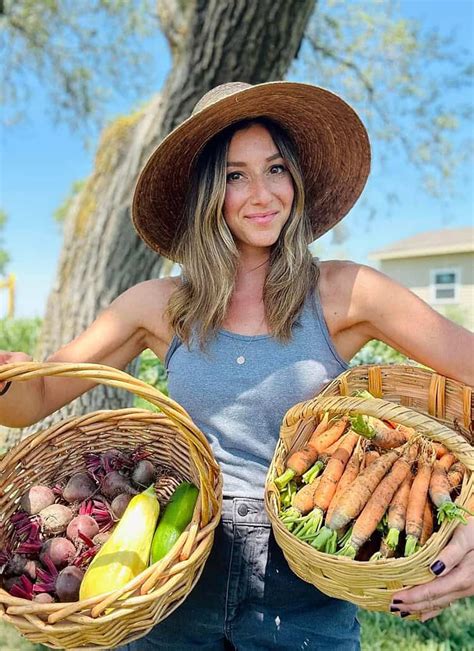
Involving kids from the very beginning deepens their connection to food. Let them help plant seeds, water seedlings, and harvest ripe produce. They’re more likely to eat something they’ve personally nurtured. Talk about the plant’s journey and why certain foods are good for us as you’re picking them.

2. Simple Recipes, Big Impact
Choose recipes that are forgiving and don’t require precise measurements or complex steps. Think simple salads, roasted vegetables, fruit crumbles, or homemade pizzas where kids can add their own toppings. Focus on fresh ingredients that shine on their own.
- Snack Time Heroes: Cucumber slices with hummus, carrot sticks with dip, berry parfaits.
- Dinner Stars: Garden pizzas, vegetable frittatas, pasta with fresh tomato sauce.
Patience and Praise: The Secret Ingredients
The most crucial ingredient is patience. Tasks will take longer, and instructions may need repeating. Focus on effort and participation, not just the end result. Offer specific praise: “I love how carefully you washed those beans!” or “You did a fantastic job stirring.” A positive, encouraging atmosphere is far more likely to prevent meltdowns than a stressful, results-oriented one.
Involving kids in garden-to-table meal prep isn’t just about teaching them to cook; it’s about fostering a healthy relationship with food, building confidence, and creating invaluable family memories. By setting the right environment and managing expectations, you can cultivate not only delicious meals but also a lifelong love for cooking and eating well, all while keeping those meltdowns at bay.