How do we involve kids in real food garden-to-table traditions?
Cultivating Connection: Why Garden-to-Table Matters for Kids
In an age where food often appears magically pre-packaged, connecting children to the source of their meals is more vital than ever. Garden-to-table traditions offer a powerful way to teach kids about where food comes from, the effort involved in growing it, and the immense pleasure of enjoying fresh, homegrown produce. Beyond nutrition, these experiences cultivate patience, responsibility, and an appreciation for nature’s bounty.
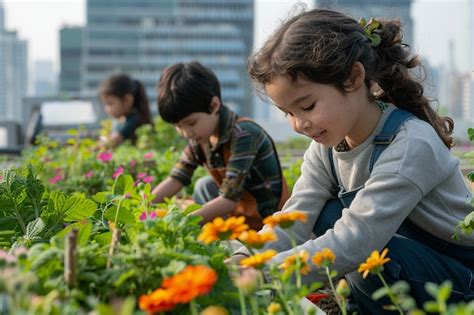
Getting Their Hands Dirty: Involving Kids in the Garden
The garden itself is the ultimate outdoor classroom. Start small and simple to avoid overwhelming young minds. Give kids their own small plot or even a dedicated container for a plant of their choice, like cherry tomatoes or snap peas, which are easy to grow and yield quick results. Involve them in every step:
- Planning: Let them help choose what to grow.
- Planting: Show them how to sow seeds or transplant seedlings. Emphasize gentle care.
- Tending: Assign simple tasks like watering (with supervision), weeding, or observing for pests. Make it an adventure!

From Harvest to Hearth: Bringing the Bounty Indoors
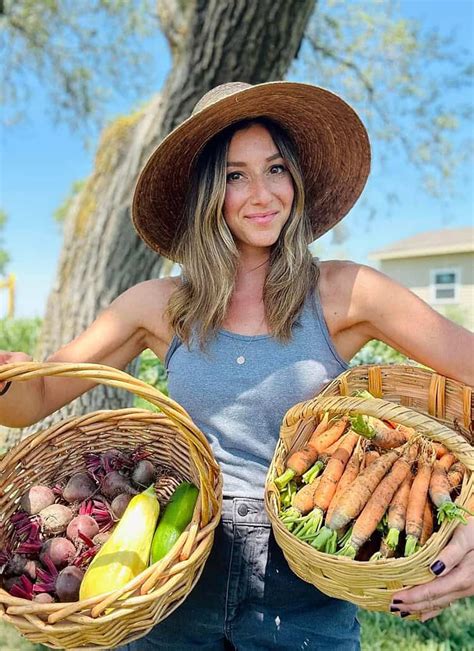
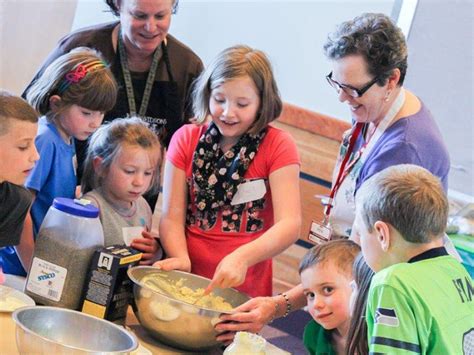
The excitement of harvesting is unparalleled. Encourage children to carefully pick ripe fruits and vegetables. Once indoors, extend the learning to the kitchen. Even toddlers can participate in simple tasks:
- Washing: Letting them wash vegetables in a bowl of water.
- Prepping: Older kids can tear lettuce, shell peas, or use child-safe knives to chop soft ingredients.
- Cooking: Involve them in mixing salads, stirring pots, or assembling simple dishes.
This direct involvement makes them more likely to try and enjoy the foods they helped create.
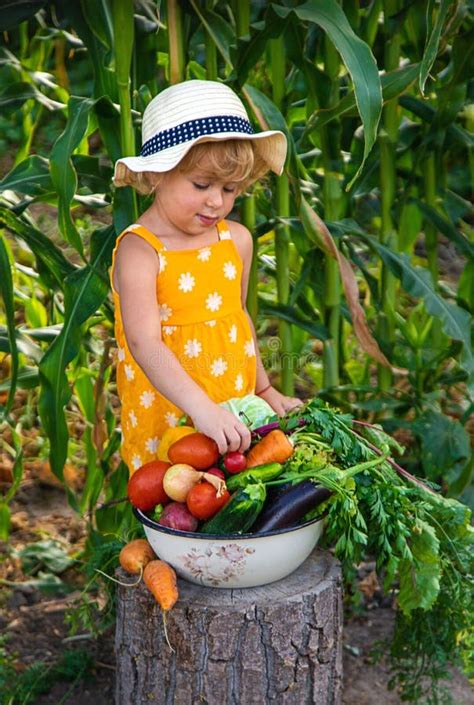
The Family Table: Celebrating the Shared Effort
The culmination of the garden-to-table journey is the shared meal. Make it a celebration of their hard work. Talk about the journey of the food on their plate: “Remember when we planted these carrots?” or “You helped water these tomatoes every day!” This narrative reinforces their connection and pride.
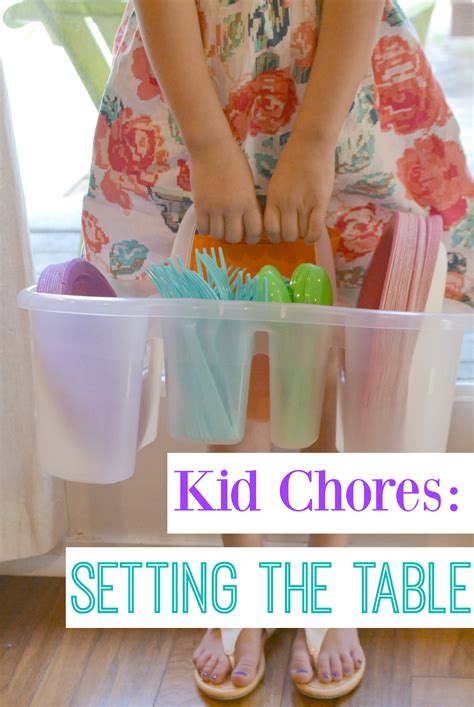
- Setting the Table: Let them help set the table, perhaps even decorating it with a small bloom from the garden.
- Serving: Allow them to serve themselves or help pass dishes around.
- Gratitude: Encourage discussion about what they enjoyed and appreciated about the meal.

Sustaining the Tradition: Fun, Flexibility, and Learning
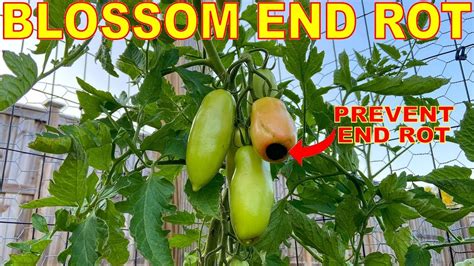
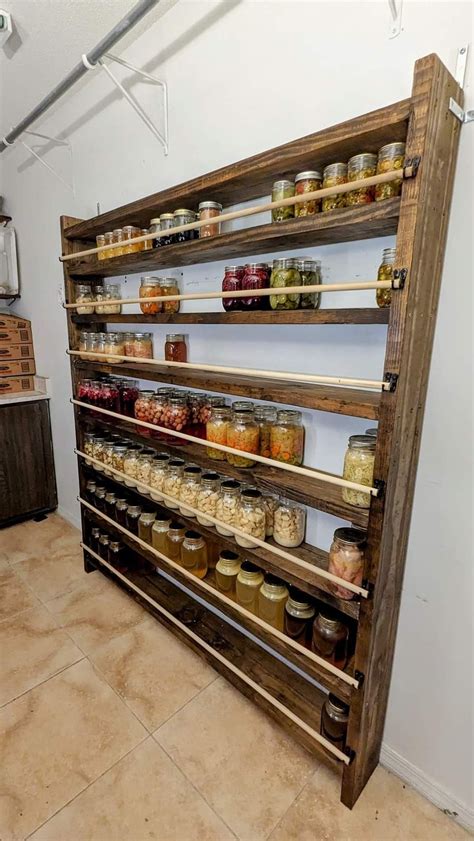
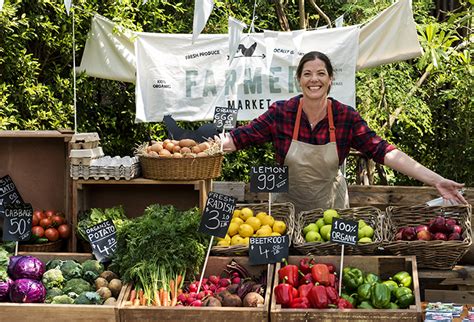
To keep the tradition alive, maintain an element of fun and flexibility. Not every crop will succeed, and that’s okay – it’s a valuable lesson in resilience. Experiment with different plants, visit local farmers’ markets for inspiration, or try preserving some of your harvest together. The goal isn’t perfection, but consistent, joyful engagement.
By integrating children into the entire cycle, from seed to plate, we don’t just teach them about food; we nurture a holistic understanding of nature, nutrition, and the profound satisfaction of shared effort and delicious, real food.