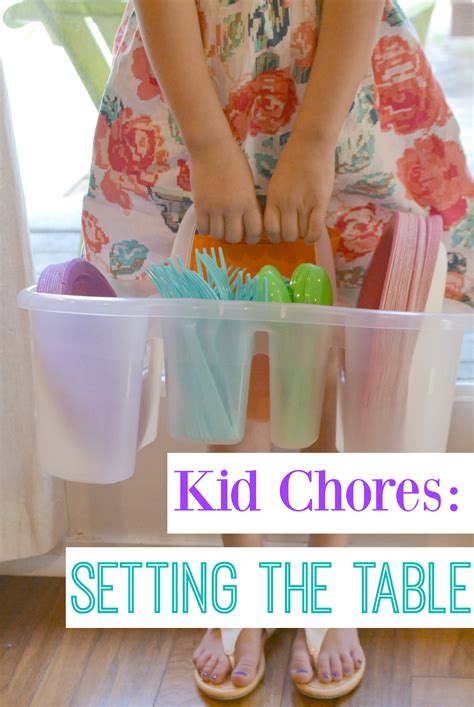
How do we involve kids in real food meal prep & home tasks simply?

Why Involve Kids in Meal Prep and Home Tasks?
Integrating children into the rhythm of meal preparation and household chores is more than just getting extra hands; it’s a profound investment in their development. From a young age, kids possess an innate curiosity and a desire to contribute. Tapping into this can transform mundane tasks into meaningful learning experiences, fostering responsibility, building practical life skills, and strengthening family bonds. Moreover, it lightens the load for parents, creating a more harmonious and collaborative home environment.
Beyond the immediate help, involving kids teaches them about nutrition, budgeting, teamwork, and the satisfaction of contributing to a shared goal. These are foundational skills that will serve them well throughout their lives, building confidence and independence one stirred pot or folded towel at a time.

Making Meal Prep Fun and Simple
The kitchen is a fantastic classroom. Start by involving children in the planning stage. Let them choose a recipe, help write the shopping list, or even pick out a vegetable at the grocery store. This gives them ownership and excites them about the upcoming meal.
When it comes to the actual cooking, assign age-appropriate tasks. Toddlers can wash fruits and vegetables, stir ingredients in a bowl, or hand you utensils. Older children can measure ingredients, chop soft vegetables with a child-safe knife, set the table, or even follow simple recipe instructions. Focus on the process rather than perfection, and be prepared for a little mess – it’s part of the learning!
To keep spirits high, play music, tell stories, or turn cooking into a game. Celebrate their contributions, no matter how small. The goal is to make it an enjoyable family activity, not a chore. This positive association will encourage them to participate more willingly in the future.

Integrating Home Tasks Naturally
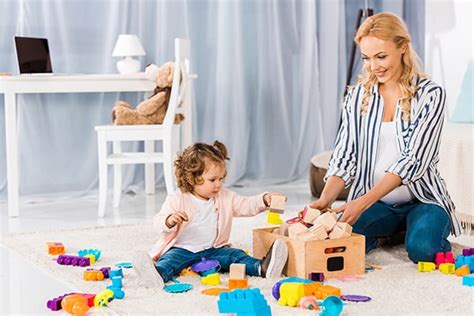
Just like meal prep, home tasks can be seamlessly integrated into a child’s daily routine. Start early with simple habits. Even a two-year-old can learn to put toys back in a basket after playing. As they grow, expand their responsibilities to include making their bed, helping to sort laundry, putting away clean dishes, or sweeping small areas.
Consistency is key. Establish a routine where certain tasks are done daily or weekly, making them a natural part of family life. Provide clear, simple instructions and demonstrate how to do the task first. Avoid overwhelming them; introduce new responsibilities gradually. Remember to acknowledge their efforts and offer specific praise, reinforcing their sense of competence and contribution.
Keys to Long-Term Success
Patience is perhaps the most crucial ingredient in this recipe for involvement. There will be spills, mistakes, and days when your child would rather do anything else. Embrace these moments as opportunities for teaching and growth. Focus on progress, not perfection, and allow them to learn from their missteps without judgment.
Be a role model. Children learn by observing, so let them see you engaging in household tasks with a positive attitude. Make it clear that everyone in the family contributes to the well-being of the home. Equip them with the right tools, whether it’s a child-sized broom or a safe cutting board, to make tasks easier and more accessible.

Fostering Responsibility and Family Connection
Involving kids in real food meal prep and home tasks is a powerful way to cultivate responsibility, independence, and a strong sense of family belonging. By breaking down tasks into simple, age-appropriate steps and approaching them with patience and enthusiasm, parents can create a home environment where everyone feels valued and capable. These shared experiences build lasting memories and equip children with invaluable life skills, setting them up for success far beyond the kitchen counter or living room floor.