



How do we involve kids in real food prep without chaos?

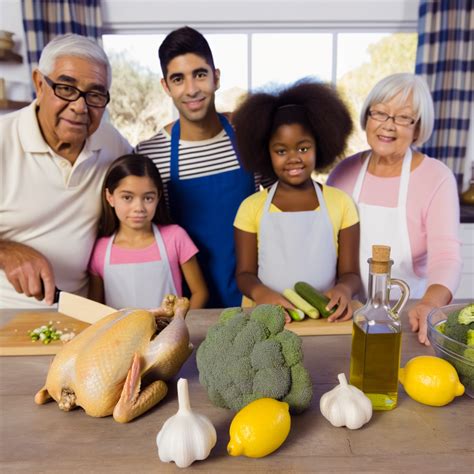
Involving children in the kitchen can feel like a recipe for disaster rather than dinner. The thought of flour explosions, spilled milk, and tiny hands wielding sharp objects might send shivers down even the most patient parent’s spine. However, teaching kids to cook offers invaluable life skills, encourages healthy eating habits, and creates cherished family memories. The good news? You can invite your little chefs into the culinary world without turning your kitchen into a war zone. It’s all about preparation, patience, and setting realistic expectations.
Start Small and Simple: The Foundation of Fun
The key to a successful, chaos-free cooking experience with kids lies in starting with manageable tasks and building up gradually. Think about what your child can realistically do based on their age and motor skills. A toddler might wash vegetables, while an older child can measure ingredients or stir a batter. Introducing one new skill at a time prevents overwhelm for both of you.
Pre-Planning is Your Best Friend
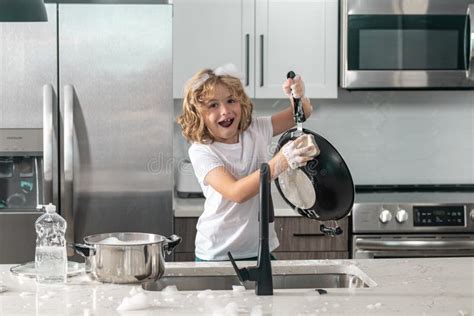
Before you even step foot in the kitchen with your child, do some prep work yourself. Choose simple recipes with fewer ingredients and steps. Read through the recipe entirely and gather all necessary ingredients and equipment beforehand. Pre-measuring some ingredients (like flour or sugar) can significantly reduce mess and speed up the process. This foresight transforms a potentially chaotic session into a guided, enjoyable activity.
Set clear expectations from the outset. Explain what you’ll be making, what their role will be, and what the rules are (e.g., “we clean up as we go,” “no tasting until it’s cooked”). Having a designated “kid-friendly” workspace, perhaps a sturdy stool at the counter or a small table, also helps define boundaries and keeps things contained.
Age-Appropriate Tasks for Every Little Chef
Tailoring tasks to a child’s developmental stage is crucial for engagement and safety. Here’s a general guide:
- Toddlers (1-3 years): Washing fruits/vegetables, stirring ingredients in a bowl (empty or pre-measured), tearing lettuce, mashing soft foods (like bananas), pressing cookie cutters.
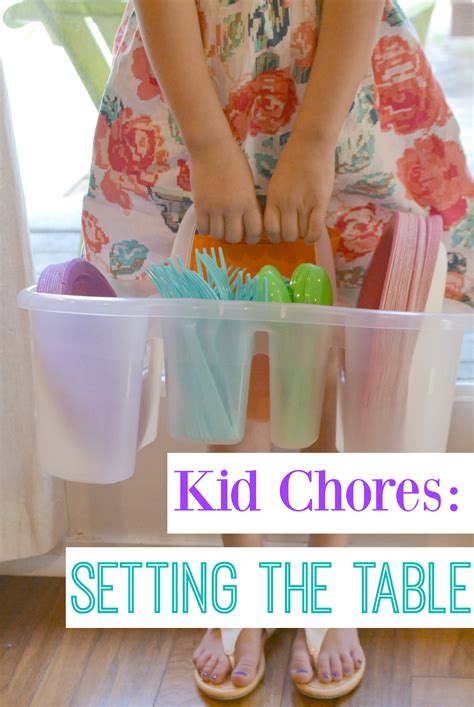
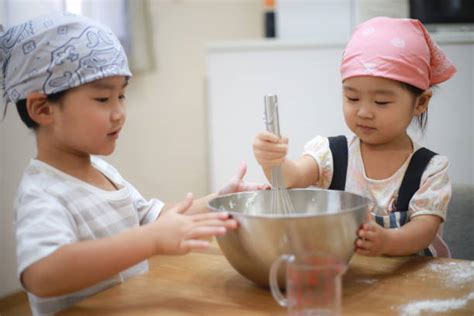
- Preschoolers (4-5 years): Spreading butter or jam, whisking eggs, pouring pre-measured ingredients, kneading dough, setting the table, wiping spills.
- Young School-Aged Kids (6-8 years): Measuring ingredients, cracking eggs, peeling vegetables (with a child-safe peeler), chopping soft foods (like cucumbers or bananas with a butter knife), basic sandwich assembly.
- Older Kids (9+ years): Using graters, dicing vegetables, following a recipe independently, operating simple appliances (with supervision), making a full meal with guidance.
Mastering the Mess: Tips for a Tidy Experience
Let’s be real: some mess is inevitable when cooking with kids, but it doesn’t have to be overwhelming. Lay down a large mat or old newspaper under their workspace for easy cleanup. Keep a damp cloth or sponge handy for immediate spill management. Encourage “clean as we go” habits – for example, put away ingredients once they’re used. Involve them in the final cleanup, too; it teaches responsibility and shows them that cooking involves more than just mixing.
Additionally, invest in kid-friendly tools: child-safe knives (nylon or plastic), small whisks, and sturdy measuring cups. These tools not only reduce safety risks but also make the process more accessible and enjoyable for tiny hands, minimizing frustration for both parent and child.
Safety First: A Non-Negotiable Rule
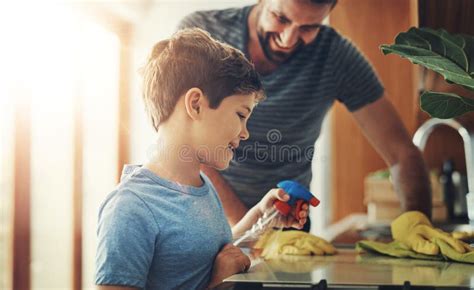
Before any cooking session, discuss kitchen safety rules. Emphasize handwashing, never touching hot surfaces without permission, and how to properly use tools. For tasks involving knives or heat, direct supervision is paramount. Teach them the “bear claw” technique for holding food while chopping to protect their fingers. Make it clear that some tasks are for adults only, explaining why to foster understanding rather than resentment.

Embrace the Process, Not Just the Product
Perhaps the most critical ingredient for a chaos-free kitchen is patience. Things will take longer, and mistakes will happen. Focus on the experience and the skills being learned rather than striving for culinary perfection. Celebrate their efforts, even if the cookies aren’t perfectly round or the sandwich is a bit lopsided. The goal is to foster a positive relationship with food and cooking, not to produce Michelin-star dishes.
Turn cooking into a game. Sing songs, tell stories, or make silly faces. Let them personalize their creations. When kids feel ownership and enjoy the process, they’re more likely to participate enthusiastically and less likely to create “chaos.” Remember, these moments in the kitchen are building blocks for confidence, independence, and a lifetime of healthy habits.

Conclusion
Involving kids in real food prep doesn’t have to be a daunting task. By starting small, planning ahead, assigning age-appropriate tasks, managing mess, prioritizing safety, and embracing the journey with patience, you can transform your kitchen into a joyful classroom. Not only will you be nurturing future chefs, but you’ll also be creating priceless memories and instilling valuable life skills that extend far beyond the dinner table.