

How do you adapt old family recipes for real food, homemade country living?

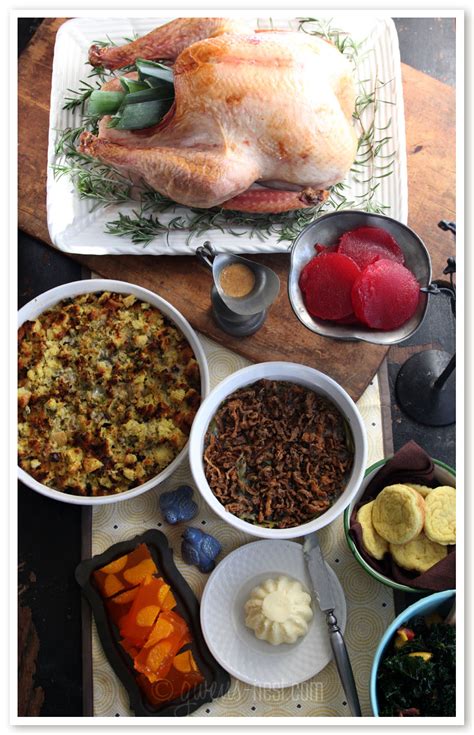
Old family recipes are more than just instructions; they are edible heirlooms, carrying stories, traditions, and the flavors of generations past. Yet, in our pursuit of ‘real food’ and a homemade, country living lifestyle, these beloved dishes sometimes need a little thoughtful adaptation. The goal isn’t to erase history but to honor it while aligning with healthier, more wholesome principles.
Embracing the “Real Food” Ethos
At the core of adapting old recipes for real food country living is a commitment to whole, unprocessed ingredients. This means moving away from refined sugars, bleached flours, hydrogenated oils, and artificial additives that often crept into cooking as industrial food production expanded. Instead, we lean into what our ancestors would have recognized: ingredients straight from the farm or garden, minimally altered, and brimming with natural goodness.
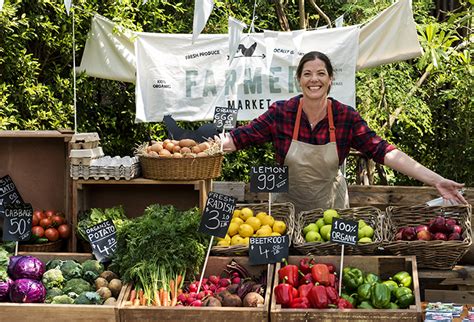
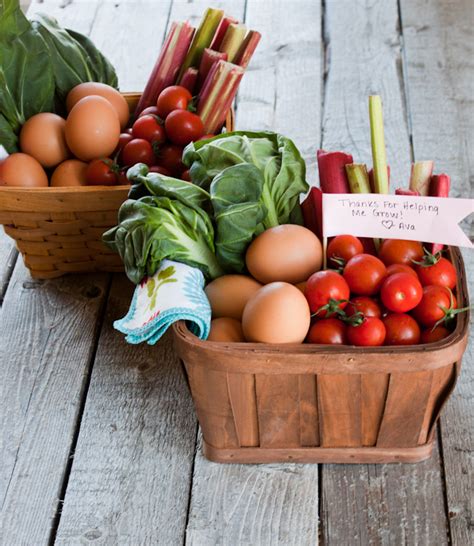
Think about sourcing locally and seasonally whenever possible. This not only enhances flavor and nutrient density but also connects your cooking more deeply to the rhythms of country life. Whether it’s fresh berries in summer or root vegetables in winter, letting the bounty of the season guide your modifications is a cornerstone of this approach.
Strategic Ingredient Swaps
One of the most impactful ways to adapt a recipe is through intelligent ingredient substitutions. Let’s tackle some common culprits:
Sugar:
Many old recipes call for copious amounts of white granulated sugar. Consider reducing the quantity by a quarter or a third initially, as our palates have become accustomed to much sweeter foods. Replace with natural sweeteners like local honey, maple syrup, sucanat, or dates. These options often bring additional depth of flavor and nutrients.
Flour:
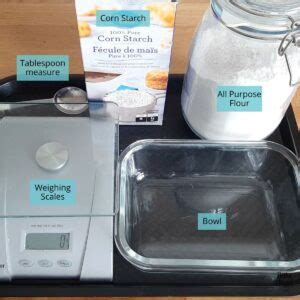
Instead of all-purpose white flour, explore whole grain options like whole wheat pastry flour (for lighter baked goods), spelt, einkorn, or even freshly milled local grains. For thickening sauces, a small amount of arrowroot powder or tapioca starch can work, or simply reduce the liquid more slowly.
Fats:
Hydrogenated vegetable oils were once common. Swap these out for traditional, healthier fats like butter from grass-fed cows, lard from pastured pigs, coconut oil, or high-quality olive oil. These fats not only improve the nutritional profile but also often enhance the flavor and texture of dishes.
Processed Ingredients:
Canned soups, packaged broths, and convenience items can usually be replaced with homemade alternatives. A rich, homemade bone broth elevates any soup or sauce, and fresh herbs and spices far outperform dried, powdered mixes in terms of flavor and health benefits.
Embracing Traditional Techniques
Sometimes, adaptation isn’t just about ingredients, but also about the methods. Traditional country cooking often involved slower, more deliberate techniques that enhance flavor and digestibility.
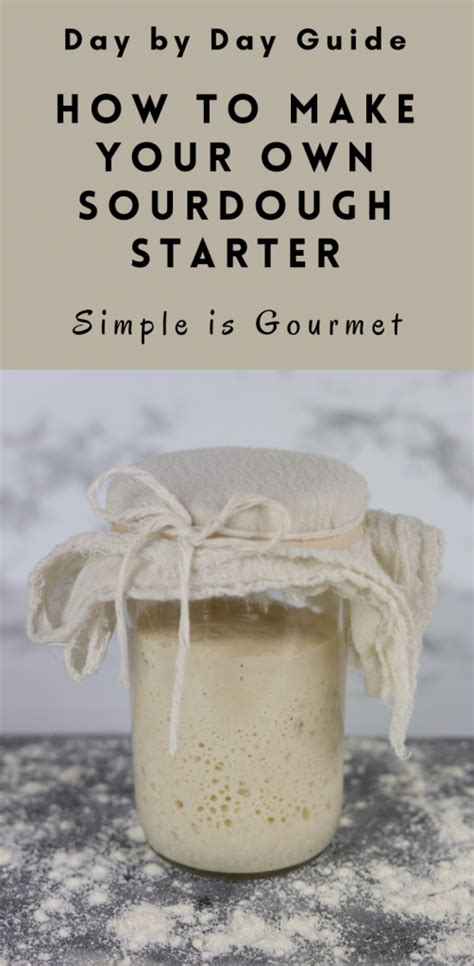
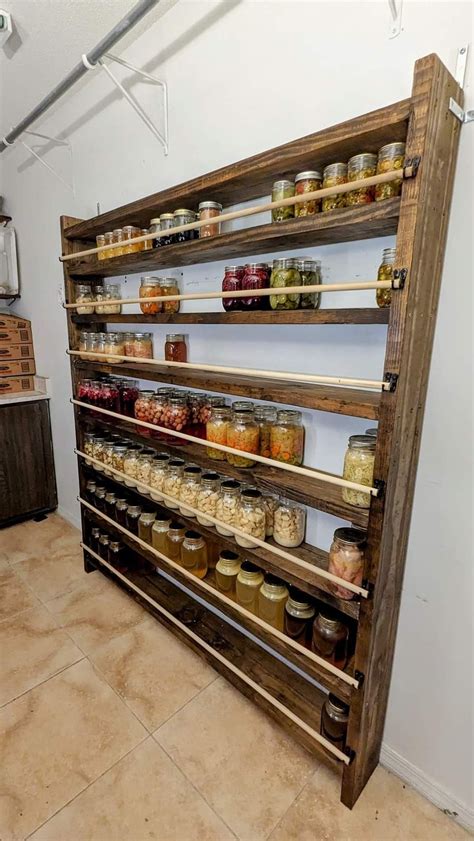
Consider fermentation for breads (sourdough), vegetables (lacto-fermented pickles), or even dairy (yogurt, kefir). This ancient practice not only preserves food but also increases nutrient availability and supports gut health, bringing a deeper, more complex flavor profile to your adapted dishes.

Slow cooking, whether on a stovetop, in a slow cooker, or a wood-fired oven, can transform tougher cuts of meat and hearty vegetables into incredibly tender and flavorful meals, much like how previous generations cooked. This method also allows flavors to meld beautifully over time.
Maintaining the Recipe’s Soul
The biggest challenge in adapting cherished family recipes is often preserving their essence. The goal isn’t to create an entirely new dish, but a healthier, more authentic version of the original. Start with small, incremental changes rather than overhauling everything at once. Test your adaptations, ideally with family members who remember the original, to ensure you’re on the right track.
Focus on what truly makes the recipe special. Is it a particular spice blend? A specific cooking vessel? The method of preparation? Try to keep these core elements intact while adjusting the less essential ingredients. Document your changes carefully so future generations can benefit from your culinary explorations.

Connecting with Your Land and Local Producers
Homemade country living is deeply connected to the land. When adapting recipes, think about what ingredients you can grow yourself or source directly from local farmers. This practice not only provides you with the freshest, most nutrient-dense ingredients but also fosters a sense of community and self-sufficiency.
If a recipe calls for a specific vegetable that isn’t in season, be open to substituting it with something that is. This flexibility is a hallmark of truly adaptable country cooking and ensures your meals are always vibrant and fresh. For example, if a summer soup calls for tomatoes but it’s winter, consider a hearty root vegetable base instead, adjusting seasonings to match.
Adapting old family recipes for real food, homemade country living is a rewarding journey. It’s a blend of honoring the past, embracing healthier choices for the present, and building a sustainable culinary future. With a little creativity and a commitment to quality ingredients and traditional methods, you can ensure your family’s treasured dishes continue to nourish body and soul for generations to come, truly embodying the spirit of wholesome country living.