


How do you authentically share messy real food/garden BTS without losing aesthetic appeal?
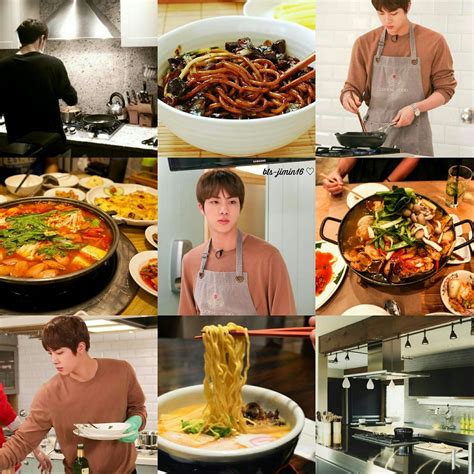
The Authentic Aesthetic: Balancing Rawness and Refinement
Why do we love behind-the-scenes content? It’s because it offers a glimpse into the unfiltered reality, fostering a deeper connection with creators. For food enthusiasts and gardeners, this means showcasing the dirt, the spills, the imperfect harvests, and the chaotic kitchen moments. The challenge, however, lies in presenting these ‘messy’ realities in a way that still resonates aesthetically with an audience accustomed to curated feeds.
Embrace the Process, Not Just the Perfection
The first step is to shift your mindset from hiding the mess to highlighting it as part of the genuine journey. Your audience doesn’t expect every single moment to be picture-perfect. In fact, showing the effort, the occasional flop, or the soil-stained hands can make your content more relatable and trustworthy. This isn’t about glorifying chaos, but rather acknowledging it as an intrinsic part of creation.
Consider framing these moments as teachable points or relatable struggles. Did a recipe go slightly awry? Show the beautiful (or hilarious) mistake and what you learned. Is your garden plot a tangle of vines? Capture the lushness and the hard work it represents. Authenticity builds a stronger bond than unattainable perfection ever could.
Strategic Framing: Composing the Chaos
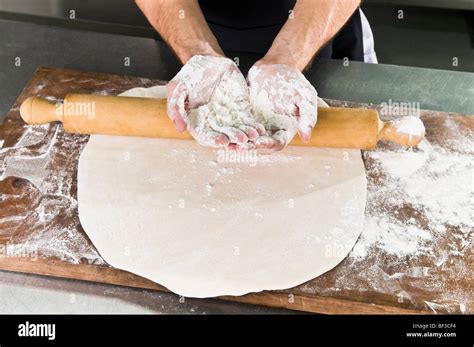
While embracing mess, you don’t have to surrender entirely to it. Strategic framing is your best friend. Instead of showing the entire chaotic scene, focus on a compelling detail. Is there a beautiful tomato amidst the soil? Zoom in. Is a flour cloud a little too much? Capture the effect of the flour, like hands covered in dough, rather than the entire countertop covered in white dust.
Use principles of good photography even with messy subjects: good lighting, rule of thirds, leading lines. Natural light is almost always preferable for food and garden shots. A well-lit mess often looks more appealing and authentic than a poorly lit “perfect” scene. Play with depth of field to blur out overly cluttered backgrounds, directing the viewer’s eye to the key authentic detail.
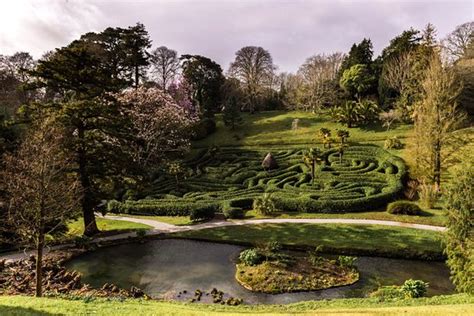
Tell a Story: The Narrative of Naturalness
Every messy moment has a story. What’s happening in that shot? Are you harvesting? Planting? Cooking from scratch? Use captions and accompanying text to explain the context. A picture of a muddy boot might not be inherently aesthetic, but if it’s accompanied by a caption about the satisfaction of a day spent in the garden, it gains immediate appeal and purpose.
Think in terms of a process. A single shot of a messy kitchen might just look like a mess. But a series of shots showing the progression – from fresh ingredients, to the messy prep, to the delicious (and perhaps slightly imperfect) final dish – tells a compelling story. The ‘mess’ becomes a vital chapter in the journey, not just an eyesore.
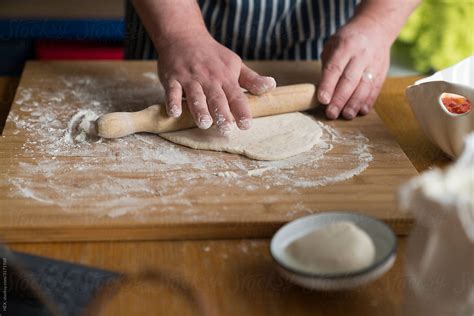
Leverage Light and Focus: Making Mess Beautiful
Even the most genuine, unedited moments can benefit from thoughtful lighting and focus. Bright, diffused natural light can transform an otherwise drab scene into something inviting. Position your subjects near a window or outdoors during the golden hour. Avoid harsh overhead lighting that creates unflattering shadows.
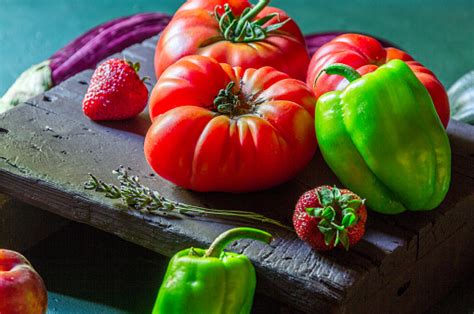
Selective focus is another powerful tool. By blurring the background, you can isolate a specific messy element – like a ripe berry about to be picked, or a perfectly crumbled pie crust – making it the hero of the shot. This technique allows you to hint at the broader, less tidy environment without overwhelming the viewer with visual clutter.
Mindful Presentation, Not Staged Perfection
There’s a fine line between authentic mess and unnecessary clutter. Before snapping your shot, take a moment. Can a stray napkin be moved without losing the authenticity? Can a distracting background element be shifted slightly? This isn’t about staging, but about presenting the genuine moment thoughtfully. A quick wipe of a counter’s immediate foreground doesn’t erase the authenticity of the overall cooking process.
The goal isn’t to create a false reality, but to enhance the visual clarity of the real one. Your audience wants to connect with your journey; make it easy for them to see the beauty in your process, dirt and all.
Conclusion: Your Authentic Story is Your Strongest Asset
Sharing the messy, real behind-the-scenes of your food and garden life doesn’t mean sacrificing aesthetic appeal. It means redefinining what “aesthetic” truly means – broadening it to include the genuine, the relatable, and the raw beauty of creation. By embracing imperfection, employing strategic framing, telling compelling stories, leveraging good light, and making mindful adjustments, you can create content that is both beautifully authentic and deeply engaging. Your real story, shared with thoughtful presentation, is what truly cultivates connection.