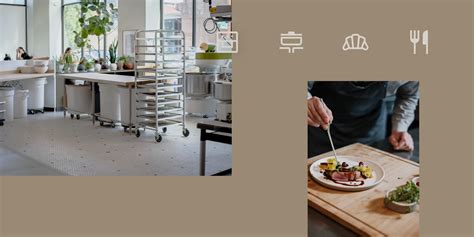





How do you authentically show a messy country kitchen BTS without losing appeal?

The rustic charm of a country kitchen is undeniable, often conjuring images of warmth, homemade meals, and cherished memories. But behind the idyllic facade of styled photoshoots and polished videos lies the reality of a busy, lived-in space: the glorious, authentic mess. For creators looking to share a true behind-the-scenes (BTS) glimpse, the challenge is how to showcase this beautiful chaos without detracting from its inherent appeal.
Embracing the Lived-In Charm
Authenticity is a powerful draw in today’s content landscape. Audiences are increasingly wary of overly polished perfection and crave genuine insights into creative processes and real-life environments. A messy country kitchen, far from being a flaw, can actually be its most endearing feature. It speaks of creativity in action, of meals being made, and of life unfolding. The key is to frame this mess not as disarray, but as evidence of a vibrant, active space.

Strategic Framing and Composition
Showing a messy kitchen doesn’t mean simply panning across every cluttered surface. It’s about strategic framing and thoughtful composition. Instead of wide shots that emphasize overall disorder, focus on tighter shots that highlight pockets of activity. A flour-dusted countertop, a cutting board piled with vegetable scraps, or a well-loved cookbook open to a stained page – these details tell a story without overwhelming the viewer. Use depth of field to draw attention to specific, interesting elements while softening less critical background clutter.
Storytelling Through Objects
Every item in a country kitchen, especially a busy one, holds a story. A worn wooden spoon, a collection of mismatched mugs, or a pile of freshly picked herbs waiting to be processed – these aren’t just objects; they’re props in the ongoing narrative of the space. When filming or photographing, think about what story each element contributes. A splash of tomato sauce on the wall near the stove might suggest a passionate cooking session, while a stack of drying dishes implies recent productivity. The “mess” becomes part of the narrative, inviting viewers to imagine the activity that just took place or is about to begin.
Leveraging Lighting and Warmth
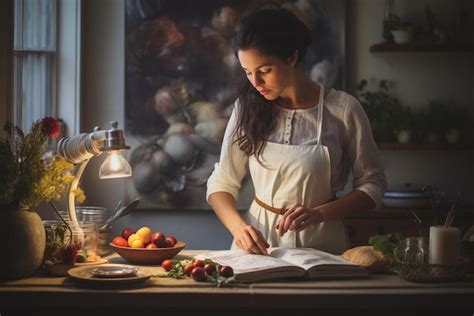
Lighting plays a crucial role in transforming perceived clutter into appealing texture. Natural light streaming through a window can illuminate dust motes dancing in the air, or highlight the rustic patina of well-used surfaces. Warm, inviting lighting can make even a pile of unwashed dishes look less sterile and more ‘lived-in.’ Avoid harsh, direct flashes that can flatten details and expose every speck of dirt. Instead, aim for soft, diffused light that enhances the cozy atmosphere, making the space feel inviting despite its imperfections.

The Art of Curated Chaos
While authenticity is paramount, there’s a subtle distinction between genuine mess and overwhelming chaos. “Curated chaos” involves a gentle nudge towards visual harmony. This doesn’t mean tidying up extensively, but perhaps repositioning a few items to create a more pleasing line, or ensuring key elements aren’t entirely obscured. It’s about finding the beauty within the disarray, ensuring that the viewer’s eye is still guided to what’s important rather than being lost in a sea of items. Think of it as showcasing the glorious aftermath of creation, rather than just random clutter.
Adding the Human Element
A messy kitchen often looks best when it’s clear someone is actively using it. Including hands kneading dough, a person stirring a pot, or even just a well-worn apron hanging on a hook can instantly bring the scene to life. The presence of a human element grounds the mess in purpose and activity, transforming it from something static and messy into a dynamic, functional space. This connection reinforces the idea that the kitchen is a heart of the home, not just a set piece.
Conclusion: Celebrating Imperfection
Ultimately, showing a messy country kitchen BTS without losing appeal is about reframing perception. It’s a celebration of imperfection, a nod to the creative process, and an invitation for the audience to feel more connected to the realness of your world. By using strategic framing, storytelling, warm lighting, and a touch of curated chaos, you can transform what might seem like a drawback into a powerful asset, proving that authentic, lived-in beauty is often far more captivating than polished perfection.