
How do you balance daily homestead chores, real food prep, & regular story content?
The Tripartite Challenge of Modern Homesteading
For many aspiring and established homesteaders who also share their journey online, the question isn’t just about doing the work, but about fitting it all into a single day. The demanding rhythms of homestead chores, the commitment to preparing real, wholesome food from scratch, and the continuous need to produce engaging story content can feel like three full-time jobs. Yet, it’s a balancing act many successfully navigate. The key lies in strategic planning, ruthless prioritization, and embracing flexibility.
Mastering the Rhythm of Daily Homestead Chores
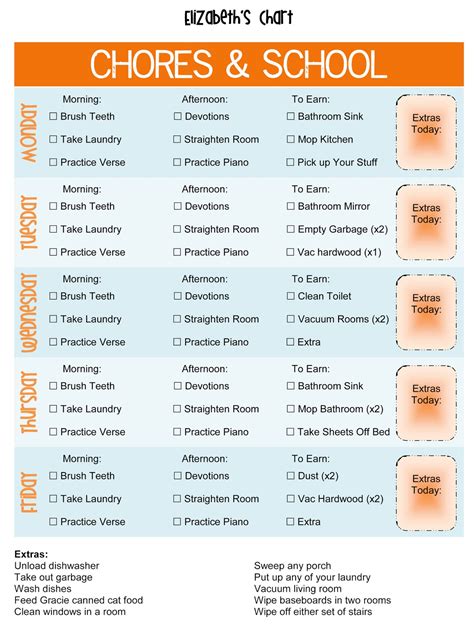
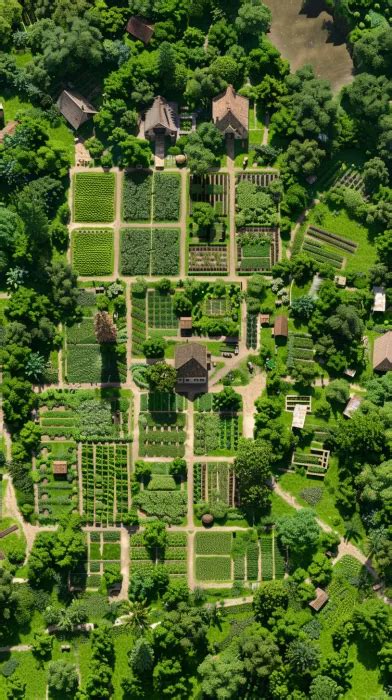
Homestead chores are non-negotiable and often dictate the day’s structure. Animals need feeding, gardens need tending, and repairs are ever-present. Establishing a consistent daily routine is paramount. Mornings typically begin with animal care – feeding, watering, checking health, and collecting eggs. This is followed by garden walks for harvesting or pest inspection. Batching similar tasks, like weeding a specific bed thoroughly once a week instead of daily, can save time.
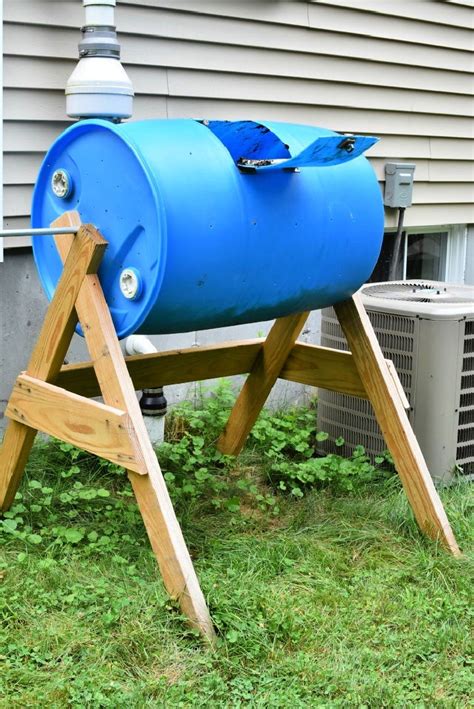
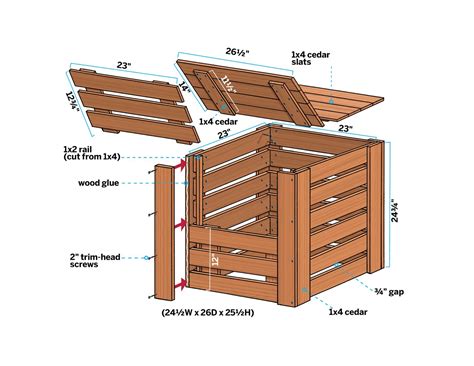
Efficiency comes from having the right tools in the right place and creating systems. For instance, composting animal bedding directly in garden beds, or setting up automated watering systems where feasible, can reduce manual labor. Understanding seasonal demands also helps in planning: spring is for planting, summer for maintenance, autumn for harvest and preservation, and winter for planning and repairs.
Nourishing Body and Soul: The Real Food Prep Commitment
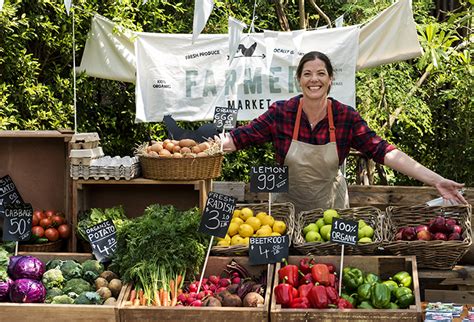
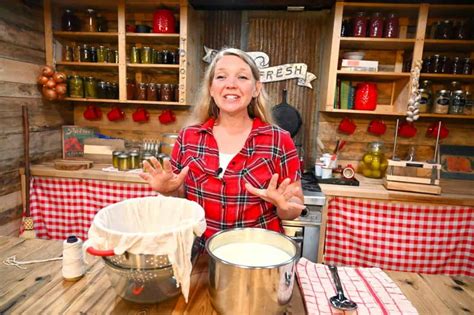
Eating real, homemade food is often a core value of homesteading, but it’s also incredibly time-consuming. From baking bread and fermenting vegetables to cooking meals from scratch using homegrown produce and ethically raised meats, this commitment can easily fill hours daily. The strategy here shifts from daily individual efforts to batch working and preservation.
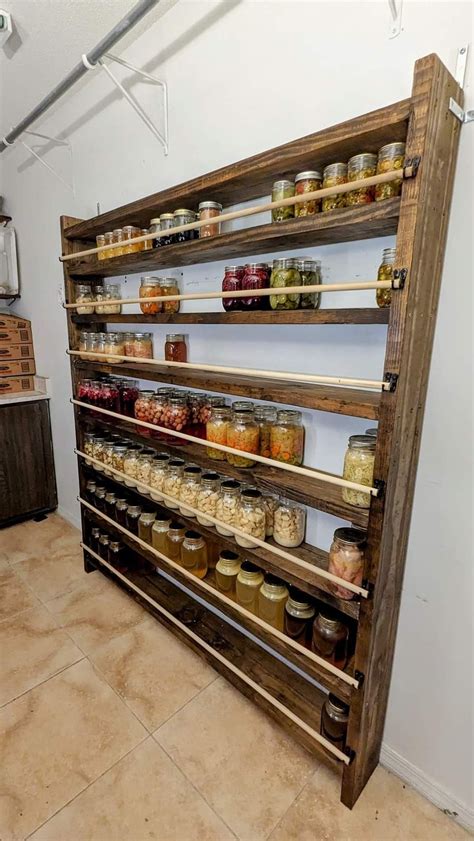
Designate specific days for major food prep. Perhaps Sundays are for baking multiple loaves of bread, chopping vegetables for the week, and cooking a large batch of grains or beans. Freezing pre-portioned meals, canning excess produce, or dehydrating herbs are all forms of food preservation that reduce daily cooking demands later on. Meal planning becomes your best friend, allowing you to utilize ingredients efficiently and avoid last-minute culinary scrambling.
Crafting Compelling Narratives: Regular Story Content
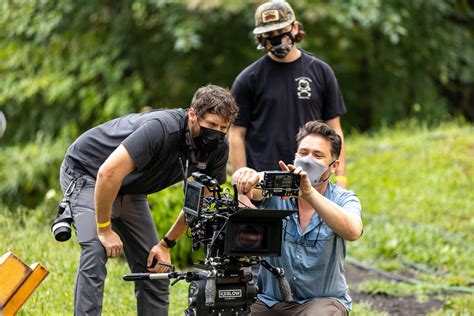
Creating content – whether it’s blog posts, YouTube videos, Instagram stories, or podcasts – demands a different kind of energy: creative and technical. This often requires dedicated time for filming, editing, writing scripts, and engaging with your audience. The trick is to integrate content creation seamlessly into your homestead life rather than treating it as a separate chore.
Always have your camera ready to capture authentic moments as they happen. A quick morning chore can become a short, engaging story. Batch your content creation: dedicate one afternoon a week to editing videos or writing blog posts. Plan your content calendar around seasonal homesteading activities, turning your daily life into your primary source of inspiration. This organic approach makes content creation less of a burden and more of a natural extension of your lifestyle.
The Art of Integration: Weaving it All Together
The true secret to balancing these three demands lies in their integration. Look for opportunities where tasks can overlap. Can you narrate an Instagram story while collecting eggs? Can you listen to an educational podcast about gardening while weeding? Can you film a recipe video while batch cooking for the week?
Time blocking is an invaluable tool. Dedicate specific blocks of time each day or week to each category, but remain flexible. Understand that some days will be heavily chore-focused, others food-prep intensive, and some reserved for content creation sprints. Prioritize ruthlessly: what must get done today? What can wait? What can be delegated or simplified?
Also, don’t underestimate the power of self-care and knowing your limits. Burnout is a real threat when juggling so much. Schedule breaks, enjoy your homestead, and allow for imperfection. Not every meal needs to be gourmet, and not every piece of content needs to be viral.
A Mindset for Sustainable Balance
Ultimately, balancing daily homestead chores, real food prep, and regular story content is less about finding a perfect formula and more about cultivating a sustainable mindset. It’s about embracing the journey, finding joy in the small accomplishments, and being honest with your audience about the realities and challenges. Your authenticity is your greatest asset, and sharing the unfiltered truth of your balancing act can be some of your most compelling content.
Remember, it’s a marathon, not a sprint. Experiment with different routines, learn what works best for you and your unique homestead, and constantly adapt. The balance might shift daily, but with intention and strategic effort, you can thrive in all three areas.