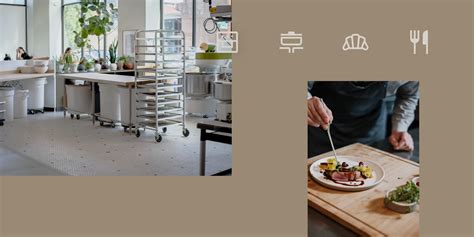





How do you capture genuine kitchen stories while managing the real-food mess?
The allure of genuine kitchen stories is undeniable. Viewers crave the raw, unfiltered experience of food being prepared – the sizzle, the chop, the occasional splutter. But anyone who’s ever cooked a real meal knows that authenticity often comes with a hefty side of mess. Flour dusts every surface, sauces spill, and ingredients sprawl. So, how do you capture that coveted authenticity without your content looking like a disaster zone?
Embrace the Controlled Chaos
The first step isn’t to eliminate the mess, but to manage it. Real kitchens are active spaces, and trying to keep them sterile during a shoot often stifles the genuine moments you’re trying to capture. Instead, plan your shots to highlight the beautiful chaos. Before you even hit record, consider your “mise en place” – everything in its place. While traditional mise en place aims for tidiness, yours can be a thoughtfully arranged “working mess.” Think about what needs to be in frame and what can be discreetly out of shot.

Keep a clear distinction between active cooking zones and filming zones. Perhaps one counter is dedicated to chopping and prep, while another, just slightly cleaner, is for final plating or close-up action shots. A quick wipe-down between stages can make a huge difference without making the scene feel artificial.
The Art of the Quick Clean-Up
This is where speed and efficiency come into play. Have a dedicated “mess kit” within arm’s reach: a roll of paper towels, a spray bottle of water and vinegar, a small dustpan and brush, and a bin. As soon as a messy step is complete, and you’ve got your shot, perform a lightning-fast clean-up of the immediate area. This isn’t about scrubbing the entire kitchen, but tidying the specific corner that will be in the next frame. A crumpled tea towel, a stray crumb, or a smear of sauce can add character, but a general unkempt background can detract from your story.
Think about shot composition – often, you only need a small, focused area to be pristine, allowing the wider kitchen to tell its own story of delicious activity.
Lighting and Angles: Friends of Authenticity
Natural light is your best friend when trying to convey authenticity. It softens harsh realities and makes food look more inviting. Position your cooking area near a window if possible. If not, diffuse artificial lights to mimic natural daylight. When it comes to angles, get in close. Macro shots of ingredients being chopped, dough being kneaded, or sauce simmering can highlight the textural beauty and process, often cropping out the surrounding mess.

Don’t be afraid of dynamic shots either – a pan searing, steam rising, or hands actively working. These active elements are inherently engaging and often distract from any minor imperfections in the background.
Storytelling Beyond the Plate
Genuine kitchen stories aren’t just about the final dish; they’re about the journey, the hands that prepare it, and the love poured into it. Focus on capturing the human element. Show the chef’s hands, their expressions, the way they interact with ingredients. These moments are rich with emotion and connection, drawing the viewer in and making them forget about a rogue flour patch.
Interview segments, voice-overs, or simple candid shots of people enjoying the food after preparation can also elevate the narrative. These elements provide context and emotional depth, reinforcing the “story” aspect over just a cooking demonstration.
Post-Production Prowess
Finally, remember that much of the magic happens in post-production. Strategic cropping can eliminate distracting elements. Color grading can enhance the warmth and appeal of your food. Thoughtful editing can cut out the most egregious messes or the lengthy clean-up moments, leaving only the engaging parts for your audience.

Embrace slight imperfections – a few crumbs on the counter, a splatter on the stove – as these are part of the real kitchen experience. The goal isn’t sterile perfection, but compelling, delicious authenticity. By planning, managing, and focusing on the narrative, you can master the beautiful art of genuine kitchen storytelling, mess and all.