

How do you ensure your real food BTS showcases authenticity without looking messy?

The Art of Clean Authenticity in Food BTS
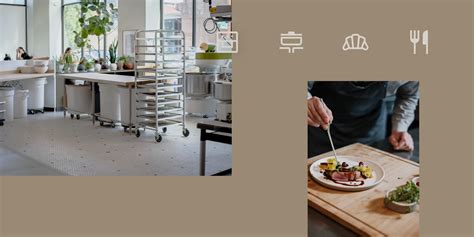
Creating compelling real food behind-the-scenes (BTS) content is a delicate balancing act. On one hand, viewers crave the genuine, unfiltered glimpse into the culinary process – the flour dust, the chopped vegetables, the earnest effort. This authenticity builds trust and connection. On the other hand, an uncontrolled mess can quickly detract from professionalism, making your content appear unappetizing or chaotic rather than charmingly real. The challenge lies in showcasing the true spirit of creation without sacrificing visual appeal. So, how do you navigate this delicious dilemma?
Why Authenticity Matters in Food Content
In an age of highly polished, often unattainable imagery, viewers are increasingly drawn to content that feels real. Authentic BTS footage humanizes your brand, demonstrates skill, and demystifies the creative process. It shows the hard work, passion, and occasional imperfections that go into crafting beautiful food, fostering a deeper connection with your audience. This transparency can transform passive viewers into engaged followers who appreciate the journey as much as the final product.

The Pitfalls of a Disorganized Set
While authenticity is key, a truly messy or disorganized BTS can backfire. Clutter, stray ingredients, dirty utensils, or unkempt surfaces can distract viewers from your main subject – the food and the creative process itself. Instead of conveying a bustling, creative environment, it might communicate sloppiness or a lack of attention to detail, which can be off-putting, especially in the context of food. The goal is to convey controlled chaos, not genuine disarray.
Strategic Planning: The Foundation of Clean Authenticity
The secret to a neat-yet-real BTS begins long before the camera starts rolling. Implement a rigorous ‘mise en place’ not just for cooking, but for your filming process. This involves:
- Pre-prepping ingredients: Have everything measured, chopped, and ready in uniform containers.
- Organizing your workspace: Dedicate specific areas for prep, cooking, and staging. Keep essential tools within reach but store non-essential items out of sight.
- Defining your narrative: What story do you want this BTS to tell? Focusing on key actions and moments will help you avoid extraneous shots of clutter.

Composition and Framing: Curating the Chaos
Once you start shooting, your camera work becomes paramount. Use smart composition and framing techniques to highlight the authentic action while minimizing distracting elements:
- Tight shots: Focus on hands, ingredients, and key actions. This naturally crops out background clutter.
- Shallow depth of field: Blur out the background to draw attention to your subject, effectively softening any minor disarray.
- Clean edges: Constantly check the edges of your frame. A stray napkin or forgotten spoon can easily be moved out of shot.
- Strategic angles: Shoot from angles that emphasize the appealing aspects of the cooking process, like steam rising or a sprinkle of herbs, rather than a wide shot of the entire workstation.
Embracing ‘Working Mess’ Without Being Messy
There’s a fine line between a natural ‘working mess’ and an outright messy scene. A dusting of flour on the countertop, a few herb clippings, or a slight splatter of sauce on a cutting board can add character and authenticity. These are visual cues that work is being done. The trick is to keep these elements contained and purposeful, ensuring they don’t dominate the frame or appear accidental. Periodically pause to tidy up significant clutter between shots, especially if transitioning to a new stage of the cooking process.
The Power of Good Lighting and Styling
Even an authentically busy scene can look appealing with the right lighting. Natural, soft light can make ingredients glow and textures pop, elevating the entire visual. Similarly, strategic micro-styling – like wiping down a cutting board, arranging a few key ingredients artfully, or presenting a ‘work-in-progress’ dish beautifully – can transform a potentially messy moment into a visually engaging one. Think about the colors and textures in your frame and how they interact.
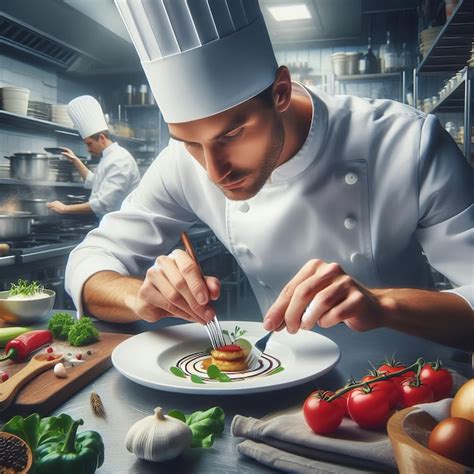
Post-Production Polish: Enhancing, Not Hiding
Finally, don’t underestimate the role of post-production. While you shouldn’t rely on it to fix a fundamentally messy shot, it can refine and enhance your authentic content. Minor adjustments like cropping out a distracting corner, subtle color grading to make the food look even more vibrant, or sequencing shots thoughtfully can elevate the final piece. Editing allows you to tell a clean, compelling story, guiding the viewer’s eye and maintaining engagement without losing the raw appeal.
Conclusion
Achieving authentic yet appealing real food BTS content requires a thoughtful approach that blends meticulous planning, smart shooting techniques, and a discerning eye. By embracing the ‘controlled chaos’ of a working kitchen, focusing on compelling composition, and utilizing strategic tidying, you can create engaging content that resonates with your audience, builds trust, and beautifully showcases the genuine effort behind every delicious creation.