




How do you find and prepare local, seasonal food during rural travel?

Embracing the Culinary Heart of Rural Journeys
Rural travel offers a unique opportunity to connect with the land, its people, and most deliciously, its food. Moving beyond tourist traps, finding and preparing local, seasonal ingredients transforms a trip into an immersive culinary adventure. This guide will help you unearth the freshest produce and create memorable meals that truly reflect the spirit of your destination.
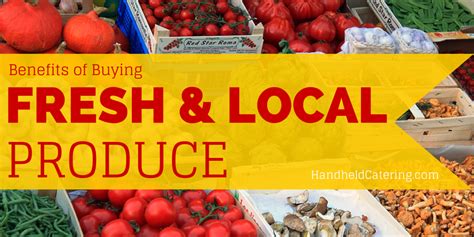
The Art of Finding Local & Seasonal Fare
Sourcing local ingredients is an adventure in itself. Start by actively seeking out places where farmers and producers sell directly to the consumer. This not only guarantees freshness but also puts money directly into the local economy.
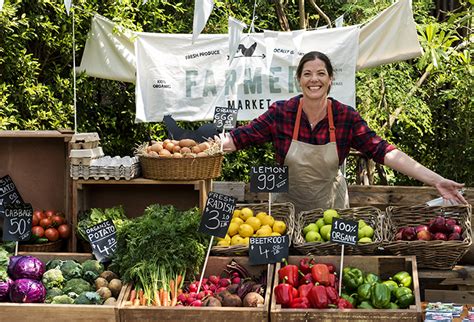
- Farmers’ Markets: The quintessential starting point. Look up market days and locations in advance. They’re vibrant hubs of local life and the best place to find seasonal fruits, vegetables, cheeses, meats, and baked goods.
- Roadside Stands & Farm Gates: Keep an eye out for homemade signs advertising “fresh eggs,” “honey,” or “berries.” These often lead to small, family-run operations with incredibly fresh offerings.
- Local Grocers & Delis: Even small village shops often prioritize local suppliers. Don’t be shy to ask shopkeepers about their regional specialties.
- Ask the Locals: Whether it’s your Airbnb host, a cafe owner, or someone you meet at a local pub, locals are your best resource for hidden gems and what’s currently in season. They might even point you to a U-pick farm or a secret berry patch.
- Restaurants with a “Farm-to-Table” Ethos: While you’re preparing some meals yourself, dining at establishments committed to local sourcing can provide inspiration and introduce you to regional culinary traditions.

Understanding Seasonality
Seasonality is key to truly local eating. What’s abundant in one region during spring might be completely different elsewhere. A quick online search for “[Region Name] seasonal produce calendar” can be very helpful. Alternatively, simply visiting a farmers’ market will immediately show you what’s in season and at its peak freshness. Embracing seasonality means being open to what the land offers, rather than sticking to a predetermined grocery list.
Preparing Your Local Harvest
Once you’ve gathered your bounty, the next step is to transform it into delicious meals. This requires a bit of planning, especially regarding your accommodation and equipment.
Accommodation Matters: Opt for stays with kitchenettes or full kitchens. Many Airbnb, VRBO, or guesthouse options in rural areas come equipped with basic cooking facilities, making it ideal for self-catering.

Simple Meal Ideas for Rural Travel:
- Fresh Salads: Combine seasonal greens, tomatoes, cucumbers, and a local cheese with a simple vinaigrette. Add grilled chicken or fish if available.
- Hearty Sandwiches/Wraps: Use fresh bread from a local bakery, seasonal vegetables, and perhaps some local deli meats or a farm-fresh egg salad.
- Simple Pasta Dishes: Sauté seasonal vegetables (zucchini, bell peppers, asparagus) with garlic and herbs, then toss with pasta and a sprinkle of local parmesan or feta.
- Grilled Delights: If your accommodation has a grill, local sausages, fish, or vegetable skewers are easy and delicious.
- One-Pan Roasts: Potatoes, carrots, onions, and any other root vegetables, combined with herbs and a protein, can be roasted together for a minimal-effort, maximum-flavor meal.

Essential Travel Cooking Kit (Minimalist Approach):
- Sharp Knife & Small Cutting Board: Indispensable for preparation.
- Small Pot & Pan: For boiling pasta, sautéing, or making simple sauces.
- Basic Seasonings: Salt, pepper, olive oil. You can often find local herbs to add flair.
- Reusable Shopping Bags: For market trips.
The Rewards of Culinary Immersion
Engaging with local food goes beyond just eating; it’s a profound way to understand a region’s culture, traditions, and agricultural rhythms. You’ll not only enjoy incredibly fresh, flavorful meals but also support local economies, reduce your environmental footprint, and create unique, authentic memories that last long after your journey ends.

So next time you venture into the countryside, embrace the adventure of finding and preparing your own local, seasonal feast. Your taste buds, and the communities you visit, will thank you for it.