How do you frame messy kitchen BTS for real food stories?

Embracing the Unfiltered Reality of a Culinary Space
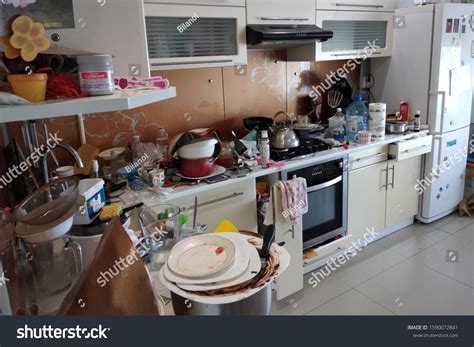
In the polished world of food media, where every dish gleams and every surface sparkles, the reality of a busy kitchen can seem like an inconvenient truth. Yet, behind every perfectly plated meal lies a dynamic, often chaotic, process – a symphony of flour dust, spilled sauces, scattered ingredients, and used utensils. This ‘mess’ is not a flaw; it’s the very heartbeat of real food creation. The challenge for food storytellers is not to hide this behind-the-scenes (BTS) reality, but to frame it compellingly, turning the honest grit into an authentic narrative.
Why bother showcasing the untidiness? Because authenticity resonates. In an era saturated with highly curated content, viewers crave genuine connections and relatable experiences. Revealing the messy BTS strips away the illusion of effortlessness, highlighting the craft, the passion, and the human element involved in bringing food to life. It builds trust, making the final product seem more accessible and the entire culinary journey more engaging.
Strategic Framing: Turning Chaos into Art
The art of framing messy kitchen BTS lies in intentionality. It’s not about simply pointing a camera at the grime; it’s about making deliberate choices that tell a story without detracting from the food itself.
Highlighting Key Elements with Focus and Depth
One of the most effective techniques is to use shallow depth of field. By focusing sharply on a specific action – a chef’s hands kneading dough, a whisk blurring into motion, or a perfectly seasoned pan – you can subtly blur the surrounding clutter. This draws the viewer’s eye to the essence of the moment, implying the activity and tools without explicitly showcasing every smudge. Consider strategic cropping as well; sometimes, a tight shot on a cutting board with vegetable scraps tells a more intimate story than a wide shot of an entire disheveled counter.
The Power of Light and Shadow
Lighting can be your greatest ally. Instead of harsh, revealing light, consider softer, more directional illumination. Natural light streaming through a window can create beautiful highlights and shadows, adding mood and dimension to an otherwise ordinary scene. Use backlighting to emphasize steam rising from a pot, or side lighting to highlight the texture of flour on a chef’s apron. Shadows can also be used to obscure less appealing areas, guiding the eye towards the more picturesque aspects of the mess.
Composition and Narrative: Weaving a Visual Story
Think beyond static shots. Messy kitchens are dynamic environments. Incorporate movement, action, and the story of transformation. A dusting of flour on a dark countertop or a splash of sauce against a white tile can become intriguing textural elements when composed thoughtfully.
Action-Oriented Shots and Human Touch
Show the process. A hand reaching for an ingredient amidst a sea of others, a knife mid-chop, or the intense gaze of a cook concentrating on their task. These human elements bring warmth and relatability to the chaos. The ‘mess’ then becomes evidence of hard work, creativity, and the passionate pursuit of flavor. Use leading lines created by scattered utensils or ingredient trails to guide the viewer’s eye through the frame, hinting at the journey of the food.
Contextualizing the Clutter
Sometimes, the mess isn’t just aesthetic; it’s integral to the narrative. Explain why certain areas might be chaotic – a baking spree, a recipe development session, or the peak rush of service. A quick caption or a voiceover in a video can transform perceived sloppiness into evidence of intense creative activity or efficiency under pressure. This contextualization transforms the visual into a deeper understanding of the culinary craft.
Striking the Balance: Authenticity Without Distraction
While embracing the mess, there’s a fine line between authentic reality and visual distraction. The goal is to show the genuine process without making the final food story unappetizing or overwhelming. A strategic quick tidy-up before a specific shot might be necessary, not to fake reality, but to ensure that the visual noise doesn’t overpower the main subject. Focus on moments that illustrate effort and passion, rather than just general disorder.
Ultimately, framing messy kitchen BTS for real food stories is about intention. It’s about seeing the beauty in the process, understanding the narrative power of authenticity, and employing visual techniques to tell a more complete, relatable, and ultimately richer story of food. By embracing the chaos, we elevate the craft and deepen the connection with our audience.