



How do you get kids involved in homestead chores & real food prep?
Cultivating Connection: Why Involve Kids in Homesteading?
Homesteading and real food preparation offer a unique classroom right within your home and yard. Engaging children in these activities isn’t just about getting an extra pair of hands; it’s about nurturing invaluable life skills, fostering a deep connection to nature and food, and building resilient, responsible individuals. From understanding where their food comes from to learning the satisfaction of a job well done, involving kids transforms everyday tasks into profound learning experiences.
Many parents wonder how to effectively integrate children into the often demanding work of homesteading without it feeling like a burden. The key lies in making it age-appropriate, engaging, and a shared family adventure rather than a solitary obligation.
Making Chores Age-Appropriate and Engaging
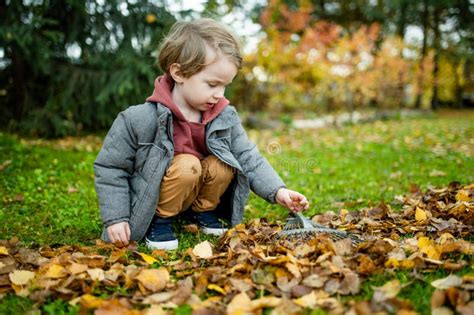
Toddlers and Preschoolers: The Joy of Discovery
Even the youngest members of the family can participate. For toddlers and preschoolers, the focus should be on sensory exploration and simple, supervised tasks. Think about the joy of discovery:
- Garden: Watering plants with a small can, picking ripe berries, digging in the soil, helping to plant large seeds (like beans or pumpkins).
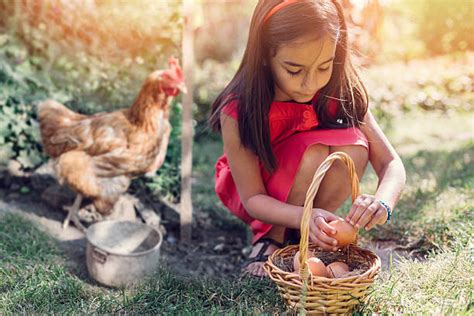
- Animals: Filling a small bowl for chickens (under supervision), petting friendly animals, collecting eggs from an easy-to-reach nesting box.
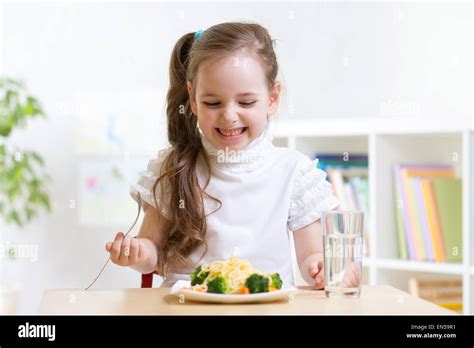
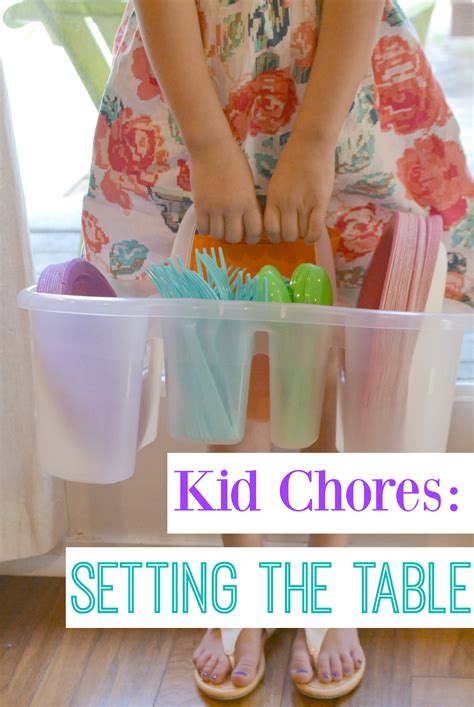
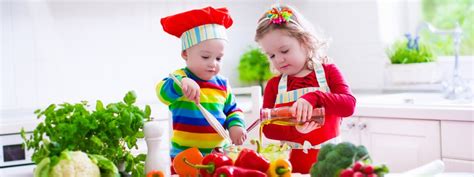
- Kitchen: Washing vegetables, stirring ingredients in a bowl, kneading dough, helping to set the table, tearing lettuce for salad.
Patience is paramount here. Tasks will take longer, and there will be messes, but the memories and learning opportunities are priceless.
Elementary Schoolers: Building Skills and Responsibility
As children grow, their capabilities expand, and so can their responsibilities. Elementary schoolers are ready for more structured tasks and can begin to understand the “why” behind the chores.
- Garden: Planting seeds, weeding specific areas, harvesting vegetables, composting, helping with succession planting.
- Animals: Feeding and watering animals independently, cleaning coops or pens, helping with basic animal health checks.
- Kitchen: Measuring ingredients, simple chopping (with child-safe knives and supervision), baking bread, preparing simple meals, packing lunches, basic food preservation tasks like snapping beans or shucking corn.
Tweens and Teens: Ownership and Mastery
By the tween and teen years, children can take on significant responsibility and even leadership roles. This is when they can truly become partners in the homesteading journey.
- Garden: Planning garden beds, managing pest control, constructing simple garden structures, seed saving, soil testing, crop rotation.
- Animals: Managing feeding schedules, assisting with breeding, animal health record-keeping, building or repairing animal housing.
- Kitchen: Meal planning, cooking complex recipes, canning, dehydrating, fermenting, budgeting for groceries, managing food storage.
Encourage them to take ownership of specific projects or areas, allowing them to problem-solve and make decisions (with guidance, of course).
From Garden to Table: Empowering Kids in Real Food Prep
The journey from growing or raising food to preparing and eating it is perhaps the most impactful lesson. Involving kids in real food prep demystifies food and builds healthy eating habits.
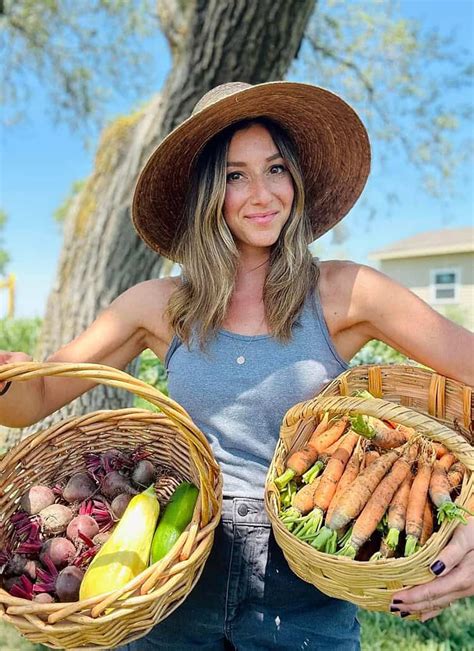
- Hands-On Harvesting and Cleaning: Let them pick ripe tomatoes, pull carrots from the soil, or gather eggs. Then, involve them in washing produce, scrubbing potatoes, or shucking corn. This direct connection makes them more likely to try and appreciate these foods.
- Cooking Together: Teach basic knife skills, how to read a recipe, measure ingredients accurately, and understand cooking terms. Start with simple recipes like scrambled eggs, fruit salad, or homemade pizza. Gradually introduce more complex dishes.
- Food Preservation: Explain why preserving food is important – to prevent waste, save money, and have healthy food year-round. Let them help with tasks like peeling apples for applesauce, stirring jam, or packing vegetables for freezing.
Strategies for Success: Nurturing a Helping Spirit
- Start Small and Be Patient: Don’t overwhelm them. Introduce one new chore at a time and celebrate small victories.
- Lead by Example: Children learn best by observing. If they see you enjoying the work, they’re more likely to participate enthusiastically.
- Make it a Positive Experience: Frame chores as contributions to the family, not punishments. Play music, tell stories, or turn tasks into games.
- Connect Tasks to Outcomes: “We’re watering the garden so we can have delicious tomatoes for dinner.” “We’re kneading the bread so we can enjoy warm, homemade sandwiches.”
- Provide Tools Sized for Them: Child-sized gloves, watering cans, aprons, and garden tools make tasks easier and more enjoyable.
- Praise Effort, Not Just Perfection: Acknowledge their willingness to help and their hard work, even if the result isn’t flawless.
- Offer Choices: Whenever possible, let them choose a chore they’d like to help with, fostering a sense of autonomy.
The Lasting Harvest: Benefits Beyond the To-Do List
Involving kids in homestead chores and real food prep yields a harvest far greater than fresh vegetables or homemade bread. It cultivates resilience, problem-solving skills, and a strong work ethic. It teaches them about delayed gratification, the cycles of nature, and the value of self-sufficiency. Most importantly, it creates shared experiences and strengthens family bonds, embedding a sense of belonging and contribution that will serve them well throughout their lives.
By patiently guiding and involving your children, you’re not just managing a homestead; you’re cultivating capable, confident, and connected individuals who understand and appreciate the true meaning of “home.”