
How do you inspire kids to love homestead chores & enjoy homemade, real food meals?
In a world increasingly disconnected from the origins of food and the value of manual labor, inspiring children to embrace homestead chores and appreciate real food can seem like a monumental task. Yet, it’s a deeply rewarding endeavor that cultivates resilience, responsibility, and a profound understanding of where their sustenance comes from. The key lies in transforming tasks into opportunities for learning, growth, and genuine enjoyment.
Making Chores a Collaborative Adventure
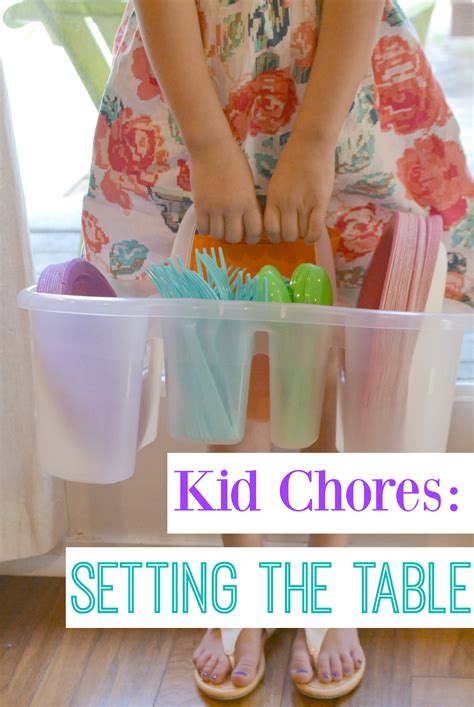
The first step to inspiring enthusiasm for chores is to shift the perception from drudgery to valuable contribution. Involve children from an early age, assigning age-appropriate tasks that genuinely make a difference to the household or homestead. Explain the ‘why’ behind each chore – why we feed the chickens, why we weed the garden, why we wash the dishes. Understanding the purpose fosters a sense of importance and ownership.
Turn chores into games or challenges. Who can collect the most eggs? Can we beat our weeding time from last week? Use positive reinforcement, not just for perfect execution, but for effort and participation. Celebrating small victories, like a neatly stacked pile of wood or a sparkling clean countertop, can build confidence and intrinsic motivation.
From Seed to Supper: Engaging Them in Food Production
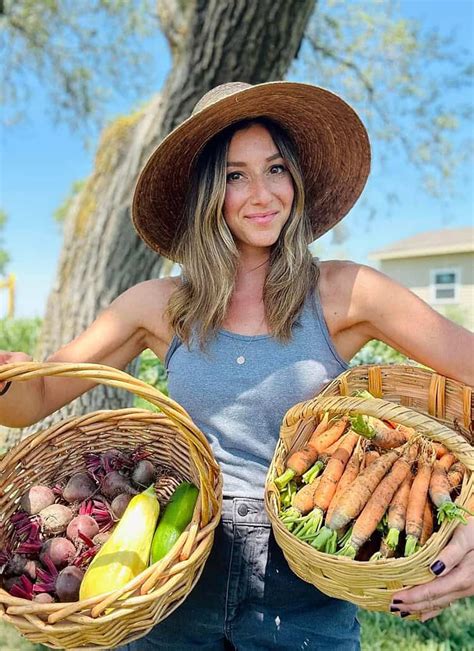
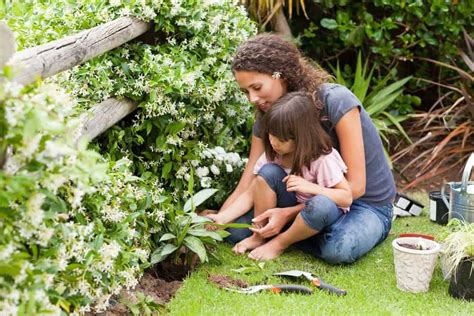
Connecting kids to the entire food journey is paramount for developing an appreciation for real food. If you have a garden, let them choose what to plant, give them their own small plot, or involve them in the entire process from sowing seeds to harvesting. The pride of eating something they personally grew is a powerful motivator.
Beyond the garden, bring them into the kitchen. Kids can wash vegetables, shell peas, stir ingredients, or knead dough. The more involved they are in preparing a meal, the more likely they are to try it and enjoy it. Cooking together isn’t just about food; it’s about life skills, math, chemistry, and cherished family time.
Cultivating a Palate for Real Food
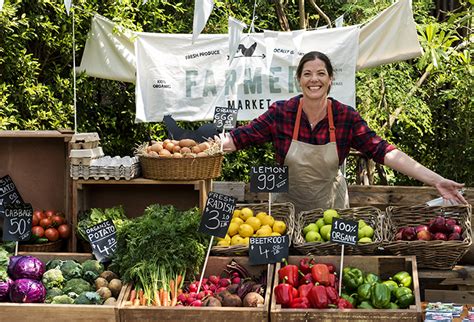
Introducing children to a wide variety of whole, unprocessed foods from an early age is crucial. Talk about where food comes from – not just the grocery store, but the farm, the soil, the animal. Visiting local farms, farmers’ markets, or even watching documentaries can deepen their understanding and connection.
Make real food delicious and exciting. Involve them in choosing recipes, experimenting with herbs from the garden, and presenting meals beautifully. Avoid making unhealthy foods taboo; instead, emphasize the vibrant flavors and nourishing qualities of real ingredients. When kids actively participate in creating a meal, they become invested in tasting the fruits of their labor.

The Power of Patience and Positive Reinforcement
It’s important to remember that developing a love for homestead chores and real food is a journey, not a destination. There will be days of resistance, spilled milk, and uneaten vegetables. Patience is your greatest tool. Acknowledge their efforts, even when the outcome isn’t perfect, and focus on progress over perfection.
Avoid punishment or shame around food and chores. Instead, consistently model the behaviors you wish to see. Celebrate small wins, like trying a new vegetable or completing a chore without prompting. These positive experiences build confidence and foster a long-term, healthy relationship with work and food.
Lead by Example and Build a Lifestyle
Children are master imitators. Your enthusiasm for homesteading, gardening, cooking, and healthy eating will be their greatest inspiration. If they see you enjoying the process, taking pride in your work, and savoring nutritious meals, they are far more likely to adopt similar attitudes.

Ultimately, inspiring kids to love homestead chores and real food isn’t about forcing compliance; it’s about building a lifestyle. It’s about creating a family culture where contributing to the home, growing and preparing food, and connecting with nature are valued and celebrated. By making these activities engaging, educational, and a source of family bonding, you equip your children with invaluable skills, a resilient spirit, and a lifelong appreciation for the abundance of the earth.