How do you involve kids in garden-to-table cooking and homestead chores practically?
Cultivating Responsibility: Why Involve Kids in Garden-to-Table & Homestead Chores?
In an increasingly digital world, connecting children with the natural cycles of food production and the rhythms of home life is more vital than ever. Involving kids in garden-to-table cooking and homestead chores isn’t just about getting tasks done; it’s about nurturing responsibility, teaching practical life skills, fostering an appreciation for nature, and creating lasting family memories. The key is to make these activities accessible, age-appropriate, and enjoyable, transforming chores into meaningful experiences.
Getting Little Hands Dirty: Engaging Kids in the Garden
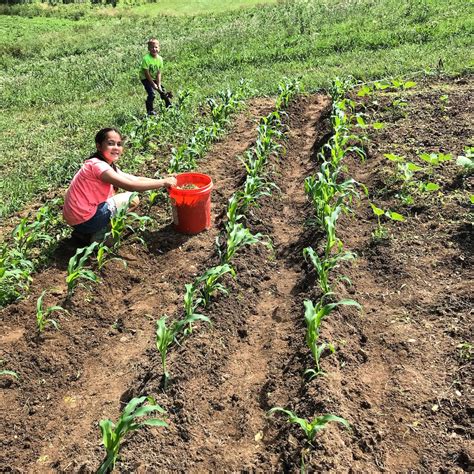
The garden is a natural classroom, offering endless opportunities for learning and discovery. Start small and choose plants that are easy to grow and have a quick payoff to maintain children’s interest. Think radishes, lettuce, snap peas, cherry tomatoes, or sunflowers. Give them their own small plot or even a container where they can plant and care for their chosen seeds.
Age-Appropriate Garden Tasks:
- Toddlers (1-3 years): Watering with a small can, digging in soft soil, picking ripe berries (under supervision), pushing a wheelbarrow.
- Preschoolers (3-5 years): Planting larger seeds, helping to weed, harvesting easy-to-pick vegetables, watering plants consistently.
- School-Aged Kids (6+ years): Planning garden layouts, researching plants, starting seeds indoors, composting, understanding pest control, mulching.
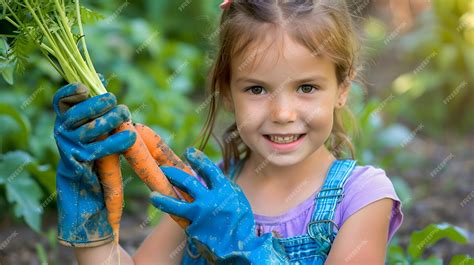
Equip them with kid-sized tools – gloves, trowels, and watering cans – to make them feel like genuine contributors. Celebrate every sprout and every harvest, no matter how small!
From Soil to Supper: Kitchen Adventures
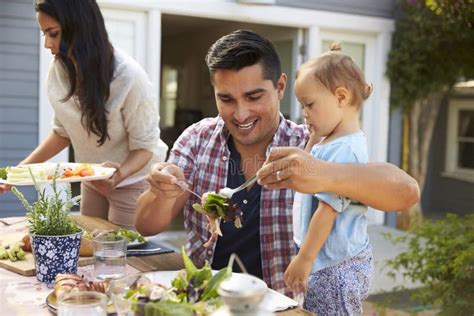
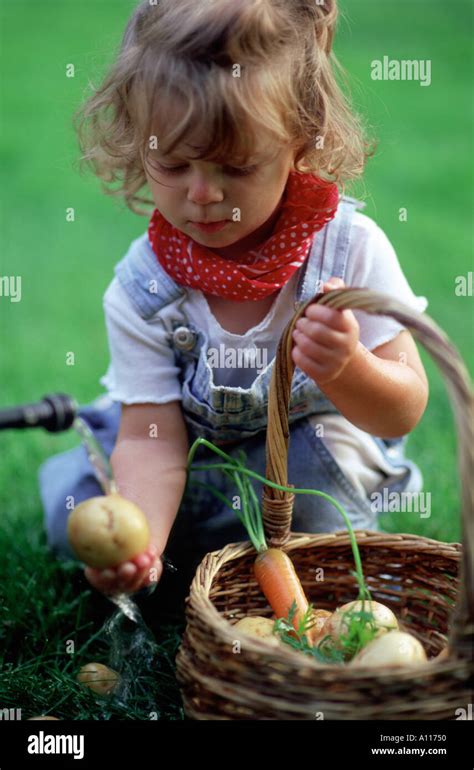
The transition from garden to kitchen is where the magic of “garden-to-table” truly comes alive. Kids are far more likely to try new foods if they’ve had a hand in growing and preparing them. This stage reinforces the journey of food and teaches essential cooking skills.
Practical Kitchen Involvement:
- Washing & Prepping: Even young children can wash freshly picked vegetables and fruits. Older kids can help peel, chop (with supervision and child-safe knives), or tear lettuce for salads.
- Simple Recipes: Focus on recipes that highlight your garden’s bounty. Fresh salads, homemade pesto, fruit tarts, vegetable stir-fries, or even just slicing cucumbers for a snack are great starting points.
- Measuring & Mixing: Let them measure ingredients, stir bowls, knead dough, or assemble ingredients for a meal. Baking is particularly satisfying as it involves precise measurements and tangible results.
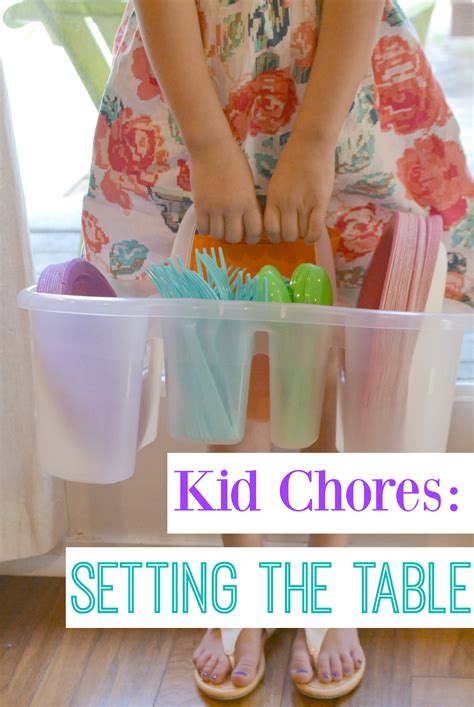
- Setting the Table: Involve them in the final steps of preparing for a meal, understanding the full cycle from garden to family dinner.
Beyond the Beds: Homestead Chores for Every Age
Homesteading encompasses more than just gardening; it involves the upkeep of the entire home and property. These chores teach a broader sense of responsibility and contribute to the family’s self-sufficiency.
Examples of Homestead Chores:
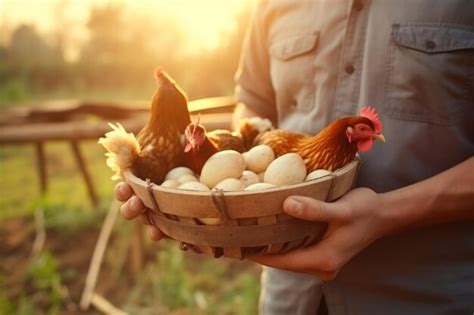
- Animal Care: If you have chickens, children can help collect eggs, refill waterers, or scatter feed. Feeding other pets, grooming, and cleaning pet areas are also valuable tasks.
- Composting: Turning the compost pile or adding kitchen scraps is an excellent way to teach about waste reduction and soil enrichment.
- Yard Work: Raking leaves, weeding flower beds (outside the vegetable patch), sweeping pathways, or helping to gather firewood (if applicable) are all age-appropriate.
- Household Maintenance: General tidying, organizing tools, sweeping floors, or helping with laundry can also be framed as part of homesteading.
Keys to Success: Patience, Play, and Praise
Involving kids isn’t always efficient, but it’s always worthwhile. Embrace a mindset of patience and flexibility. The goal isn’t perfection or speed, but engagement and learning. Make it fun by incorporating games, storytelling, or turning tasks into challenges.
Celebrate their efforts and achievements. Acknowledge their hard work with specific praise (“I appreciate how carefully you watered all the seedlings!”) and let them take pride in the food they’ve grown and the work they’ve accomplished. Eating a meal made with ingredients they’ve helped cultivate is the ultimate reward, reinforcing the entire garden-to-table cycle and their vital role within it.
By consistently inviting children into these practical aspects of family life, you’re not just growing food; you’re cultivating resilient, resourceful, and engaged individuals who understand the value of hard work, healthy eating, and contributing to their home and community.