




How do you involve kids in homestead chores & real food prep for stronger family bonds?

In an increasingly fast-paced world, families often seek meaningful ways to connect and instill valuable life lessons in their children. Homesteading activities and real food preparation offer a unique and effective framework for achieving both. Beyond simply getting tasks done, these shared experiences can cultivate responsibility, teach practical skills, and forge unbreakable bonds within the family unit.
Cultivating Responsibility Through Homestead Chores
Homestead chores provide a hands-on classroom for children of all ages. From tending a small garden plot to feeding backyard chickens, there’s a task for every skill level. Younger children can help with watering plants, gathering eggs, or sorting seeds, while older kids can take on more complex roles like weeding, composting, or even basic fence repairs. These activities connect them to the earth and the source of their food, fostering a sense of stewardship and appreciation.
Involving kids in these tasks teaches them the value of hard work, consistency, and the direct impact of their efforts. They learn that persistence pays off when they see their plants grow or understand the cycle of providing for animals. It’s not just about completing a chore; it’s about understanding their role within a larger system and contributing to the family’s well-being.

Nourishing Bonds in the Kitchen: Real Food Prep
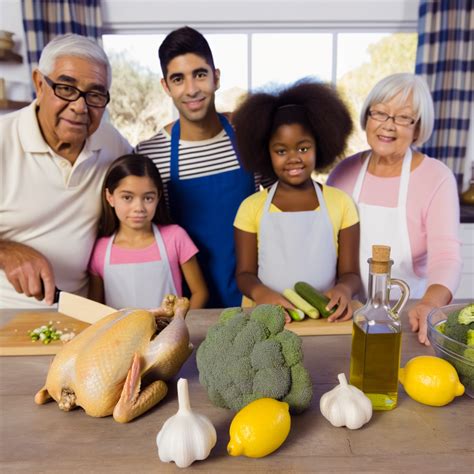
The kitchen is another vital hub for family connection and skill-building. Real food preparation, from scratch, allows children to engage with ingredients in a tactile and sensory way. Start with simple tasks: washing vegetables, tearing lettuce for salads, stirring ingredients, or measuring flour. As they grow, they can progress to chopping, peeling, and eventually following recipes independently.
This involvement goes beyond basic cooking skills; it teaches them about nutrition, where food comes from, and the satisfaction of creating a meal together. When children help prepare a dish, they are often more inclined to eat it, opening up opportunities to discuss healthy eating habits and the benefits of wholesome ingredients. Sharing the process of turning raw ingredients into a delicious meal deepens their understanding and appreciation for the food on their plates.

Beyond the Task: Life Skills and Character Building
The benefits of involving children in homestead chores and food prep extend far beyond the immediate tasks. They are learning crucial life skills that will serve them well into adulthood. Problem-solving becomes second nature as they figure out why a plant isn’t thriving or how to adapt a recipe. Patience is honed while waiting for seeds to sprout or bread to rise.
Furthermore, these activities foster resilience, perseverance, and a strong work ethic. Kids learn to see a project through from start to finish, understanding that some rewards require consistent effort. Working alongside parents also strengthens communication and teamwork, building confidence and a sense of belonging within the family.

Strategies for Success: Making it Enjoyable
To ensure a positive experience, make these activities fun and age-appropriate. Start small, offer choices, and always prioritize patience over perfection. Celebrate their contributions, no matter how minor, with genuine praise and positive reinforcement. Turn tasks into games, tell stories while working, or sing songs to keep spirits high.
Allowing children to have ownership over certain projects, like choosing what vegetables to plant or what recipe to try, significantly boosts their engagement. Remember that the goal isn’t just efficiency, but connection. These moments are opportunities for conversation, laughter, and creating cherished family memories.

Strengthening the Family Fabric
Ultimately, involving kids in homestead chores and real food prep creates a rich tapestry of shared experiences that strengthens family bonds. These aren’t just tasks; they are traditions being built, skills being passed down, and a deeper understanding of sustainable living being fostered. Working together towards common goals, whether harvesting tomatoes or baking bread, instills a powerful sense of unity and shared purpose.
The conversations that happen over weeding a garden bed or kneading dough are invaluable. Children see their parents as guides and partners, not just authority figures. This collaborative environment cultivates mutual respect, trust, and a deep sense of belonging, enriching the entire family’s life.

By intentionally bringing children into the rhythm of homesteading and real food preparation, families can not only achieve practical outcomes but also build a foundation of strong relationships, essential life skills, and a profound connection to the natural world. These shared efforts are an investment in a resilient, connected, and joy-filled family future.