
How do you keep homemade real food fresh for rustic country travels?
Embracing Culinary Adventures on Rustic Roads
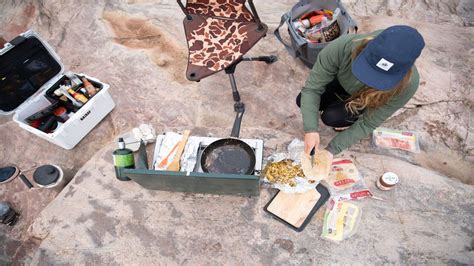
Embarking on a rustic country journey often means leaving urban conveniences behind, and that includes easy access to fresh, wholesome food. While roadside diners have their charm, nothing quite compares to the comfort and nutrition of homemade real food. The challenge, however, lies in keeping those culinary creations fresh and safe throughout your travels. With a little planning and the right techniques, you can ensure your delicious provisions remain palatable and healthy, enhancing your journey with every bite.
Smart Food Choices for Travel Longevity
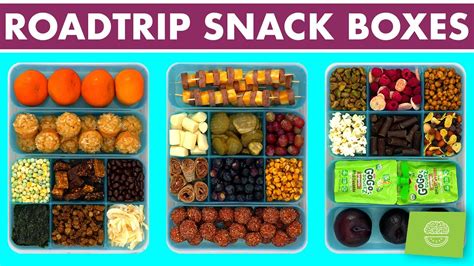
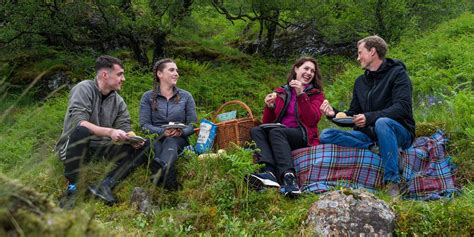
The first step to fresh food on the go is selecting ingredients and dishes that are naturally more resilient. Opt for foods with lower moisture content, as moisture is a primary catalyst for spoilage. Hard-boiled eggs, roasted root vegetables, sturdy sandwiches (think whole-grain bread with roasted chicken or hummus, rather than soggy salads), and dried fruits and nuts are excellent choices. Fully cooked meats, like grilled chicken breasts or beef jerky, are generally safer than raw ingredients. Avoid delicate leafy greens and highly perishable dairy products unless you have superior refrigeration.
- Sturdy Vegetables: Carrots, bell peppers, cucumbers, cherry tomatoes.
- Cooked Proteins: Hard-boiled eggs, cooked chicken/beef, legumes.
- Dry Goods: Nuts, seeds, crackers, homemade granola bars.
- Fruits: Apples, oranges, bananas (consume early), grapes.
Essential Gear for Optimal Freshness
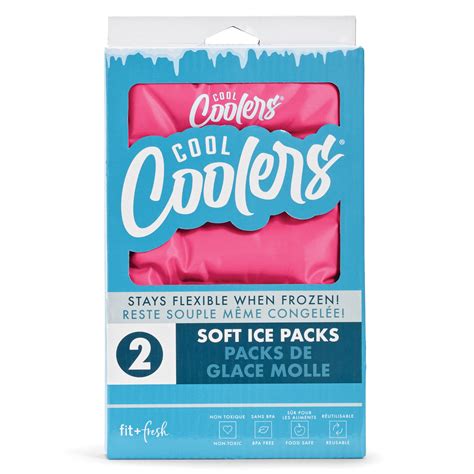
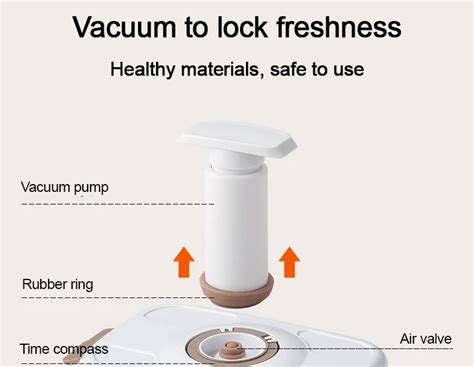
Your packing equipment is just as crucial as your food choices. Invest in high-quality insulated coolers or cooler bags. Hard-sided coolers tend to offer better insulation for longer periods. Fill them with plenty of ice packs or frozen water bottles (which double as drinking water as they melt). For liquid-rich foods, choose leak-proof containers made from durable materials like glass or BPA-free plastic. Consider vacuum sealing for items like cooked meats, cheeses, or marinated vegetables to extend their shelf life significantly and protect them from air exposure.
Separate raw items from cooked items to prevent cross-contamination, and pack food in individual portions to minimize exposure when opening containers. A portable handwashing station (water and soap/sanitizer) is also a wise addition.
Pre-Trip Preparation and Packing Protocols
Preparation begins well before you hit the road. All cooked foods should be thoroughly cooled in the refrigerator before packing. Do not pack warm food into a cooler, as it will raise the internal temperature and melt your ice. Freeze any items you intend to eat later in the trip, such as soups or stews, to act as additional ice packs that gradually thaw. Label all containers with contents and the date they were prepared.
When packing your cooler, place frozen items and ice packs at the bottom, as cold air sinks. Layer perishables on top, with less delicate items on the very top. Pack your cooler as densely as possible to reduce air pockets, which can accelerate warming. For quick snacks, keep a separate small day cooler or bag accessible.

On-the-Road Best Practices for Food Safety
Once you’re on your rustic adventure, maintaining food freshness requires ongoing vigilance. Keep your coolers out of direct sunlight and, if possible, in the coolest part of your vehicle. Avoid opening the cooler more than necessary, as each opening allows warm air to enter. When you do open it, be quick. If you have multiple coolers, designate one for drinks and snacks and another for main meals to reduce frequent access to the most perishable items.
If you plan to reheat food, ensure it reaches an internal temperature of at least 165°F (74°C). Never consume food that looks or smells suspicious, and when in doubt, throw it out. Replenish ice as needed, especially on longer trips or in warmer climates.
Enjoying Your Culinary Journey
Keeping homemade real food fresh for rustic country travels is entirely achievable with careful planning, the right equipment, and smart habits. By focusing on food selection, proper packing, and vigilant on-the-road management, you can savor delicious, healthy meals that nourish your body and enhance your spirit of adventure. Embrace the freedom of dining well, no matter how far off the beaten path you roam.