How do you keep real food fresh for rustic camping or cabin trips?
Embarking on a rustic camping adventure or a cozy cabin retreat often means disconnecting from the grid and embracing simplicity. While freeze-dried meals have their place, many outdoor enthusiasts prefer the satisfaction of cooking and enjoying fresh, wholesome ingredients. The challenge, however, lies in preserving these real foods without the luxuries of a modern refrigerator. With a bit of foresight and the right techniques, you can keep your ingredients fresh and your meals delicious throughout your trip.
Smart Planning: The First Defense Against Spoilage
The journey to fresh food begins long before you pack your bags. Strategic meal planning and preparation are paramount for extending the life of your ingredients.
Meal Prepping and Portioning
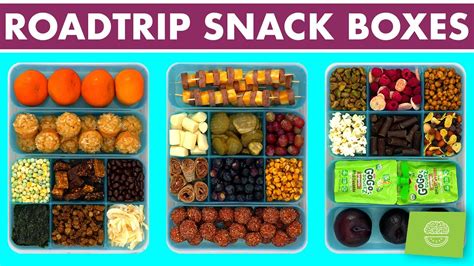
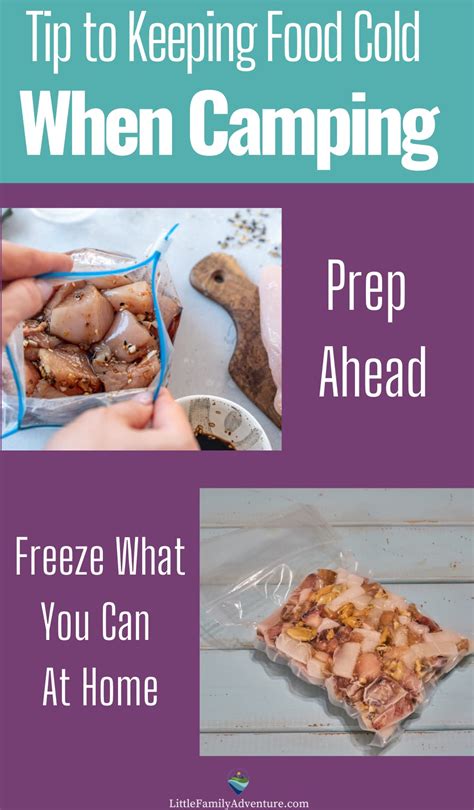
Pre-chopping vegetables, pre-cooking meats, or even assembling complete meal components (like chili bases or stew mixtures) before you leave can significantly reduce spoilage risk and cooking time at your destination. Portion out ingredients into individual meal-sized bags or containers to avoid opening large quantities repeatedly, which exposes food to air and warmth. Freezing pre-cooked meals or meat cuts solid before packing them acts as a prolonged ice pack, gradually thawing over days.
Choosing the Right Foods
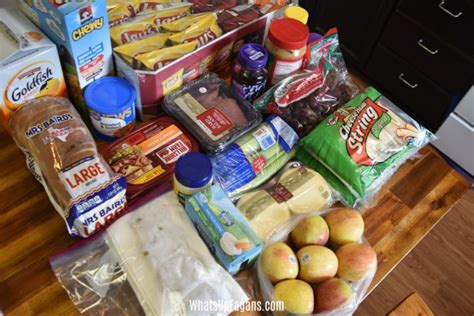
Opt for ingredients known for their longevity. Harder vegetables like carrots, potatoes, onions, and cabbage fare better than leafy greens or delicate berries. Apples, oranges, and unripe avocados are sturdier fruit choices. Hard cheeses, cured meats (like pepperoni or salami), and shelf-stable milk or egg substitutes are excellent alternatives to highly perishable items. Consider vacuum-sealing items to remove oxygen and prolong freshness.

Mastering Cold Storage: The Key to Freshness
Without a refrigerator, your cooler becomes your most valuable asset. Maximizing its efficiency is crucial.
The Ice Chest Advantage
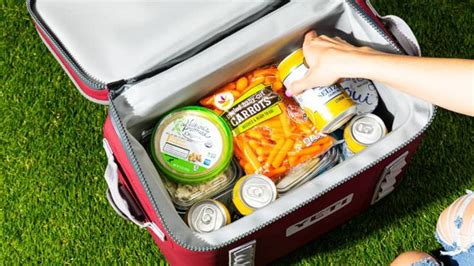
Invest in a high-quality cooler with excellent insulation. Pre-chill your cooler with sacrificial ice or ice packs a day before packing. Use a combination of block ice (lasts longer) and cubed ice (chills faster) or reusable ice packs. Pack the cooler strategically: place items that need to stay coldest at the bottom, surrounded by ice. Keep drinks in a separate cooler if possible to minimize opening your food cooler. Drain melted water as needed, but don’t let it sit and contaminate food unless items are completely waterproof.
Passive Cooling Techniques
Even without ice, nature can offer cooling solutions. Store coolers in the deepest shade possible, preferably on insulating material like a tarp or sleeping pad, to keep them off the warm ground. For some items, particularly root vegetables or fruits, burying them a foot or two underground in a mesh bag can act as a natural root cellar, utilizing the cooler soil temperature. If near a clean, cold stream, some items can be submerged in waterproof, weighted containers, but ensure they are secure and contaminant-free.
Beyond the Cooler: Airtight & Protected Storage
Not everything needs to be on ice. Proper packaging and storage for non-refrigerated items are equally important.
Airtight Containers and Ziploc Bags
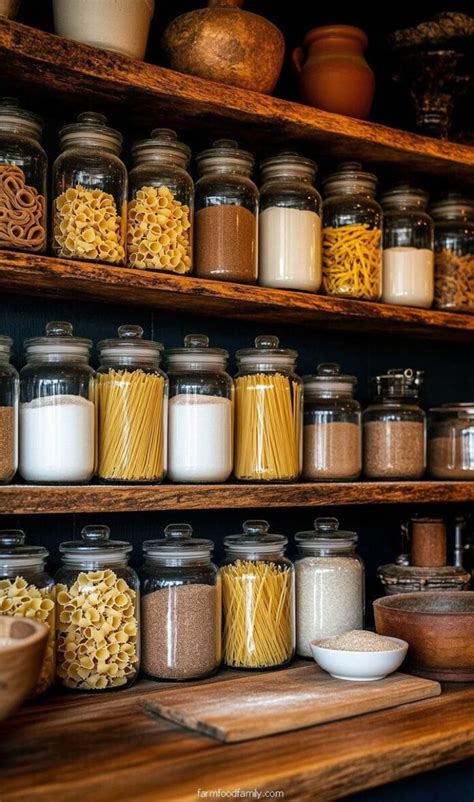
These are indispensable for protecting food from moisture, pests, and ambient air. Use them for dry goods, snacks, and any open packages. They also prevent odors from attracting unwanted wildlife. For items that might release moisture (like cut fruits or vegetables for immediate use), airtight containers are vital to prevent cross-contamination.
Breathable Storage for Produce
Some produce, like onions, garlic, and some fruits (apples, oranges), benefit from airflow. Mesh bags or breathable sacks allow air circulation, preventing moisture buildup that leads to mold and rot. Store these in a cool, dark place, away from direct sunlight.
Waxed Canvas and Beeswax Wraps
These eco-friendly alternatives are excellent for wrapping sandwiches, cheese, or covering bowls. They are breathable yet protective, and their natural properties can help extend the life of certain foods without plastic. They are also reusable and easy to clean.
On-Site Food Management & Hygiene
Maintaining food safety once at your destination is crucial for health and freshness.
Minimize Exposure and Handle with Care
When accessing food, do so quickly and efficiently to prevent items from warming up unnecessarily. Always wash your hands thoroughly before handling food. Use clean utensils and cutting boards for preparation. Avoid letting food sit out uncovered for extended periods, especially in warm weather.
Separate Raw from Cooked
Prevent cross-contamination by keeping raw meats separate from cooked foods and produce. Use separate cutting boards and utensils, or clean them thoroughly between uses. Store raw meat at the bottom of the cooler, in sealed bags, to prevent juices from dripping onto other foods.
Water and Sanitation
Access to clean water is essential for washing hands, produce, and cooking utensils. If potable water isn’t readily available, bring enough bottled water or a reliable water filter. Pack biodegradable soap for dishwashing and ensure all waste is properly disposed of, preferably packed out.
Specific Food Group Tips for Longevity
- Meats and Proteins: Freeze meat solid before packing. Cured meats (salami, jerky) and canned chicken/tuna are excellent non-refrigerated options. Eggs can be pre-cracked into a sealed bottle or simply stored in their carton; they last longer than you might think at cooler ambient temperatures, especially if unwashed (preserving the natural bloom).
- Dairy: Hard cheeses last much longer than soft varieties. Shelf-stable milk (UHT processed) is a good alternative to fresh milk. Butter can be stored in an airtight container in a cooler, or consider clarified butter (ghee) which doesn’t require refrigeration.
- Fruits and Vegetables: Choose sturdy options. Store most vegetables whole until ready to use. Keep fruits and vegetables separate from meat to avoid potential cross-contamination and ethylene gas effects (which can ripen other produce too quickly).
- Bread and Grains: Whole loaves of bread can get moldy quickly. Opt for flatbreads, tortillas, or hard crackers which last longer. Store in airtight containers away from humidity.
Keeping real food fresh on rustic trips is an art form that combines smart planning, practical storage solutions, and diligent hygiene. By investing time in preparation and understanding the unique challenges of your environment, you can enjoy delicious, wholesome meals that fuel your adventures and enhance your connection with nature. Remember, the goal is not just to survive, but to thrive and savor every bite, even far from the nearest grocery store.