How do you make real food BTS engaging, showing the mess but not the stress?

Behind-the-scenes (BTS) content for food production has immense potential to engage audiences, offering a glimpse into the magic before the final plate. The challenge, however, lies in showcasing the raw, often messy reality of culinary creation without broadcasting the inherent stress that accompanies high-stakes cooking or filming. The goal is to cultivate a sense of authenticity and relatability, proving that deliciousness often emerges from a beautiful, organized chaos.
Embracing the Beautiful Mess: The Authenticity Factor
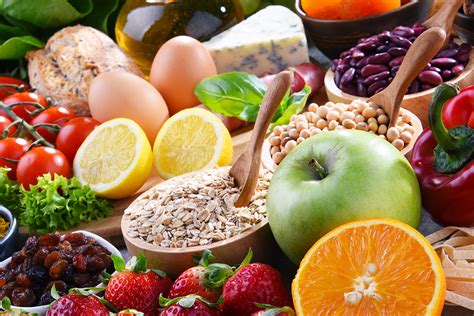
Real food preparation is rarely pristine. Flour dusts every surface, sauces bubble over, vegetables scatter across cutting boards, and hands get gloriously sticky. Instead of trying to hide these elements, lean into them. These are the details that scream “real” and differentiate your content from sterile, overly polished productions. Show close-ups of ingredients being chopped imperfectly, the gentle splatter of a whisk, or the smudged fingerprints on a mixing bowl. This visual honesty builds trust and makes the process feel accessible and human.
Authenticity resonates deeply with viewers. When they see the effort, the raw materials, and the occasional minor mishap, it makes the eventual perfect dish even more impressive. It demystifies the process just enough to inspire, rather than intimidate. Focus on the textures, the colors, and the transformation, allowing the natural disarray to tell a story of genuine creation.
Crafting a Narrative of Passion, Not Pressure
The distinction between “mess” and “stress” is all about narrative framing. While mess is a visual component of authenticity, stress is an emotional one. To avoid broadcasting stress, focus your storytelling on the passion, creativity, and problem-solving inherent in the culinary arts. Interview chefs or creators about their inspiration, their favorite ingredients, or the joy they find in their craft. Use voiceovers that explain the process with enthusiasm, highlighting breakthroughs or interesting techniques rather than time constraints or difficulties.
Carefully selected background music can drastically alter the mood. Opt for upbeat, light, or intriguing tunes that complement the visual activity without suggesting urgency or tension. Swift, dynamic edits can also keep the energy high and the pace engaging, conveying a sense of efficiency and purposeful movement rather than frantic scrambling. Showcase moments of collaboration, shared laughter, and quiet concentration that underscore the positive aspects of the teamwork involved.
Highlighting the Human Touch and Joy in Creation
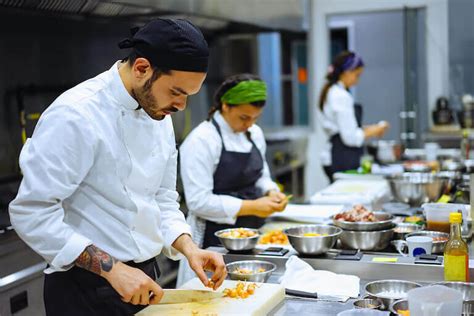
People connect with people. Featuring the individuals behind the food – their expressions, their camaraderie, their sheer enjoyment – is crucial. Candid shots of a chef tasting a sauce and genuinely smiling, a team member offering a helping hand, or a playful moment between colleagues can humanize the entire production. These snippets reveal the heart and soul poured into the food, making the content far more compelling than simply watching ingredients being assembled.
Focus on reactions: the moment a difficult technique is mastered, the first whiff of a perfectly roasted dish, or the collective satisfaction of a completed plating. These moments, captured authentically, speak volumes about the dedication and joy involved. By prioritizing these positive human interactions, you naturally downplay any underlying stress, portraying the “mess” as a vibrant part of a fulfilling creative journey.

Strategic Filming and Post-Production Magic
The key to “mess, not stress” often lies in smart planning and meticulous editing. During filming, identify moments that are visually rich and tell a story without needing overt commentary. Time-lapses are an excellent tool for showing the progression of a complex task, like kneading dough or decorating a cake, transforming tedious repetition into a fascinating visual sequence that implies efficiency rather than tedium.
In post-production, this becomes even more critical. Ruthlessly cut out any footage that even subtly hints at frustration, exhaustion, or genuine struggle. Instead, weave together the moments of success, creativity, and the satisfying transformation of ingredients. Enhance the natural beauty of the “mess” through careful lighting and color grading, making even a flour-dusted countertop look artistic. The final cut should present a curated reality—authentic, engaging, and inspiring, leaving viewers with a feeling of awe for the culinary process, not relief that the stress is over.

Conclusion: The Sweet Spot of Reality
Making real food BTS engaging, showing the mess but not the stress, is an art form itself. It requires a commitment to authenticity, strategic storytelling, a focus on human connection, and a keen eye for both filming and editing. By embracing the beautiful chaos of culinary creation and framing it within a narrative of passion and joy, creators can produce compelling behind-the-scenes content that not only entertains but also inspires and deepens audience appreciation for the effort that goes into every delicious bite.