


How do you share BTS garden failures without discouraging new homesteaders?

The Delicate Balance of Homesteading Realism
Homesteading and gardening often conjure idyllic images of bountiful harvests and self-sufficiency. While these aspirations are central to the lifestyle, the reality is frequently punctuated by unexpected challenges, pest infestations, crop failures, and design mishaps. As experienced homesteaders, sharing these “behind the scenes” moments is crucial for authenticity, but how do we do so without inadvertently daunting or discouraging those just starting their journey?
Why Transparency is Non-Negotiable (But Needs Nuance)
In an era of curated social media feeds, showcasing only the successes paints an unrealistic picture. New homesteaders deserve to know that setbacks are part of the process, not a sign of personal failure. Transparency builds trust and helps manage expectations, preventing new enthusiasts from giving up at their first blight or wilting plant. However, simply lamenting a ruined crop isn’t enough; the sharing needs a positive spin, focusing on growth and resilience.
Framing Failure as a Stepping Stone, Not a Stumbling Block
The key lies in shifting the narrative from “I failed” to “I learned.” Every garden mishap offers invaluable data and experience. When sharing a failure, consider these points:
- Identify the Root Cause: What went wrong? Was it soil pH, watering, pests, or poor planning? Understanding the “why” is the first step towards prevention.
- Explain the Lesson Learned: What specific knowledge did you gain from this experience? Did you discover a new pest control method, a better planting time, or the importance of proper spacing?
- Outline Your Next Steps: How will you address this issue in the future? Share your revised strategy, new techniques you’re trying, or adjustments to your garden design. This demonstrates problem-solving and perseverance.

Practical Approaches to Sharing Garden Setbacks
Beyond the narrative shift, specific communication techniques can make your failure stories empowering:
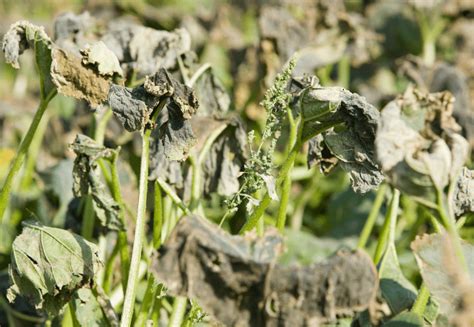
1. Focus on Solutions and Resilience: Instead of just showing a diseased plant, show what you did about it. Did you remove it, treat it, or plant something new? Highlight the action taken and the hope for recovery.
2. Share the Journey, Not Just the Destination: Documenting the entire process, including the struggles, allows your audience to see the effort and learning curve involved. A time-lapse of a struggling plant eventually thriving (or being replaced) can be incredibly motivating.
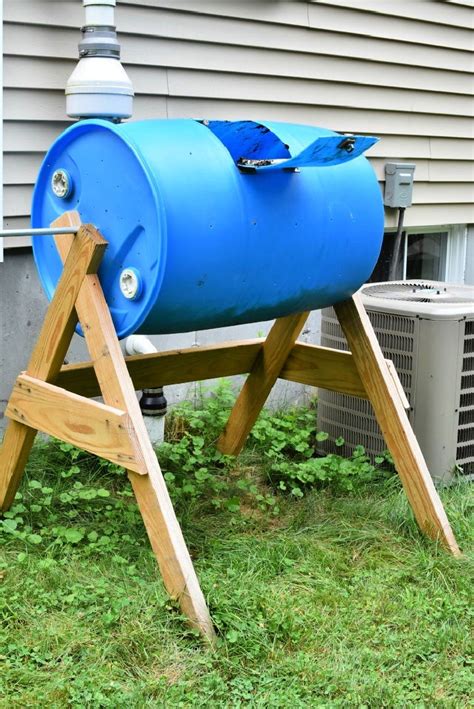
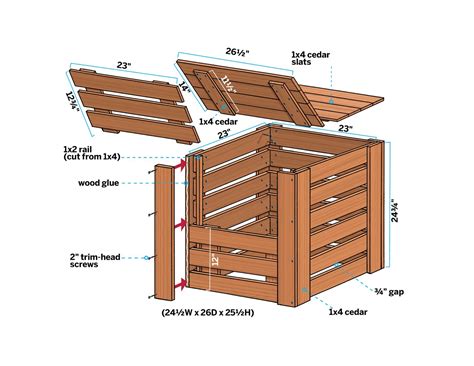
3. Use Humor and Relatability: A lighthearted approach can make failures less daunting. “My compost pile is more like a science experiment gone wrong” is more engaging than a dry report of decomposition issues. Shared laughter builds community.
4. Encourage Questions and Dialogue: Frame your failures as open invitations for others to share their experiences and offer advice. This transforms a monologue into a collaborative learning environment, fostering a sense of shared community and mutual support.

Balancing the “Good” with the “Bad”
While transparency is vital, it’s also important to ensure your overall message remains one of encouragement. Interweave stories of failure with triumphs, no matter how small. Show the joy of a single perfect tomato alongside the tale of a failed row of beans. This balance reinforces that homesteading is a journey of continuous learning and incremental successes.

Empowering the Next Generation of Homesteaders
Ultimately, sharing garden failures responsibly is about empowering, not discouraging. It’s about demystifying the process, breaking down unrealistic expectations, and equipping new homesteaders with the mental fortitude and practical insights needed to navigate their own inevitable challenges. By sharing our full, authentic stories – the good, the bad, and the educational – we cultivate a more resilient, knowledgeable, and supportive homesteading community.