How do you share raw, practical BTS that reveals true homemade food struggles?

The Power of Unvarnished Truth in the Kitchen
In a world saturated with perfectly plated dishes and seamless cooking videos, there’s a growing hunger for authenticity. Many home cooks, from beginners to seasoned veterans, often feel isolated by their kitchen mishaps and less-than-perfect results. Sharing the “behind the scenes” (BTS) of homemade food struggles isn’t just a trend; it’s a powerful way to build genuine connection, foster relatability, and create a supportive community around the shared experience of cooking at home.
But how do you peel back the polished veneer without discouraging your audience or undermining your expertise? It’s about strategic vulnerability and a commitment to showing the full spectrum of the culinary journey, not just the highlight reel.

Embrace the Imperfect: Normalizing Kitchen Chaos
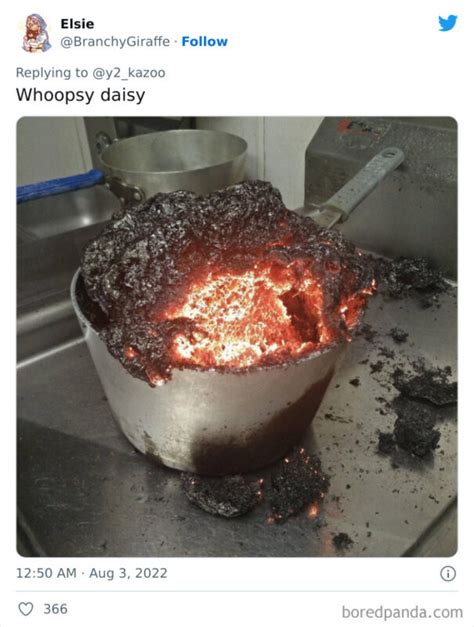
The first step is a mindset shift: recognizing that imperfections are not failures, but learning opportunities and a natural part of the process. Every chef, professional or home-based, has experienced a scorched pan, a collapsed cake, or a recipe gone awry. By openly showcasing these moments, you normalize them for your audience, making them feel less alone in their own kitchen frustrations.
Think about the moments that usually get edited out: the frantic search for a missing ingredient, the overflowing pot, the struggle with a tricky dough, or the attempt that simply didn’t taste right. These are the moments that truly resonate because they are universally experienced.
Practical Strategies for Sharing the Realness
Sharing your struggles can take various forms, each offering a unique glimpse into your culinary world:
- Short-form Video: Platforms like TikTok, Instagram Reels, or YouTube Shorts are ideal for quick, unedited snippets. A 15-second clip of a deflated soufflé or a spilled ingredient can be incredibly engaging.
- Photo Dumps & Carousels: Instead of just the final dish, share a carousel post with photos of the process, including the “ugly” stages, the messy counter, and even the failed attempt before you got it right.
- “Recipe Gone Wrong” Stories: Dedicate an Instagram Story series or a blog post to a specific culinary disaster, detailing what happened, what you learned, and how you salvaged (or didn’t salvage) the dish.
- Live Q&A Sessions: Go live and openly discuss common cooking challenges, inviting your audience to share their own. This interactive format builds incredible community.
What Exactly Should You Share?
Authenticity doesn’t mean airing every single minor grievance, but rather selecting moments that are relatable and offer a learning opportunity. Consider sharing:
- Recipe Fails: The time a cake didn’t rise, bread was too dense, or a sauce separated. Explain what you think went wrong and what you’d do differently next time.
- Time Constraints & Pressure: Show how you manage cooking on a busy weeknight, demonstrating that even delicious homemade food sometimes comes from shortcuts or a bit of chaos.
- Ingredient Mishaps: Forgot an ingredient? Substituted something that didn’t work? These are common occurrences.
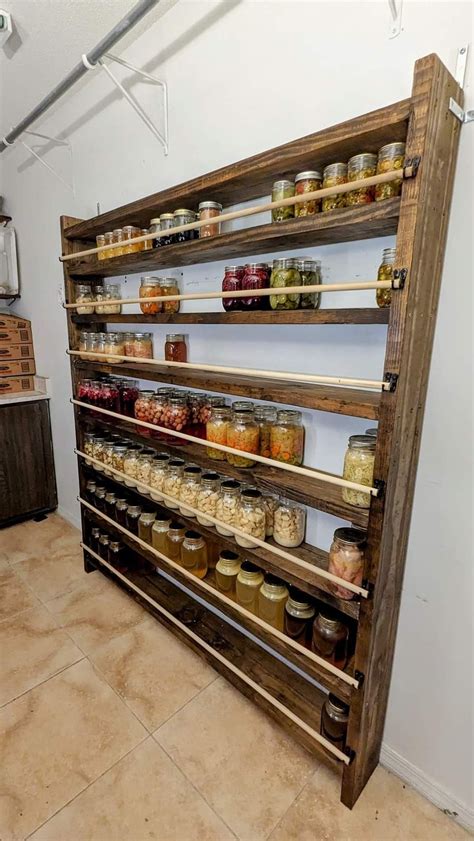
- Kitchen Organization Struggles: The perpetual battle with Tupperware lids, the overflowing spice rack, or the hunt for a specific utensil.
The Undeniable Benefits of Vulnerability
Beyond simply showing reality, there are tangible benefits to sharing your homemade food struggles:
- Builds Trust and Authenticity: Your audience will see you as a real person, not just a curated persona, leading to deeper trust.
- Increases Engagement: People are more likely to comment, share their own stories, and offer advice when they feel a genuine connection.
- Fosters Community: You create a space where others feel safe to share their struggles, turning your platform into a supportive hub for home cooks.
- Positions You as a Learner, Not Just a Teacher: This humble approach makes your advice more palatable and your journey more inspiring.
- Differentiates Your Content: In a sea of perfection, raw honesty stands out.

Crafting Your Authentic Kitchen Narrative
When sharing these struggles, remember to maintain a positive and encouraging tone. The goal isn’t to complain, but to illustrate the journey, the learning process, and the eventual triumph (or humorous defeat). Frame your struggles as part of the adventure, demonstrating resilience and a growth mindset. This approach not only entertains but also empowers your audience, assuring them that every cook, including the “experts,” encounters bumps on the road to delicious homemade meals.
By consciously choosing to share the raw, practical BTS of your homemade food struggles, you transform potential moments of embarrassment into powerful opportunities for connection, education, and community building, making the culinary world a more inclusive and realistic place for everyone.