How do you share real food BTS kitchen chaos authentically without deterring home cooks?

In the age of perfectly styled food photography and seamlessly edited cooking videos, the reality of a bustling kitchen often remains hidden. Home cooks scrolling through endless feeds might believe that culinary magic happens without a single misplaced ingredient, a splattered sauce, or a frantic scramble. But the truth, as any seasoned cook knows, is that kitchens—whether professional or home-based—are often arenas of delightful, albeit messy, chaos. The challenge for food content creators is: how do you authentically share this behind-the-scenes reality without overwhelming or deterring your audience?
The Illusion vs. The Reality of the Kitchen
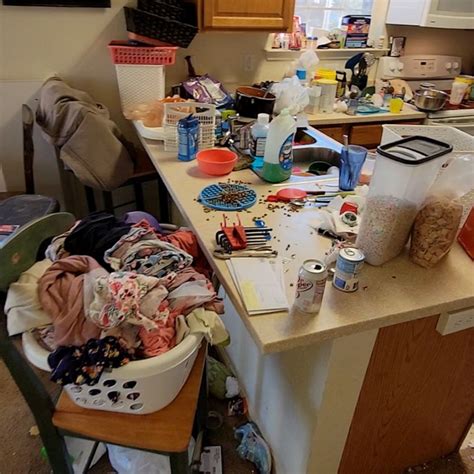
For years, the standard for food content has been aspirational. We’re shown pristine countertops, gleaming utensils, and dishes that look straight out of a Michelin-starred restaurant. While beautiful, this curated perfection can inadvertently set an impossibly high bar for home cooks, leading to feelings of inadequacy if their own culinary adventures don’t look as flawless. Sharing the “real” kitchen—the one with flour dust, overflowing sinks, and last-minute ingredient swaps—can bridge this gap.
Why Authenticity Resonates with Home Cooks
Authenticity builds trust. When content creators bravely pull back the curtain on the less-than-perfect moments, they become more relatable. Home cooks realize that even the pros face challenges, make mistakes, and navigate unforeseen hurdles. This shared experience fosters a sense of community and understanding, making the content creator seem more human and approachable.
Moreover, showcasing the raw, unedited moments normalizes the process of cooking. It teaches that cooking is often an iterative process, not a linear one. It’s about adapting, learning from mistakes, and ultimately, enjoying the journey as much as the destination.
Strategies for Sharing the Chaos Positively
1. Frame the Mess as Part of the Process
Instead of just showing a messy counter, narrate why it’s messy. “This is what happens when you’re searing multiple steaks at once!” or “Yes, my workstation gets like this, but it means delicious things are happening!” This contextualization transforms a deterrent into an insightful peek behind the curtain.

2. Highlight Problem-Solving and Adaptability
A dropped egg, a burnt onion, a sauce that refuses to thicken—these are common kitchen woes. Instead of hiding them, show how you troubleshoot. Did you quickly grab another egg? Did you deglaze the pan to save the flavor? These moments are invaluable learning opportunities for your audience, demonstrating resilience and quick thinking.

3. Use Humor and Self-Deprecation
A little laughter goes a long way. Poking fun at your own minor mishaps or the general pandemonium can be incredibly endearing. “Oops, there goes half the flour on the floor again!” or “My cat thinks this is a sprinkle dispenser.” This lightens the mood and makes the chaos seem less daunting and more amusing.
4. Focus on the “Behind-the-Scenes” Angle
Dedicated “BTS” segments, short reels, or Instagram stories are perfect for this. They allow for quick, unfiltered glimpses without interrupting the main, more polished recipe content. Think of it as bonus material—extra content that enriches the audience’s understanding without changing the primary experience.

5. Showcase the Transformation
Contrast the chaotic middle with the beautiful beginning and glorious end. Show the raw ingredients, then the messy process, and finally, the stunning finished dish. This powerful narrative arc demonstrates that even amidst the whirlwind, delicious results are achievable, providing a strong sense of accomplishment and inspiration.
Inspiring, Not Intimidating
The goal is to empower home cooks, not to overwhelm them. By sharing the reality of kitchen chaos thoughtfully, creators can demystify cooking, making it seem more accessible and less intimidating. It shows that perfection is not a prerequisite for delicious food, and that even in the busiest, messiest moments, joy and creativity can thrive.
Conclusion
Sharing the authentic chaos of a real kitchen is a powerful way for food content creators to connect with their audience on a deeper level. By framing mistakes as learning opportunities, using humor, and focusing on the journey, you can inspire home cooks rather than deter them. Embrace the spills, celebrate the saves, and let your audience see the beautiful, messy truth of cooking. It’s in these genuine moments that true culinary inspiration is often found.