How do you share “real food” kitchen mishaps BTS without losing trust?

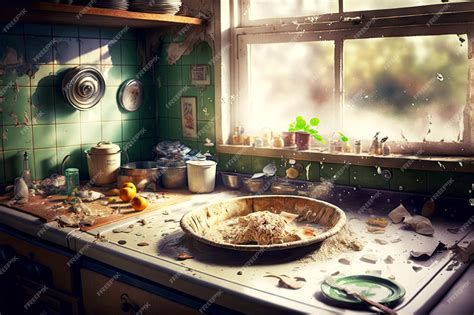
In the polished world of food blogging and content creation, every dish often appears flawless, every ingredient perfectly prepped, and every final photograph magazine-ready. Yet, anyone who regularly cooks ‘real food’ – especially from scratch – knows that the journey from raw ingredients to delectable dinner is rarely a smooth one. Kitchen mishaps are a reality, from burnt batches to collapsed soufflés, forgotten ingredients to spilled sauces. The question for content creators is: how do you share these behind-the-scenes (BTS) moments of imperfection without undermining your credibility and losing the trust of your audience?
The Myth of Culinary Perfection
Audiences are increasingly sophisticated. They understand that what they see on screen is often the highlight reel. Presenting a consistently perfect facade can, paradoxically, create a distance rather than foster connection. It can make your journey seem unattainable, making your audience feel inadequate if their own cooking doesn’t match your on-screen flawlessness. Embracing vulnerability by showing the occasional stumble can humanize your brand and make your content far more relatable.
Why Authenticity Matters for Trust
Trust isn’t built on perfection; it’s built on authenticity and consistency. When you share a kitchen mishap, you’re not just showing a mistake; you’re demonstrating honesty. This honesty signals to your audience that you are a real person, facing real challenges, just like them. It can deepen their connection to you, as they see a reflection of their own experiences in your content. This relatability is a powerful tool for building a loyal community that trusts your recommendations and expertise, because they know you’re not just showcasing curated successes.
Navigating the Trust Divide: What to Share and How
The key lies in strategic sharing. Not every disaster needs to be broadcast, and the way you frame a mishap is crucial. Here are some guidelines:
- Focus on the Lesson: Instead of just showing a failed attempt, explain what went wrong and, more importantly, what you learned from it. Did you misread a recipe? Over-mix? Forget to preheat? Share the ‘aha!’ moment. This positions you as an expert who learns and adapts, not just someone who makes mistakes.
- Show the Recovery: Did you manage to salvage part of the dish? Did you pivot to an entirely new meal with the remaining ingredients? Demonstrating problem-solving skills turns a failure into a testament to your resourcefulness and resilience.
- Use Humor: A lighthearted approach can turn a potentially embarrassing moment into an endearing one. Self-deprecating humor shows confidence and makes you more approachable.
- Choose Your Platform: Instagram Stories, TikTok, or dedicated ‘bloopers’ sections on YouTube are great for quick, informal peeks behind the curtain. Longer-form blog posts or YouTube videos can offer more in-depth analyses of what went wrong and how to avoid it.

The Power of “Before & After” or “Expectation vs. Reality”
A compelling way to share mishaps is through a ‘before and after’ or ‘expectation vs. reality’ format. Show your vision, then the reality of the failed attempt, and finally, the successful (or salvaged) outcome. This narrative arc is satisfying and educational. It reinforces that even experts encounter setbacks but ultimately persevere to achieve their culinary goals.

Maintaining Professionalism Amidst Imperfection
While sharing vulnerability is good, excessive complaining, blaming ingredients, or appearing perpetually flustered can diminish your perceived professionalism. The goal is to show a controlled, thoughtful response to a setback, not a meltdown. Keep the tone constructive and positive, even when things don’t go according to plan. Remember, your audience still looks to you for guidance and inspiration.

When Not to Share
Not every mishap is share-worthy. Avoid sharing anything that could be interpreted as unhygienic, unsafe, or indicative of poor food handling practices. These kinds of mistakes can severely damage trust and credibility in ways that are hard to recover from. Focus on culinary technique errors, aesthetic failures, or minor ingredient mix-ups rather than anything that compromises food safety or quality.
The Payoff: Stronger Community, Deeper Trust
Ultimately, sharing your real food kitchen mishaps BTS, when done thoughtfully and strategically, doesn’t diminish trust—it amplifies it. It creates a more authentic, relatable, and human connection with your audience. They’ll see you not just as a content creator, but as a fellow food enthusiast on a shared journey, learning and growing with every whisk, chop, and occasional kitchen disaster. This deeper bond transforms casual followers into dedicated community members who value your honesty as much as your recipes.