
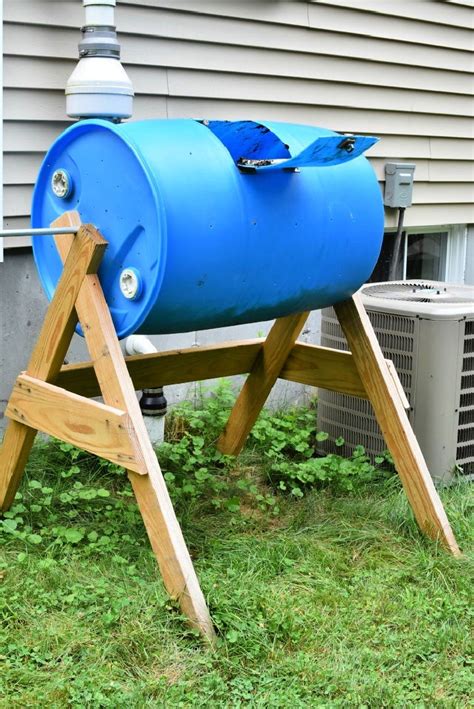

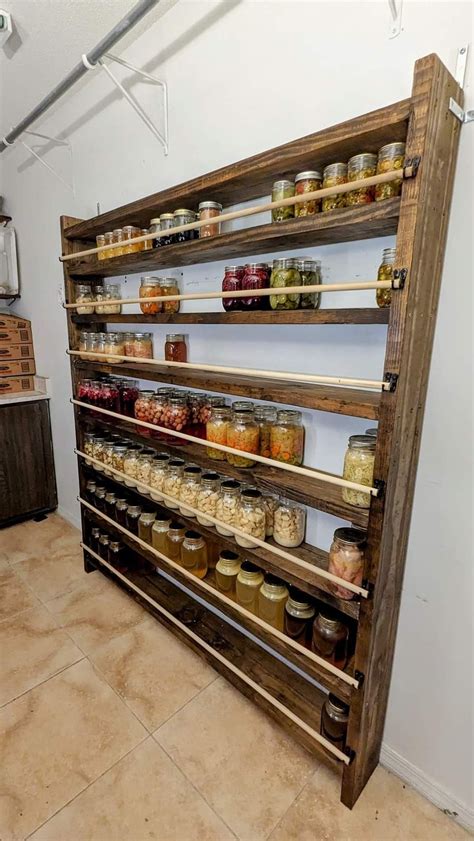
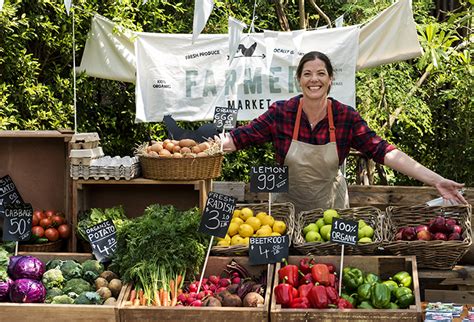

How do you share real garden fails & messy kitchen BTS without losing credibility?

The Allure of Authenticity
In an era saturated with perfectly curated feeds and aspirational lifestyles, the desire for authenticity has never been stronger. Audiences are tired of the flawless facade; they crave genuine connection and relatability. But for content creators, bloggers, and small business owners, the thought of exposing real garden fails or the chaotic ‘behind the scenes’ of a messy kitchen can be daunting. The fear of losing credibility, of appearing unprofessional, often overrides the urge to share the unvarnished truth.
However, strategically sharing your imperfections, the struggles, and the less-than-glamorous moments can actually enhance your credibility and build a stronger, more loyal community. The key lies in *how* you share, ensuring that vulnerability is balanced with value and insight.

Why Your Audience Craves the Real You
When you only present perfection, you create a distance between yourself and your audience. People know that life isn’t always neat rows of thriving vegetables or impeccably clean countertops. By showing the real struggles – the tomatoes that succumbed to blight, the soufflé that refused to rise, or the avalanche of flour on the floor – you humanize your brand. This relatability fosters empathy and allows your audience to see themselves in your journey.
Moreover, sharing fails demonstrates resilience, problem-solving skills, and a commitment to learning. It signals that you’re not afraid to experiment, to get things wrong, and to grow from the experience. This transparency builds trust, a far more valuable asset than a flawless but sterile image.
Strategies for Sharing Without Losing Your Edge
1. Frame Your Fails as Learning Opportunities
Don’t just show a dead plant; explain what went wrong and what you learned. Was it overwatering? A nutrient deficiency? Did you choose the wrong variety for your climate? Turning a ‘fail’ into a teachable moment positions you as an expert who is also a student, constantly evolving and sharing knowledge.

2. Provide Context and Solutions
A messy kitchen is just a messy kitchen unless you provide context. Perhaps you’re in the middle of developing a complex new recipe, and chaos is a necessary step in the creative process. Or maybe it’s the aftermath of a massive batch-cooking session for a client. When you show the mess, follow up with the tidy outcome or the delicious result. Show the problem, but also show your method of tackling it or the success that emerged from it.
3. Balance Imperfection with Expertise
Your content shouldn’t *only* be about failures. Ensure that for every ‘oops’ moment, there are plenty of instances showcasing your skill, knowledge, and successes. This balance reassures your audience that while you’re authentic, you are also competent and reliable in your field. It’s about showing the full spectrum of your work, not just one extreme.

4. Embrace Humor and Vulnerability
A lighthearted approach can turn a potential credibility buster into a memorable, endearing moment. Self-deprecating humor can make your audience smile and further connect with you. Admitting vulnerability – ‘I was so frustrated when this happened!’ – allows people to see you as a real person with real emotions, not just a brand mouthpiece.
Practical Application: Garden & Kitchen Examples
In the Garden: Beyond the Perfect Harvest
Instead of just showcasing bountiful harvests, share the reality of pest infestations, uncooperative weather, or plants that simply didn’t thrive. Document your process of identifying and addressing issues, your experiments with different organic pest controls, or even the decision to compost a failed crop and start fresh. Show the grit, not just the glory.
In the Kitchen: When Recipes Go Awry
Everyone has kitchen disasters. The cake that collapsed, the bread that wouldn’t proof, the sauce that split. Photograph the moment, describe what happened, and then pivot to what you learned. Did you forget an ingredient? Miscalculate temperature? Share the troubleshooting process, the re-attempt, or even the creative pivot to salvage ingredients into a new dish. It shows ingenuity and adaptability.

The Payoff: Building Deeper Connection and Trust
When you consistently offer an authentic view of your journey, including its challenges, you build a community rooted in trust and genuine connection. Your audience will feel more invested in your success because they’ve seen you navigate the struggles. They’ll appreciate your honesty and see you not just as a content creator or a business, but as a fellow human being.
This deep connection translates into higher engagement, greater loyalty, and ultimately, a more sustainable and impactful platform. Credibility isn’t about being perfect; it’s about being honest, transparent, and consistently delivering value, even when that value comes from shared imperfections.

Conclusion: Your Authentic Journey
Sharing your real garden fails and messy kitchen BTS isn’t a shortcut to losing credibility; it’s an opportunity to solidify it. By framing challenges as learning experiences, providing context, balancing successes with struggles, and embracing vulnerability, you can transform perceived weaknesses into powerful strengths. Embrace the beautiful mess of creation, for it is in these raw, unfiltered moments that true connection and lasting credibility are forged.