



How do you simplify complicated heirloom recipes for busy weeknights?

Heirloom recipes are more than just food; they’re a taste of history, a connection to our ancestors, and a celebration of culinary heritage. Yet, in our fast-paced world, the multi-hour preparations and extensive ingredient lists often associated with these cherished dishes can feel daunting, if not impossible, on a busy weeknight. The good news? You don’t have to relegate Grandma’s famous stew or Aunt Mildred’s intricate pie crust to special occasions. With a few clever adjustments, you can bring these beloved flavors to your table any day of the week.
Identify the Heart of the Dish
Before you start hacking away at a recipe, take a moment to understand what makes it truly special. Is it a specific spice blend, a particular cooking technique, or a unique combination of ingredients? Often, heirloom recipes derive their magic from one or two key elements. For instance, a long-simmered ragu might be about the depth of flavor from browned meat and tomatoes, while a baked good might hinge on a specific leavening agent or a unique spice profile. Once you pinpoint the essence, you can protect those core components while streamlining everything else.

Streamline Ingredients and Prep
Many older recipes call for ingredients that require significant prep work or are simply less common today. Look for opportunities to simplify your ingredient list and leverage modern convenience. Instead of chopping an entire garden of vegetables, opt for pre-chopped mirepoix or frozen vegetable mixes. Canned beans can replace dried ones that require soaking. Store-bought stocks and broths are perfectly acceptable substitutes for homemade versions, especially if you choose high-quality brands. Don’t be afraid to replace fresh herbs with dried ones in a pinch, just remember to use a smaller quantity (typically 1/3 to 1/2 of fresh). For baking, ready-made pie crusts or puff pastry can be lifesavers.
Another area for simplification is the number of ingredients. Can two different types of onions be swapped for one? Can a medley of spices be reduced to a signature blend that still captures the essence?
Embrace Time-Saving Cooking Techniques
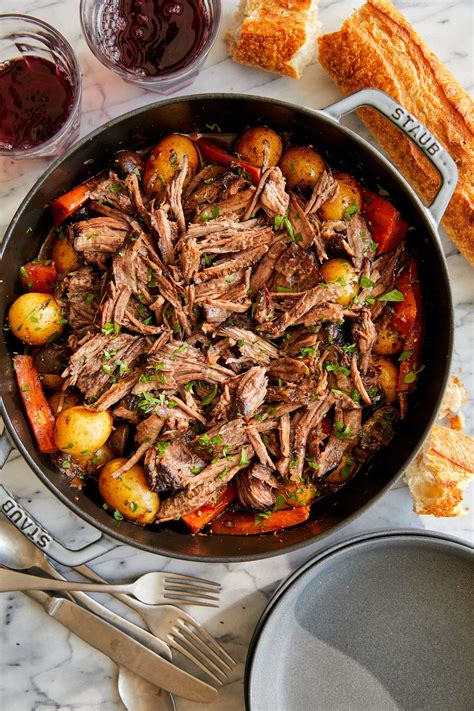
The culinary world has evolved, offering fantastic tools to cut down cooking time. Your grandmother might have simmered her stew on the stovetop for hours, but a modern pressure cooker or Instant Pot can achieve similar tenderness and flavor depth in a fraction of the time. Slow cookers are perfect for “set it and forget it” meals, allowing flavors to meld beautifully while you’re at work. For dishes that traditionally involve a lot of frying or sautéing, consider sheet pan cooking or air frying for quicker, healthier results with minimal cleanup.

Batch cooking is another invaluable technique. If the original recipe makes a large quantity, prepare the full batch but freeze portions for later. This means you only do the complex cooking once, but reap the benefits multiple times. Sauces, stews, and casseroles are often excellent candidates for freezing.
Deconstruct and Reconstruct Flavors
Sometimes, simplifying an heirloom recipe means breaking it down into its core flavor components and reassembling them in a more weeknight-friendly format. For example, a complex lasagna can be transformed into a skillet lasagna or a “deconstructed” bowl with pasta, sauce, and cheese without the layering effort. A long-braised meat dish could become a quick stir-fry using the same flavor profile but with thinly sliced meat that cooks much faster.
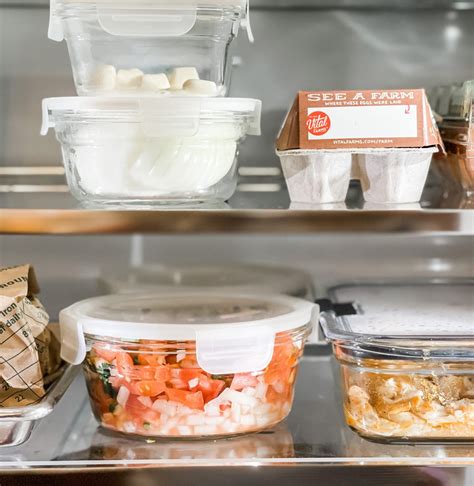
Consider preparing certain components ahead of time. A homemade sauce or a seasoned meat mixture can be made on a Sunday afternoon and then quickly assembled into the final dish on a Tuesday night. This “mise en place” strategy can drastically reduce active cooking time.
Don’t Be Afraid to Adapt
The beauty of heirloom recipes lies in their ability to adapt and evolve through generations. Your great-grandparents likely didn’t have access to the same ingredients or cooking tools as you do. They adapted. And you can too. The goal isn’t to perfectly replicate every single detail, but to honor the spirit and flavor of the dish while making it work for your contemporary lifestyle.
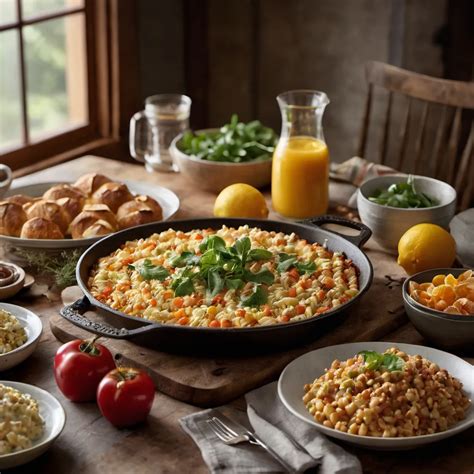
Start with small changes and experiment. Maybe halve the recipe, or try a different cooking method for one component. Keep notes on what works and what doesn’t. You might just create a new, simplified family tradition that future generations will cherish.
Conclusion
Simplifying heirloom recipes for busy weeknights doesn’t mean sacrificing flavor or heritage. It’s about smart cooking, strategic ingredient choices, and embracing modern tools to make time-honored dishes accessible. By identifying the core essence, streamlining prep, using clever techniques, and being open to adaptation, you can continue to enjoy the comforting taste of tradition, even on the busiest of evenings. So dust off that old recipe card, grab your apron, and bring a piece of your family’s culinary history to your weeknight table.