
How do you simplify heirloom recipes for fresh ingredients and modern country kitchens?

Bridging Generations: Heirloom Recipes in the Modern Kitchen
Heirloom recipes are more than just instructions; they are edible narratives, carrying the flavors and memories of generations past. Yet, translating these time-honored dishes into a modern context, using readily available fresh ingredients and fitting them into the efficiency of a contemporary country kitchen, can seem daunting. The key lies not in discarding tradition, but in thoughtfully adapting it, preserving the soul of the dish while embracing modern convenience and healthier ingredient choices.

Deciphering the Past: Understanding Original Intent
Before you even think about simplification, take time to understand the original recipe. Old recipes often assumed a certain level of culinary knowledge, ingredient availability, and kitchen setup that no longer exists. Measurements might be vague (“a pinch,” “a handful,” “until it feels right”), cooking times might be generalized, and ingredients might refer to specific regional varieties or homemade staples. Understanding these nuances helps you make informed adaptations rather than blind substitutions.
Ingredient Adaptation: From Pantry to Produce Aisle
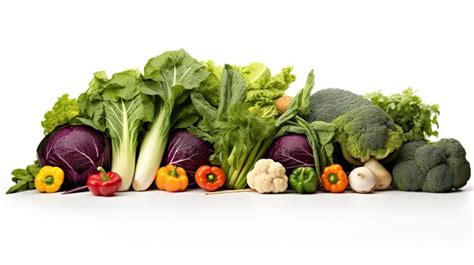
One of the biggest shifts is moving from a reliance on preserved or less varied ingredients to the bounty of fresh produce and specialty items available today. When an heirloom recipe calls for something hard to find, consider its flavor profile and texture. Can a fresh, seasonal vegetable replace a canned one? Can a combination of fresh herbs mimic the depth of a dried, aged spice blend? Prioritize locally sourced, seasonal ingredients to enhance flavor and nutritional value, bringing a vibrant freshness that might have been unattainable in earlier eras.
Modernizing Techniques and Tools
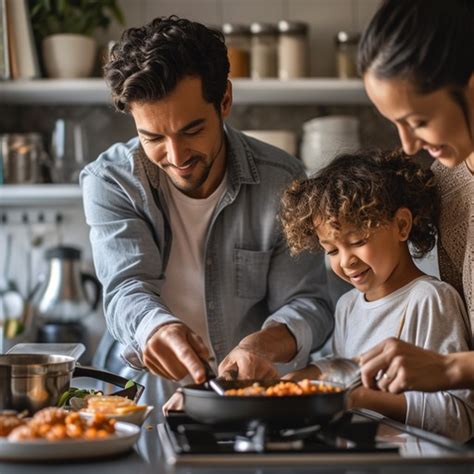
Your great-grandmother didn’t have a food processor, a stand mixer, or an induction stove. Modern country kitchens are often designed for efficiency and ease of use, making certain tasks much quicker. Embrace these tools! A food processor can chop vegetables in seconds, a stand mixer can cream butter and sugar flawlessly, and precise oven temperatures eliminate guesswork. Don’t be afraid to use these to reduce prep time, achieve consistent results, and make cooking more enjoyable. However, know when to stick to tradition – some processes, like kneading dough by hand, retain a unique quality that machinery can’t replicate.

Scaling and Streamlining
Many heirloom recipes were designed to feed large families or for special occasions. Today’s households are often smaller, making it necessary to scale down recipes. This requires careful consideration of ratios, especially for leavening agents or spices. Additionally, look for opportunities to streamline steps. Can two ingredients be added at once? Can a multi-step process be combined if the end result isn’t compromised? The goal is to make the recipe accessible for everyday cooking without losing its essence.
Preserving Flavor: The Heart of the Heirloom
The true magic of an heirloom recipe lies in its distinctive flavor profile. When simplifying or adapting, always ask yourself what are the core flavors that define this dish? Is it the smoky paprika, the sweet apple, the tangy buttermilk, or the aromatic herbs? Focus on preserving these key notes. Adjust seasoning to taste, using fresh herbs for brightness or high-quality spices for depth. Don’t be afraid to experiment with small changes to enhance the flavor without altering its fundamental character.
Embracing the Evolution of Family Cooking
Simplifying heirloom recipes for fresh ingredients and modern kitchens isn’t a betrayal of tradition; it’s an act of love that ensures these culinary treasures continue to be enjoyed and passed down. It’s about making them relevant and manageable for today’s busy lives, proving that old-world charm can beautifully coexist with modern-day practicality. By thoughtfully adapting, you keep the stories alive, one delicious, modernized bite at a time.