How do you streamline weekly real food meal prep behind the scenes for busy country life?

Navigating the Real Food Challenge in Rural Living
Country life, while idyllic in many ways, often presents unique challenges to maintaining a consistent real food diet. Distances to grocery stores can be vast, farm work or other rural responsibilities are physically demanding, and schedules can be notoriously unpredictable. Yet, nourishing your body with wholesome, unprocessed ingredients is crucial for sustaining energy and well-being. The secret lies not in finding more hours in the day, but in implementing smart, behind-the-scenes strategies that streamline your weekly real food meal prep.
This isn’t about rigid perfection, but about creating a flexible, efficient system that works with your rural rhythm, not against it. By investing a little time upfront, you can dramatically reduce daily cooking stress, minimize food waste, and ensure healthy, delicious meals are always within reach, even on the busiest of days.
The Cornerstone: Strategic Planning & Sourcing
Crafting Your Master Meal Matrix
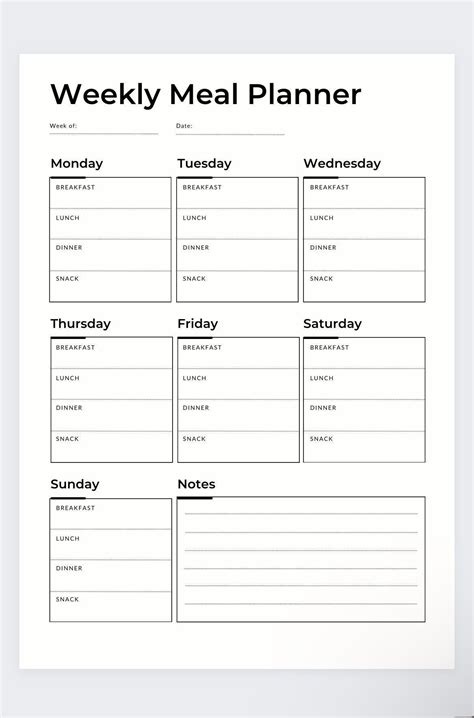
The first step to seamless meal prep is meticulous planning. Instead of winging it, dedicate an hour each week to mapping out your meals. Consider a ‘meal matrix’ approach, where you plan for breakfasts, lunches, and dinners, often incorporating leftovers. Theme nights (e.g., ‘Taco Tuesday,’ ‘Soup Saturday’) can simplify decisions. Focus on recipes that share ingredients to maximize efficiency and minimize waste. Write down everything you’ll need.
Smart Shopping & Rural Sourcing
With potentially fewer grocery store trips, a comprehensive shopping list is non-negotiable. Consolidate your errands and buy non-perishables and freezer items in bulk. For fresh produce and meats, leverage local resources: farmers’ markets, farm-gate sales, community-supported agriculture (CSA) boxes, or even your own garden. Buying local not only supports your community but often provides fresher, more nutrient-dense ingredients.
Executing with Efficiency: Cooking Smart, Not Hard
Batch Cooking & Component Prep
The heart of streamlined real food prep is batch cooking. Dedicate a block of time (e.g., Sunday afternoon) to cook large quantities of foundational components:
- Grains: Cook a big batch of quinoa, rice, or farro to use in salads, bowls, or as sides.
- Proteins: Roast a whole chicken, grill extra chicken breasts, cook a large pot of beans or lentils, or brown a couple pounds of ground meat.
- Roasted Vegetables: Chop and roast a variety of vegetables (broccoli, sweet potatoes, carrots) that can be easily reheated or added to meals.
- Sauces & Dressings: Prepare homemade vinaigrettes, pestos, or marinades to elevate simple ingredients throughout the week.
- Pre-Chopping: Wash and chop raw vegetables for snacks, salads, or quick stir-fries.
Leveraging Kitchen Workhorses
Your appliances are your allies. A slow cooker can transform tough cuts of meat into tender meals while you’re busy outdoors. An Instant Pot (pressure cooker) can cook grains or stews in a fraction of the time. A food processor is invaluable for quickly chopping large quantities of vegetables. Don’t underestimate the power of efficient tools to save precious time and energy.
Storage & Organization: Preserving Your Hard Work
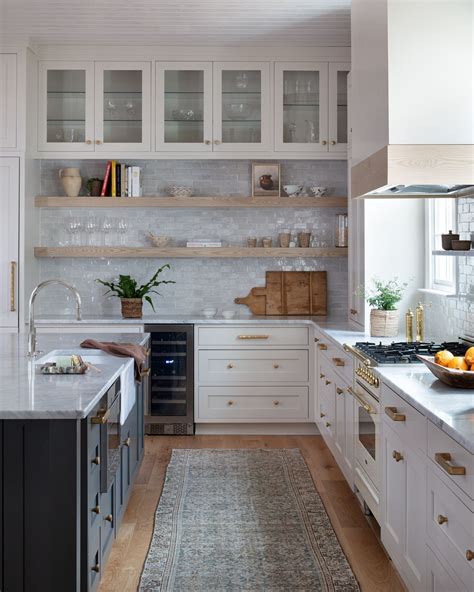
Once your food is prepped, proper storage is key to extending its freshness and making it easy to grab and go. Invest in good quality, airtight containers, preferably glass. Label everything with the date and contents. Divide batch-cooked meals into individual portions for quick lunches or dinners. Utilize your freezer for longer-term storage of cooked meats, stews, soups, or even pre-portioned smoothie ingredients. An organized fridge and freezer save you time and prevent food waste.

Flexibility and Family Engagement
The Rural Real Food Backup Plan
Despite best intentions, country life throws curveballs. Have a ‘backup meal’ system in place: quick-cooking pasta with a jarred sauce and prepped veggies, frozen pre-made chili, or simple eggs and toast. These are your lifelines on days when the plan goes awry. The goal is consistency in healthy eating, not rigid adherence to a schedule.
Make it a Family Affair
Involve your family in the meal prep process. Kids can help wash vegetables or set the table. Teenagers can take on chopping tasks or assist with batch cooking. Making meal prep a shared activity not only lightens the load but also teaches valuable life skills and fosters a healthier relationship with food. It’s a chance to connect and prepare for the week ahead together.

Reclaiming Time and Health, Country Style
Streamlining weekly real food meal prep for busy country life is an art, not a science. It requires patience, practice, and a willingness to adapt your system to your unique circumstances. By focusing on strategic planning, efficient execution, smart storage, and maintaining flexibility, you can transform your kitchen into a powerhouse of healthy eating. This behind-the-scenes effort pays dividends in reduced stress, more free time, and sustained energy to fully embrace the joys and demands of rural living, all while nourishing yourself and your family with real, wholesome food.