


How do you teach kids self-sufficiency through gardening & real food prep?
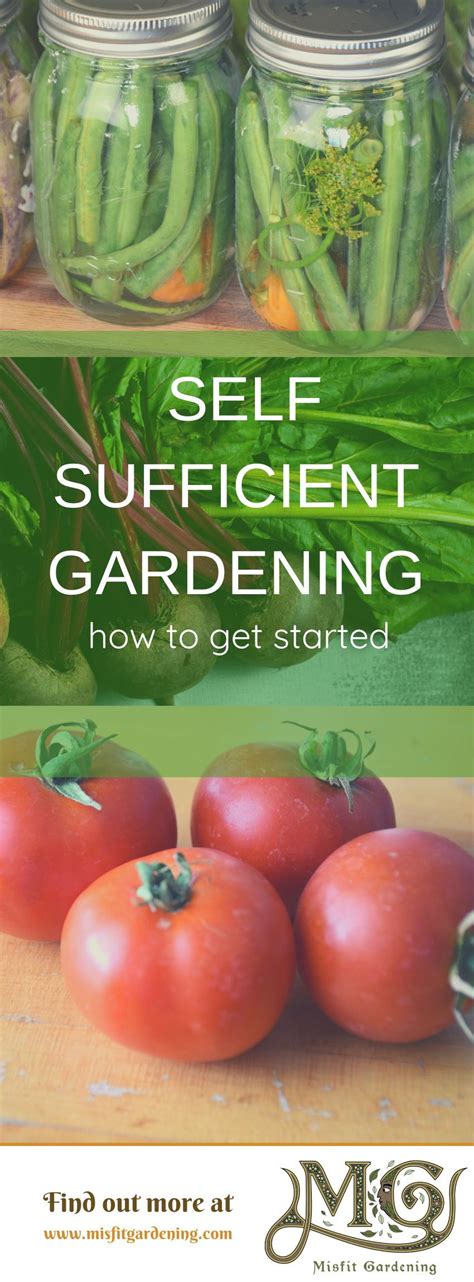
In an age where convenience often trumps connection, teaching children self-sufficiency can feel like an uphill battle. However, by engaging them in hands-on activities like gardening and real food preparation, parents can cultivate invaluable life skills, foster independence, and instill a deep appreciation for healthy living. These aren’t just chores; they’re foundational experiences that build competence and confidence from the ground up.
Cultivating Independence in the Garden
The garden offers a living classroom where kids can learn patience, responsibility, and the miraculous cycle of life. Involving them from seed to harvest teaches them where their food truly comes from, far beyond a grocery store shelf. It demystifies the process and makes them active participants in their own nutrition.
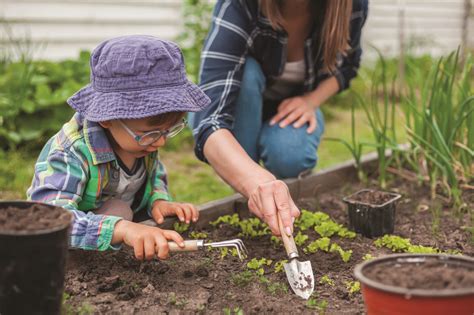
Practical Ways to Involve Kids in Gardening:
- Seed Sowing & Watering: Let them choose what to plant (within reason!) and give them a small watering can. The act of nurturing a plant from a tiny seed is incredibly rewarding.
- Weeding & Pest Patrol: Teach them the difference between a helpful plant and a weed. Make pest checks a detective game, identifying bugs and learning about natural solutions.
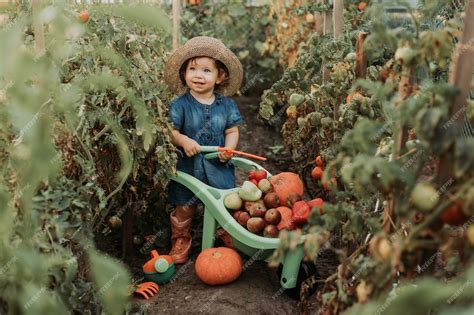
- Harvesting: The ultimate reward! Guide them on when and how to pick ripe vegetables and fruits. This direct experience connects their effort to a tangible outcome.
- Composting: Introduce them to the concept of waste reduction and nutrient cycling by setting up a simple compost bin.
Empowering Young Chefs in the Kitchen
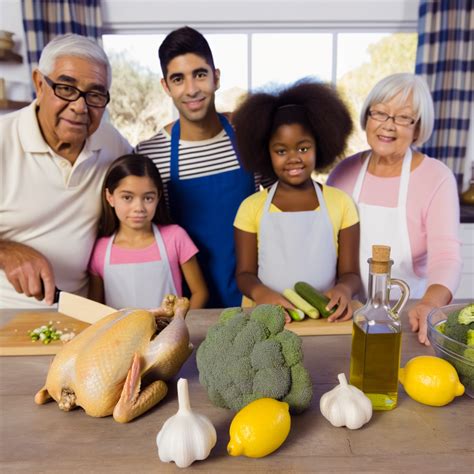
Once the bounty is harvested, the kitchen becomes the next stage for self-sufficiency. Cooking with kids is more than just meal prep; it’s about teaching practical skills, encouraging healthy eating habits, and building confidence in a crucial life area. From measuring ingredients to understanding cooking methods, every step is a learning opportunity.
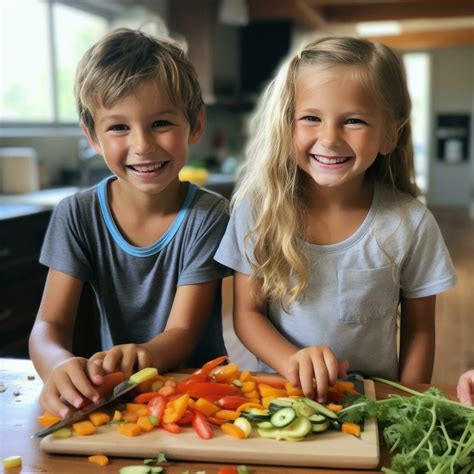
Tips for Real Food Prep with Children:
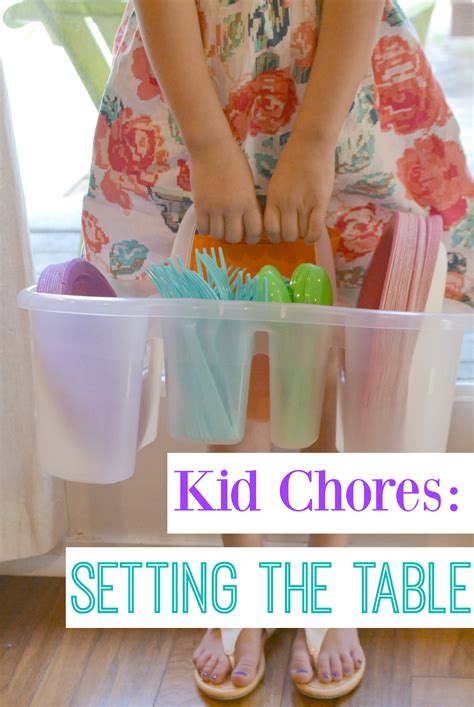
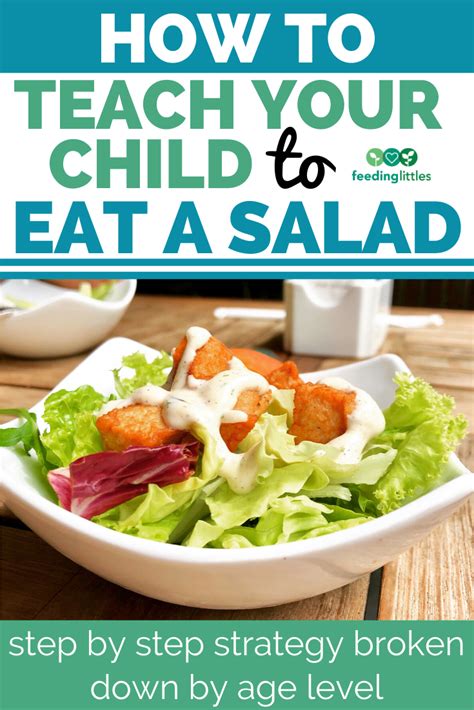
- Age-Appropriate Tasks: Start simple. Younger kids can wash vegetables, stir ingredients, or tear lettuce. Older children can learn to measure, chop safely with supervision, or read recipes.
- Involve Them in Meal Planning: Let them choose a recipe or an ingredient to incorporate into a meal. This increases their interest and ownership.
- Teach Basic Knife Skills: With proper safety education and supervision, teach them how to handle a knife. Start with soft foods and child-friendly knives.
- Explore Flavors & Nutrition: Talk about the different tastes and textures, and why certain foods are good for their bodies.
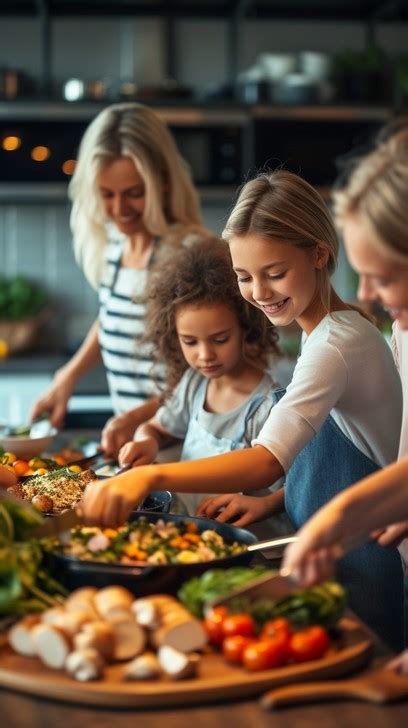
The Full-Circle Journey: From Soil to Supper
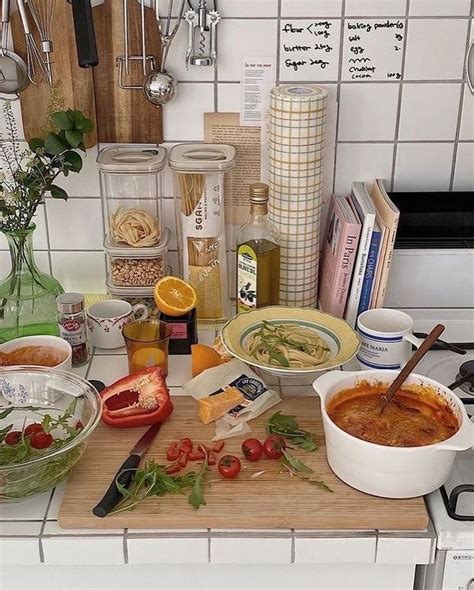
The true magic happens when children connect their efforts in the garden directly to the food on their plate. They understand that the tomatoes they helped grow are now part of their delicious pasta sauce, or the herbs they tended are seasoning their roast chicken. This connection fosters a deeper appreciation for food, reduces waste, and makes them more likely to try new vegetables they’ve had a hand in producing.
Beyond the Plate: Nurturing Lifelong Skills
The benefits of teaching kids self-sufficiency through gardening and real food prep extend far beyond learning how to grow a carrot or scramble an egg. These activities build:
- Problem-Solving Skills: What do we do if the plant isn’t growing? How can we substitute an ingredient?
- Patience and Perseverance: Gardens don’t grow overnight, and sometimes recipes don’t turn out perfectly the first time.
- Responsibility: Plants need consistent care; meals require attention and follow-through.
- Confidence and Self-Esteem: The pride of creating something from scratch, whether it’s a ripe tomato or a homemade soup, is immense.
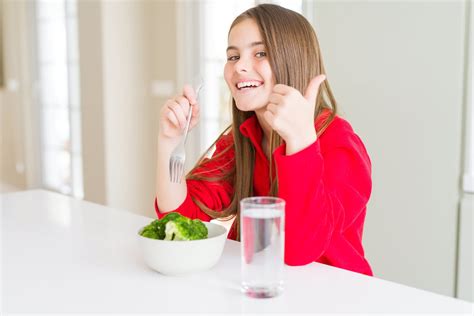
- Healthy Habits: A natural inclination towards fresh, wholesome foods.
Conclusion
Integrating gardening and real food preparation into family life offers a powerful pathway to teaching children self-sufficiency. It’s an investment in their future health, happiness, and independence. By giving them these hands-on opportunities, we equip them not just with skills, but with a foundational understanding of their world and their ability to thrive within it.