




How do you tenderize tough, inexpensive cuts for hearty country meals?

Unlocking Flavor: The Art of Tenderizing Tough Cuts
Tough, inexpensive cuts of meat are the backbone of many hearty country meals, offering rich flavor and satisfying textures when treated correctly. While they might seem daunting at first, mastering the art of tenderizing these cuts can transform them into succulent, melt-in-your-mouth dishes without breaking the bank. Forget bland or chewy outcomes; with a few simple techniques, you can elevate chuck roasts, briskets, shanks, and more into culinary masterpieces.

Mechanical Tenderizing: A Quick Fix
One of the most immediate ways to break down tough muscle fibers is through mechanical action. Pounding meat with a mallet physically severs the fibers, making the meat more pliable and quicker to cook. This method is particularly effective for cuts destined for pan-frying or quick searing, like cube steak or round steak, where a thin, uniform thickness is desirable. Similarly, scoring the surface of thicker cuts with a sharp knife can help break up fibers and allow marinades to penetrate deeper.
Pounding for Tenderness
For thinner cuts, place the meat between two sheets of plastic wrap and use the flat side of a meat mallet. Aim for even thickness to ensure uniform cooking. This is a classic technique for schnitzels or chicken fried steak.
Marinades: The Flavorful Softeners
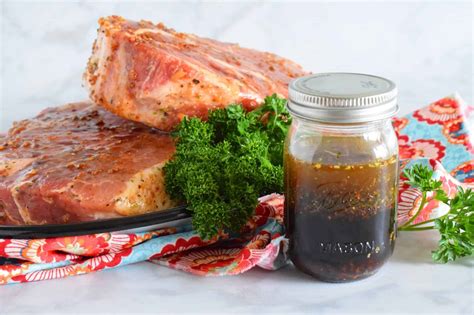
Marinades aren’t just for adding flavor; they can also be powerful tenderizers. Ingredients with acids or enzymes work wonders by chemically breaking down muscle proteins. The key is balance – marinate long enough to tenderize, but not so long that the meat becomes mushy.
Acidic Marinades
Vinegar, lemon juice, buttermilk, yogurt, and even wine contain acids that denature proteins, leading to a softer texture. These work well for cuts like flank steak or skirt steak. A good rule of thumb is to marinate for a few hours up to overnight, depending on the meat’s thickness and toughness.
Enzymatic Marinades
Certain fruits contain natural enzymes that are potent tenderizers. Papain (from papaya) and bromelain (from pineapple) are two common examples. Use these with caution, as their enzymatic action can quickly turn meat mushy if over-marinated. Often, a short soak (30 minutes to 2 hours) is sufficient.
The Magic of Slow Cooking and Moist Heat
Perhaps the most common and effective method for transforming tough cuts into tender delights is long, slow cooking with moist heat. Braising, stewing, and using a slow cooker are perfect examples. The collagen in tough cuts, which makes them chewy when quickly cooked, slowly breaks down into gelatin over hours of simmering. This gelatin creates a rich, silky texture and adds incredible body to sauces.
Braising for Deep Flavor
Braising involves searing the meat first to develop a crust and deep flavor, then submerging it partially in liquid (broth, wine, tomatoes) and cooking it covered at a low temperature for several hours. Cuts like chuck roast, short ribs, and oxtails are ideal for braising. The result is fall-apart tender meat swimming in a flavorful, thick sauce.
![Why Is My PC So Slow All of Sudden[8 Fixes Included]](/images/aHR0cHM6Ly90czEubW0uYmluZy5uZXQvdGg/aWQ9T0lQLnhENW53d2ZHZG9icEJWMUQtX2owbFFIYUVLJnBpZD0xNS4x.webp)
Stewing and Slow Cookers
Similar to braising, stewing involves fully submerging smaller pieces of meat in liquid and simmering them for extended periods. Slow cookers excel at this, maintaining a consistent low temperature that allows collagen to melt gradually without drying out the meat. Think beef stew, pot roast, or pulled pork – dishes where time does all the heavy lifting.
Salting and Brining: Enhancing Juiciness and Texture
While often associated with flavor, proper salting can also contribute to tenderness and juiciness. Dry brining (salting meat ahead of time and letting it rest in the refrigerator) draws out moisture initially, then the salt reabsorbs with dissolved proteins, helping to break down muscle fibers and improving moisture retention.
Cutting Against the Grain: The Final Touch
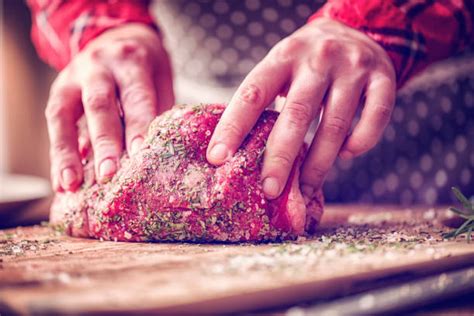
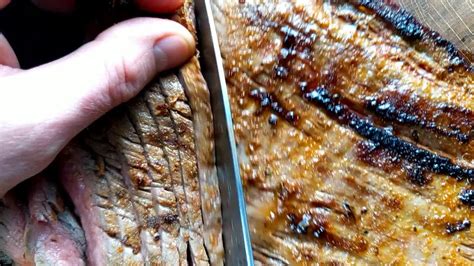
Even perfectly tenderized meat can feel tough if sliced incorrectly. Always cut meat against the grain – perpendicular to the direction the muscle fibers run. This shortens the fibers, making each bite easier to chew and more tender. This simple step is crucial for cuts like flank steak, skirt steak, or brisket.
Conclusion: Embrace the Potential
Tough, inexpensive cuts are not a compromise; they are an opportunity for flavorful, satisfying meals. By understanding and applying mechanical, chemical, and slow-cooking techniques, you can consistently transform these budget-friendly options into tender, delicious dishes that form the heart of any country-style feast. So next time you’re at the butcher, don’t shy away from the less expensive cuts – embrace their potential for truly hearty and memorable meals.