


How does Behind the Scenes reveal your real food imperfections to build trust?
The Allure of Imperfection in a Perfect World
In an era dominated by perfectly curated social media feeds and impossibly pristine food photography, consumers are increasingly jaded by the pursuit of aesthetic perfection. While polished visuals still have their place, there’s a growing demand for authenticity, particularly in the food industry. This is where “Behind the Scenes” content shines, offering a refreshing glimpse into the real, often imperfect, processes that bring food to our tables. By strategically revealing minor flaws and the realities of production, brands can forge a much stronger bond of trust with their audience.
Breaking Down the Fourth Wall: Beyond the Flawless Plate
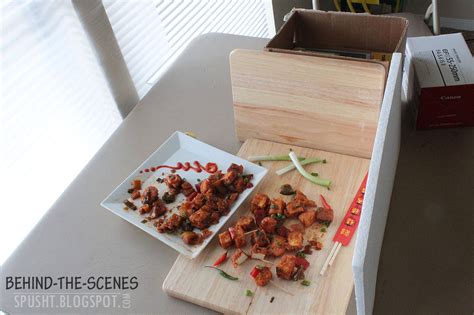
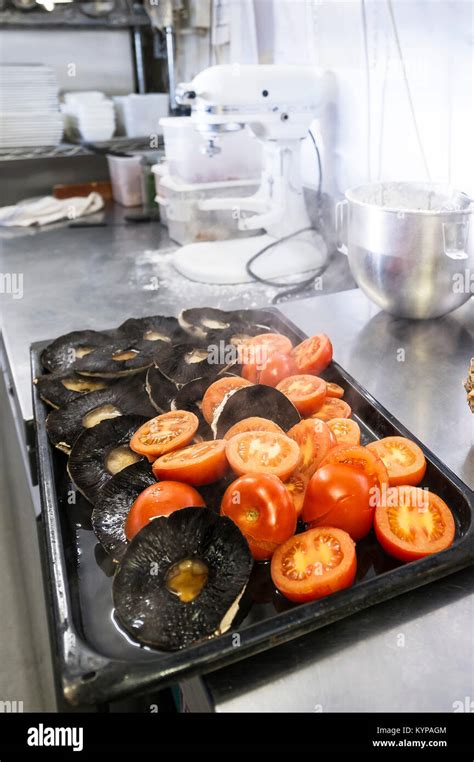
For years, the standard in food marketing has been to present an idealized final product – a dish flawlessly plated, ingredients glistening under perfect light, with not a crumb out of place. This creates an aspirational but often unattainable image. Behind the Scenes content, however, shatters this illusion. It invites customers to witness the messy prep, the occasional kitchen mishap, the naturally occurring blemishes on produce, or the unglamorous stages of product development. This transparency is powerful because it acknowledges that real food, like real life, isn’t always picture-perfect.
The Psychology of Trust: Why Imperfection Resonates
The human brain is wired to connect with authenticity. When a brand dares to show its imperfections, it signals honesty and vulnerability. This isn’t about highlighting mistakes that compromise quality or safety, but rather showcasing the natural, human, and sometimes raw elements of food production. A slightly misshapen loaf of bread, a fruit with a minor bruise, or a chef struggling with a new recipe before perfecting it – these moments make a brand relatable. Consumers don’t expect perfection; they expect transparency and genuine effort. When they see the real process, they feel respected and included, which are foundational elements for building trust.
From Skepticism to Loyalty: The Trust Dividend
In a market flooded with options, trust is a crucial differentiator. By revealing real food imperfections in a controlled and communicative manner, brands can significantly reduce consumer skepticism. This transparency:
- Humanizes the Brand: It shows there are real people behind the product, not just a faceless corporation.
- Builds Empathy: Customers understand the effort and natural challenges involved in creating food.
- Fosters Loyalty: A customer who trusts a brand is more likely to return, recommend it to others, and forgive minor issues because they believe in the brand’s core values.

This approach moves beyond transactional relationships to emotional connections, turning casual buyers into brand advocates.
Practical Applications: How to Showcase Imperfections Wisely
Implementing this strategy requires careful thought. It’s not about exposing negligence, but about embracing realism. Here are ways to effectively use BTS to reveal imperfections:
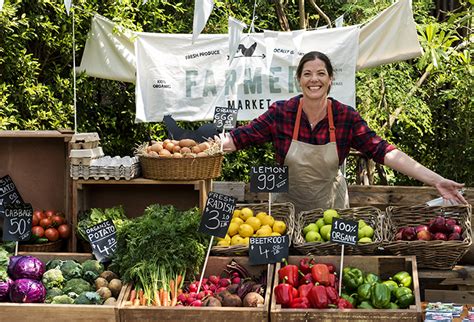
- Show Natural Produce: Feature fruits and vegetables with their natural variations, bumps, or discolorations.
- Unedited Cooking Processes: Share videos of cooking that aren’t perfectly edited, including moments of minor spills, adjustments, or natural workflow.
- Behind-the-Scenes Bloopers: Light-hearted bloopers can show the human element and effort involved.
- Explain Challenges: Discuss how you overcome sourcing difficulties or ingredient variations, turning potential flaws into a story of resilience and quality commitment.
- Highlight “Ugly” Food Initiatives: Partner with movements that champion using imperfect produce to reduce waste.

Conclusion: The Future is Transparent and Trustworthy
In the evolving landscape of food marketing, the ability to build genuine trust is paramount. While striving for quality remains essential, the path to consumer hearts increasingly lies in transparency and authenticity. By courageously lifting the veil and showcasing the real, sometimes imperfect, journey of food from source to plate, brands can cultivate a loyal community built on honesty, relatability, and profound trust. The future of food storytelling isn’t just about what’s perfect; it’s about what’s real.