



How to achieve fluffy, flaky homemade biscuits every time?
The Quest for Perfect Biscuits: A Baker’s Guide
There’s nothing quite like a warm, fluffy, and flaky homemade biscuit, fresh from the oven. It’s a staple of comfort food, versatile enough for breakfast, dinner, or a simple snack. Yet, for many home bakers, achieving that consistent light texture and beautiful layers can seem like an elusive dream. Fear not! With a few key techniques and an understanding of the science behind great biscuits, you can master the art and impress everyone every time.
The Power of Cold Ingredients: Especially Butter
The foundation of a truly flaky biscuit lies in keeping your ingredients, particularly the fat, as cold as possible. Cold butter or shortening, cut into small pieces or grated, is crucial. As these cold pockets of fat melt in the hot oven, they release steam, creating air pockets that separate the layers of dough, resulting in that coveted flakiness.

Tip: Pop your butter in the freezer for 15-20 minutes before you start, and even chill your flour and mixing bowl if your kitchen is warm.
Choosing the Right Flour and Leavening Agents
For the classic tender crumb, a low-protein flour like White Lily self-rising flour is often recommended for Southern-style biscuits. If you don’t have self-rising, use all-purpose flour and add baking powder and baking soda. Ensure your leavening agents (baking powder and baking soda) are fresh; they lose potency over time, which will result in flat biscuits.
Gentle Handling is Key: Avoid Overworking the Dough
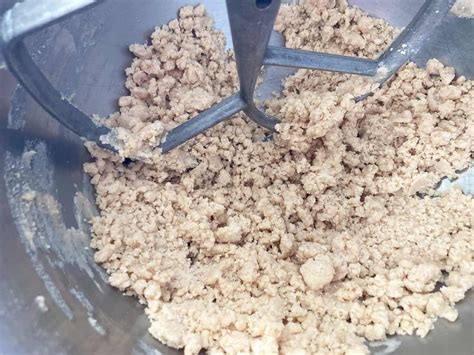
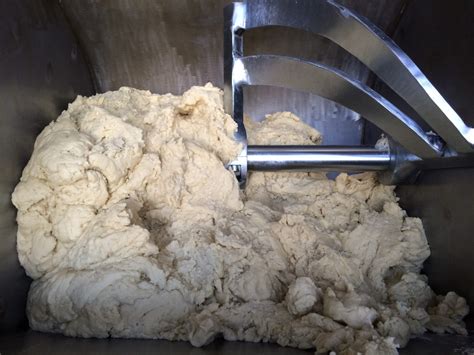
This is perhaps the most critical rule for tender biscuits. Overworking the dough develops the gluten, making your biscuits tough and chewy, rather than light and tender. Mix the dry ingredients with the cold fat until it resembles coarse meal with some pea-sized chunks of butter remaining. Then, gently incorporate your cold liquid (buttermilk is ideal for its acidity and flavor) just until the dough comes together. A shaggy, slightly sticky dough is perfect.
The Folding Technique: Building Layers for Flakiness
To maximize flakiness, incorporate a simple folding technique similar to laminating pastry dough. Once your dough is mixed, turn it out onto a lightly floured surface. Gently pat or roll it into a rectangle. Fold the dough into thirds (like a letter), then gently pat or roll it out again. Repeat this process 2-3 times. This creates distinct layers within the dough that will puff up beautifully when baked.
Cutting and Baking for Maximum Rise
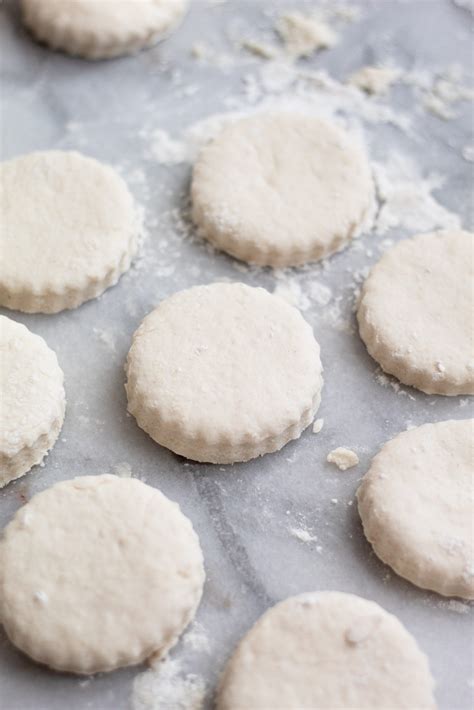
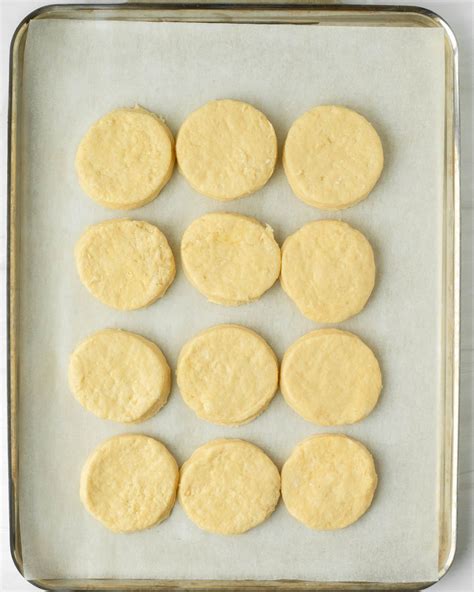
When cutting your biscuits, use a sharp biscuit cutter and press straight down; do not twist. Twisting seals the edges, preventing the biscuits from rising to their full potential. For soft-sided biscuits, place them close together on the baking sheet. For crispier edges, space them further apart. Bake in a very hot oven (typically 425-450°F / 220-230°C) to ensure a rapid rise and golden-brown crust. A hot oven quickly sets the outside while allowing the leavening to work its magic inside.

Common Pitfalls to Avoid
- Warm Ingredients: As stressed, cold is your friend.
- Over-mixing: Tough biscuits are a direct result of too much handling.
- Twisting the Cutter: This seals the edges, inhibiting rise.
- Insufficient Leavening: Always check the freshness of your baking powder/soda.
- Baking at Low Temperatures: You need high heat for a good ‘oven spring.’
Enjoying Your Masterpiece
Once your biscuits are golden brown and have risen beautifully, take them out of the oven. A light brush of melted butter on top can add extra richness and shine. Serve them immediately with butter, jam, gravy, or alongside your favorite meal. The effort will be well worth it when you take that first bite into a tender, flaky, and utterly delicious homemade biscuit.

With these tips and a little practice, you’ll be baking fluffy, flaky homemade biscuits like a seasoned pro every single time.