How to accurately recreate grandma’s heirloom recipes with vague measurements?
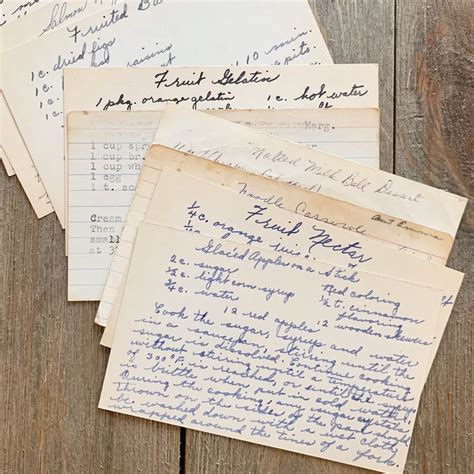
Grandma’s recipes are more than just instructions; they are edible memories, a taste of history passed down through generations. But often, these precious culinary treasures come with a unique challenge: vague measurements like ‘a pinch of salt,’ ‘flour until it feels right,’ or ‘bake until golden.’ Recreating these dishes accurately can seem daunting, but with a blend of detective work, sensory exploration, and a touch of scientific method, you can bring those cherished flavors back to life.
Deciphering Grandma’s Culinary Language
The first step is to understand that ‘vague’ wasn’t imprecise in grandma’s kitchen; it was intuitive. Generations of cooking by feel meant measurements were often learned through practice, not exact scales. When she wrote ‘a handful of sugar,’ it was likely a consistent amount to her. Consider the era the recipe originated from: ingredients might have been different, and kitchen tools less standardized. Learning to interpret these subjective terms is crucial.
Start by considering the context. Is it a baking recipe where precision is key, or a savory dish where adjustments are more forgiving? Look for clues in other family recipes or cookbooks from the same era that might offer more standardized equivalents for common terms. Sometimes, a ‘coffee cup’ meant a standard 8-ounce cup, while other times it referred to a smaller teacup.
Gathering Clues and Initial Guesses
Before you even touch an ingredient, become a culinary detective. Talk to older family members who might have watched grandma cook. They might recall details like ‘she always used the blue bowl for the flour’ or ‘it always looked a certain thickness before baking.’ Search online for similar historical recipes to get a baseline for common ingredient ratios. Often, recipes for the same dish share fundamental proportions, which can help you approximate the vague parts.
When you finally begin, start with the smallest possible batch if feasible. This minimizes waste if your first attempt isn’t perfect. Pay close attention to the order of ingredients and the described process. Sometimes, the method itself implies a certain consistency or stage that can guide your measurements. For instance, if a dough is supposed to be ‘stiff,’ add flour gradually until it reaches that consistency, rather than dumping it all in at once.
Engage All Your Senses: Sight, Smell, and Touch
Grandma cooked with her senses, and so should you. Use sight to judge color, consistency, and texture. Is the sauce ‘thick like gravy’? What shade of ‘golden brown’ is the crust supposed to be? Smell can guide you to ripeness, doneness, and the perfect blend of spices. Touch is invaluable for judging dough consistency, the tenderness of vegetables, or the flakiness of a pastry.
Most importantly, taste as you go. This is especially true for savory dishes where ‘to taste’ is a literal instruction. Add small increments of salt, sugar, or spices, tasting after each addition until the flavor profile matches your memory or expectation. Keep a small spoon handy and be prepared to make frequent adjustments.
The Scientific Approach: Weighing and Documenting
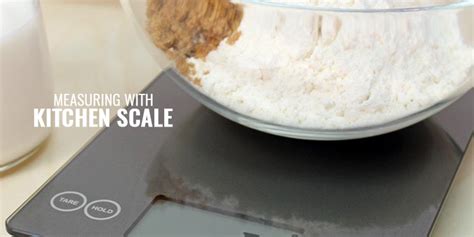
While grandma cooked by feel, you can introduce modern precision to solidify her legacy. Invest in a good kitchen scale. When a recipe calls for ‘flour until it feels right,’ measure how much flour you actually use by weight. This provides an objective measurement you can replicate. You can also research typical ingredient weights; for example, a cup of all-purpose flour usually weighs around 120-125 grams.
As you experiment, meticulously document everything. Note down the exact amounts you used, any substitutions made, the cooking times, and even oven temperatures. Describe the visual and textural cues at each stage. This detailed record becomes your personal recipe bible, ensuring consistency for future attempts and allowing you to fine-tune as needed.
Iteration and Embracing Imperfection
Rarely is an heirloom recipe perfectly recreated on the first try, especially with vague instructions. See each attempt as a learning opportunity. What worked? What didn’t? Adjust your notes and try again. Don’t be afraid to tweak elements slightly to match your own preferences or available ingredients.
Remember that the goal isn’t always exact replication, but rather a faithful interpretation that captures the spirit and flavor of the original. Grandma’s recipes are a living legacy; by recreating them, you’re not just cooking, you’re participating in a beautiful tradition of culinary storytelling. Enjoy the process, savor the memories, and create new ones for generations to come.