



How to adapt a traditional family recipe using seasonal garden produce?

There’s a special magic in sharing dishes passed down through generations. These traditional family recipes carry stories, memories, and a unique taste of home. But what happens when you want to infuse these beloved classics with the bounty of your own garden or local seasonal harvest? Adapting traditional recipes with seasonal produce is a rewarding journey that not only refreshes familiar flavors but also celebrates the freshness and sustainability of eating locally.
Understanding Your Culinary Heritage
Before you start swapping ingredients, take a moment to truly understand the traditional recipe. What are its core elements? Is it the smoky depth of a stew, the zesty brightness of a salad, or the comforting creaminess of a casserole? Identify the non-negotiable flavors, textures, and cooking methods that define the dish. Consider the ‘soul’ of the recipe – what makes it uniquely your family’s? This foundational understanding will guide your adaptations, ensuring you enhance rather than overpower its essence.

Taking Stock of Your Seasonal Harvest
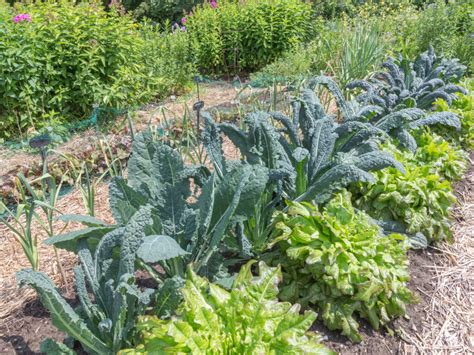
Next, turn your attention to what’s currently thriving in your garden or available at your local market. Do you have an abundance of ripe tomatoes, crisp zucchini, sweet corn, pungent herbs, or leafy greens? Consider their natural flavors, textures, and how they typically behave when cooked. A tender summer squash will respond differently to heat than a hearty winter root vegetable. Knowing your produce’s characteristics is key to successful integration.
Smart Substitution Strategies
The art of adaptation lies in smart substitutions. Look for seasonal produce that offers a similar flavor profile or texture to the original ingredients. For instance, if a traditional recipe calls for canned green beans, fresh blanched haricots verts from the garden will elevate the dish with a brighter, snappier texture. If your family chili typically uses bell peppers, but you have an abundance of poblanos, consider the swap for a deeper, earthier heat. Don’t be afraid to experiment with vegetables you might not have considered before.

Sometimes, the seasonal ingredient might not be a direct substitute but an addition. A classic pasta dish could be brightened with a handful of fresh basil and cherry tomatoes, or a roasted chicken might gain new life with a bed of seasonal root vegetables. Think about how the new ingredient can complement the existing flavors without overwhelming them. Consider the color, aroma, and overall visual appeal, too – fresh produce often adds vibrant aesthetics to a dish.
Balancing Flavors and Textures
When introducing new ingredients, maintaining flavor balance is crucial. If your seasonal produce is particularly sweet, you might need to adjust the amount of other sweeteners in the recipe or add a touch of acidity to cut through the richness. Similarly, if you’re using a more fibrous vegetable, it might require a longer cooking time or a different preparation method (e.g., blanching before sautéing). Taste as you go, and don’t be afraid to adjust seasonings, herbs, and spices to marry the old and new flavors harmoniously.

The Art of Iteration: Taste and Adjust
Adapting recipes is an iterative process. It’s rare to get it perfectly right on the first try. Start with small adjustments, taste, and then modify further. Cook a smaller batch if you’re unsure. Take notes on what worked and what didn’t. This not only helps you refine the current dish but also builds your intuition for future adaptations. Embrace the experimental nature of cooking; sometimes the most unexpected combinations yield the most delicious results.

Documenting Your New Creation
Once you’ve successfully adapted a traditional recipe, make sure to document your changes! Write down the seasonal ingredients you used, the quantities, and any new cooking methods or seasonings. This way, you can recreate your delicious new version or even pass it down as a ‘seasonal variation’ of the family classic. It’s a wonderful way to honor your heritage while also creating new culinary traditions for future generations.

Conclusion: A Delicious New Tradition
Adapting traditional family recipes with seasonal garden produce is more than just cooking; it’s a creative expression of love for food, family, and the earth. It allows you to honor your roots while embracing the freshness and vitality of the present moment. So, next time you’re looking at a cherished family recipe, consider what your garden or local market has to offer, and embark on a delicious adventure that brings new life to old favorites.