



How to adapt classic country recipes using seasonal garden produce?

Country cooking evokes images of hearty, comforting meals passed down through generations. These timeless recipes often rely on simple, wholesome ingredients. But what if you could elevate them further, infusing them with the unparalleled freshness and vibrant flavors of your own garden’s bounty? Adapting classic country recipes to incorporate seasonal produce is a rewarding culinary journey that not only enhances the taste and nutrition of your food but also connects you more deeply with the rhythm of nature.
The Timeless Appeal of Garden-Fresh Country Cooking
There’s an undeniable charm to country recipes – they are often unfussy, designed to feed a crowd, and packed with a sense of tradition. When you introduce ingredients harvested at their peak, you unlock a new dimension of flavor. A tomato from the garden, still warm from the sun, tastes infinitely better than its store-bought counterpart. This freshness translates into richer sauces, sweeter desserts, and more aromatic main courses. Beyond taste, seasonal eating often means more nutrient-dense food, lower food miles, and a sustainable approach to your kitchen.
Understanding Your Seasonal Harvest
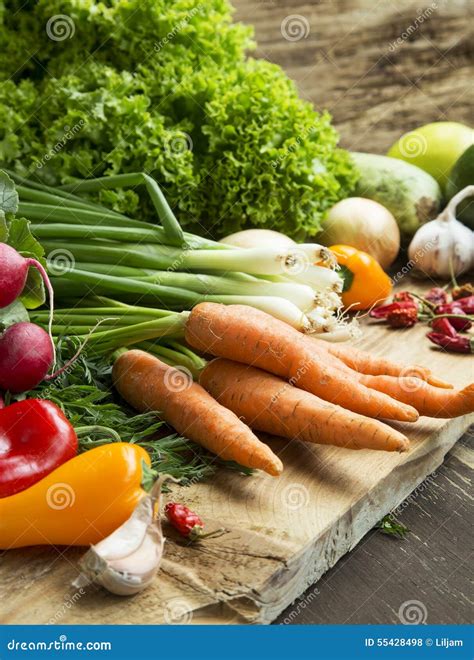
The first step in adapting any recipe is knowing what’s available. A quick glance at your garden will tell you whether you’re overflowing with zucchini and green beans in summer, or if pumpkins and root vegetables are taking center stage in the fall. Each season offers a unique palette of flavors and textures:
- Spring: Asparagus, peas, radishes, leafy greens, strawberries.
- Summer: Tomatoes, corn, zucchini, cucumbers, berries, peaches, peppers.
- Fall: Apples, squash (butternut, acorn), pumpkins, root vegetables, collard greens.
- Winter: Hearty greens (kale, spinach), leeks, stored root vegetables, citrus (if climate permits).
Embracing this seasonality means your meals will naturally evolve throughout the year, keeping your cooking exciting and your palate delighted.
Key Strategies for Recipe Adaptation
1. Smart Ingredient Swaps
Many classic country recipes call for canned vegetables or frozen options. This is where your garden shines! Swap canned green beans for fresh, diced garden tomatoes for canned, or fresh herbs for dried. Be mindful of moisture content – fresh produce can release more liquid, so you might need to adjust cooking times or reduce added liquids.
2. Balancing Flavors and Textures
Fresh ingredients often have more vibrant and sometimes delicate flavors. Taste as you go! If a dish typically relies on the concentrated flavor of a long-simmered ingredient, you might need to add herbs, spices, or a touch of acid (like vinegar or lemon juice) to bring out the best in your fresh produce. Consider texture too; crisp snap peas will bring a different mouthfeel than soft, cooked peas, so embrace these differences or adjust cooking methods accordingly.

3. Thinking Beyond the Main Dish
Seasonal produce isn’t just for the main course. Think about how a fresh berry compote could top a classic shortcake, or how roasted root vegetables could replace traditional mashed potatoes. A handful of fresh herbs can transform a simple cornbread or biscuit recipe. The possibilities are endless when you open your mind to what your garden offers.
Classic Country Dishes Reimagined
Stewed Meats & Casseroles
A beef stew, traditionally made with carrots and potatoes, can be brightened in summer with zucchini, bell peppers, and fresh green beans. A chicken pot pie can feature tender spring peas and asparagus, or sweet corn and summer squash. For a fall twist, incorporate cubes of butternut squash and hearty kale.
Pies, Crisps & Cobblers
While apple pie is a year-round favorite, imagine a spring rhubarb pie, a summer peach or blueberry cobbler, or a plum crisp. The natural sweetness and tartness of fresh fruit often require less added sugar, allowing the fruit’s true essence to shine.

Soups & Salads
A simple chicken noodle soup can get a fresh upgrade with finely diced carrots, celery, and spinach from the garden. Potato salad can be transformed with new potatoes, fresh dill, chopped radishes, and snap peas. Even a classic coleslaw benefits from freshly shredded cabbage and carrots, perhaps with a handful of fresh parsley.
Tips for Successful Seasonal Adapters
- Start Small: Don’t try to reinvent an entire meal at once. Begin by swapping one or two ingredients in a familiar recipe.
- Taste and Adjust: Fresh produce can vary greatly in flavor intensity. Always taste your dish throughout the cooking process and adjust seasonings as needed.
- Don’t Be Afraid to Experiment: Some of the best culinary creations come from unexpected combinations.
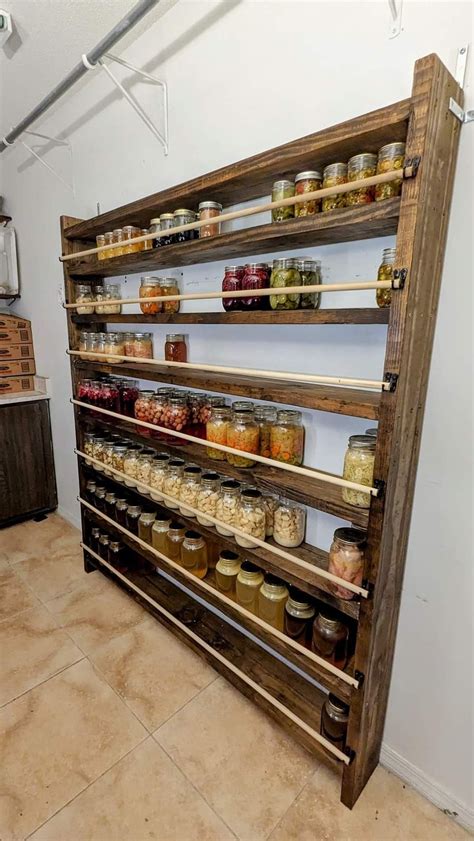
- Preserve Excess: If your garden gives you an abundance, blanch and freeze vegetables, make jams or jellies, or pickle items to enjoy your harvest long after the season ends.
Conclusion: A Culinary Journey with Your Garden
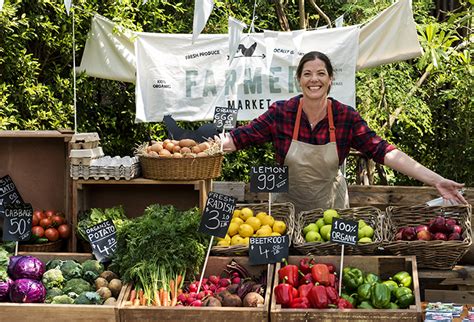
Adapting classic country recipes with seasonal garden produce is more than just cooking; it’s a celebration of abundance, a nod to tradition, and an embrace of fresh, wholesome flavors. It invites creativity into your kitchen and connects you to the bounty of the earth. So, next time you plan a meal, take a stroll through your garden or visit a local farmers’ market, and let the season guide your culinary inspiration. Your taste buds, and your family, will thank you for it.