


How to adapt classic recipes with seasonal garden bounty & real food substitutions?
Embracing Nature’s Larder: The Joy of Seasonal Adaptation
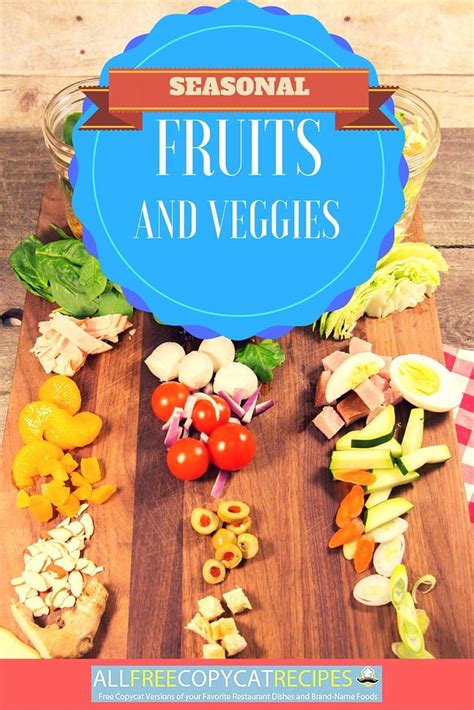
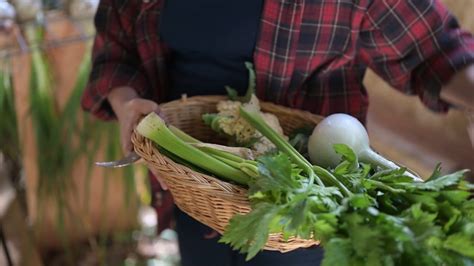
There’s a unique satisfaction in stepping into your kitchen with a basket full of freshly picked produce from your garden or local market. Pairing this vibrant seasonal bounty with beloved classic recipes, while making smart real food substitutions, not only elevates the flavor profile but also significantly boosts the nutritional value of your meals. This approach to cooking encourages creativity, reduces food waste, and connects you more deeply with the source of your food.
Why Adapt? The Benefits Beyond Taste
Beyond the undeniable freshness, adapting recipes with seasonal ingredients offers a wealth of advantages. Produce picked at its peak ripeness bursts with superior flavor, requiring fewer embellishments. Nutritionally, seasonal fruits and vegetables often contain higher concentrations of vitamins and minerals. Economically, buying in season can be significantly cheaper, especially if you’re harvesting from your own garden. Environmentally, it reduces the carbon footprint associated with long-distance transportation and supports local agriculture. Furthermore, real food substitutions replace processed ingredients with whole, unrefined alternatives, contributing to better overall health and well-being.
Decoding Seasonal Bounty and Real Food Basics
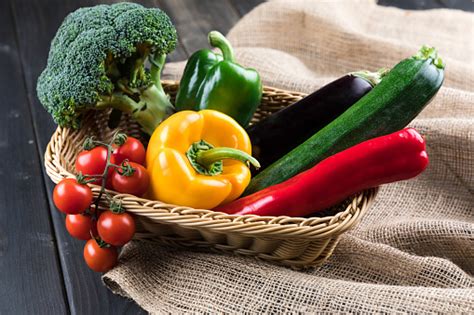
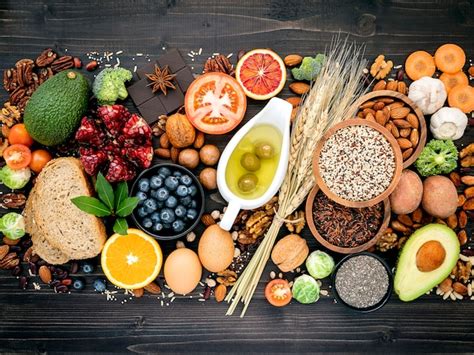
Understanding seasonal bounty means knowing which fruits and vegetables are naturally available and at their best during specific times of the year in your region. This might mean juicy tomatoes and sweet corn in summer, crisp apples and squash in autumn, root vegetables in winter, or leafy greens and berries in spring. Real food, on the other hand, refers to ingredients that are minimally processed, free from artificial additives, and as close to their natural state as possible. Think whole grains instead of refined flours, natural sweeteners like honey or maple syrup instead of high-fructose corn syrup, and homemade broths instead of bouillon cubes.
Mastering the Art of Recipe Substitution
Adapting classic recipes isn’t about discarding tradition, but enhancing it. The key is to understand the role each original ingredient plays—its flavor, texture, and function—and find a seasonal, real food counterpart that can fulfill a similar purpose or introduce an exciting new dimension.
Flavor First: Preserving the Essence
When swapping, consider the dominant flavor profile. If a recipe calls for bell peppers, and you have abundant zucchini, remember that zucchini is milder. You might need to enhance other flavors with fresh herbs, garlic, or a splash of vinegar to maintain the dish’s vibrancy.
Texture Talk: Maintaining Consistency
Texture is crucial. Replacing potatoes in a stew with sweet potatoes works well because they both offer a similar starchy body. Substituting a delicate leafy green for a hearty one might require adjusting cooking times or presentation.
Balancing Act: Adjusting Core Tastes
New ingredients can alter the overall balance of sweet, sour, salty, and bitter. If you use a sweeter seasonal fruit in a dessert, you might reduce the added sugar. Conversely, if you add more acidic ingredients, you might need a touch more sweetness or fat to round it out.

Putting It into Practice: Common Recipe Makeovers
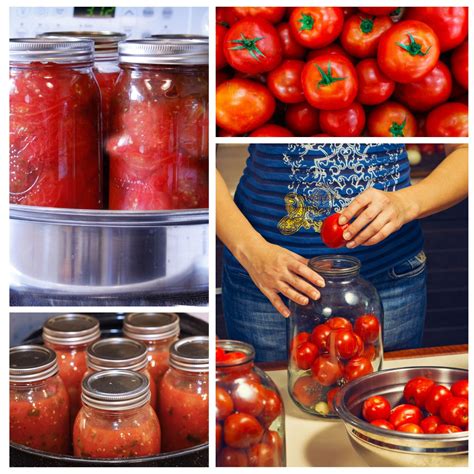
- Pasta Sauce: Instead of canned tomatoes, use sun-ripened garden tomatoes for unparalleled freshness. Add seasonal herbs like basil, oregano, and parsley. Substitute refined pasta with whole wheat or ancient grain varieties, or even spiralized zucchini noodles for a lighter option.
- Baked Goods: Transform a classic muffin or quick bread by incorporating grated zucchini, carrots, or pureed pumpkin. Swap white flour for whole wheat pastry flour or almond flour, and replace refined sugar with applesauce, mashed bananas, or a smaller amount of maple syrup.
- Soups and Stews: These are incredibly versatile. Any seasonal vegetable can find a home. Hearty winter stews can feature parsnips, turnips, and potatoes, while summer soups can highlight corn, green beans, and summer squash. Always opt for homemade bone broth or vegetable stock for a richer flavor and nutritional boost.
Tips for a Seamless Culinary Journey
Start small: Begin by swapping just one or two ingredients in a familiar recipe. Taste as you go: Constantly sample your dish to adjust seasonings and ensure the flavors are balanced. Embrace experimentation: Not every substitution will be perfect, but each attempt is a learning experience. Keep a cooking journal to note successful (and less successful) adaptations. Most importantly, enjoy the process of creating wholesome, delicious meals that celebrate the bounty around you.
Adapting classic recipes with seasonal garden bounty and real food substitutions is a rewarding journey that elevates your cooking, nourishes your body, and connects you with the natural world. It’s a delicious way to eat better, live healthier, and make every meal an act of mindful creation.