



How to adapt garden fresh vegetables to classic country recipes?
Embracing the Garden’s Bounty in Your Kitchen
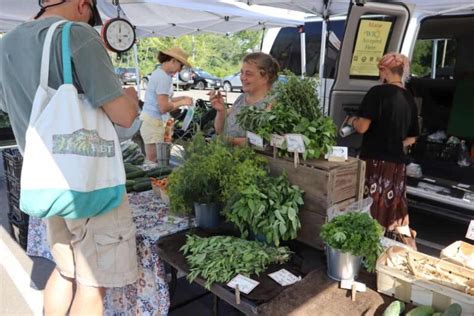
There’s a unique satisfaction in harvesting vegetables from your own garden or picking them up fresh from a local farmer’s market. Their vibrant colors, crisp textures, and unparalleled flavors are a world away from store-bought produce. But how do you bridge the gap between these pristine ingredients and the comforting, time-honored classic country recipes passed down through generations? The secret lies not in reinvention, but in thoughtful adaptation, enhancing beloved dishes with the peak freshness of your harvest.
Why Adapt Classic Recipes with Fresh Produce?
Classic country cooking is often characterized by its reliance on local, seasonal ingredients, simplicity, and hearty, satisfying flavors. Historically, these recipes made the most of what was available. Today, adapting them with garden-fresh vegetables elevates them further. You gain superior taste, enhanced nutritional value, and the joy of eating with the seasons. Freshly picked vegetables retain more nutrients, offer brighter flavors, and possess a texture that canned or frozen alternatives simply cannot match.
Understanding the Essence of Country Cooking
Many classic country dishes, from hearty stews and casseroles to simple roasted sides, are inherently flexible. They often feature a base of meat or legumes, a robust sauce, and a mix of vegetables. The key to successful adaptation is to respect the core flavors and cooking methods while introducing or substituting fresh components. Think about the role each vegetable plays: does it add sweetness, bitterness, bulk, or a specific texture? This understanding will guide your choices.

Smart Substitutions and Enhancements
Swapping Greens and Legumes
Instead of canned green beans in a casserole, blanch fresh snap beans for a brighter crunch. For a pot of ham and beans, consider adding a handful of freshly chopped collards or turnip greens during the last 20 minutes of cooking for vibrant color and a peppery bite. Fresh shell peas or lima beans can replace frozen ones, offering a sweeter, more tender result.
Upgrading Soups and Stews
A classic beef stew or chicken and dumplings can be transformed with fresh root vegetables. Think about adding freshly dug carrots, parsnips, or turnips instead of just potatoes. Late-season tomatoes, diced and added near the end, will bring a burst of acidity and freshness to a long-simmered chili or vegetable soup that canned tomatoes can’t replicate. Fresh corn kernels scraped from the cob are a revelation in a chowder.

Reimagining Casseroles and Bakes
Casseroles are incredibly versatile. If a recipe calls for canned creamed corn, try a lighter version with fresh corn kernels, a touch of cream, and garden herbs. Zucchini, bell peppers, and eggplant can be layered into a gratin or baked dish, bringing moisture and flavor. Consider roasting fresh broccoli or cauliflower before adding it to a cheesy bake for deeper flavor and a tender-crisp texture.
Tips for Seamless Integration
- Taste as You Go: Fresh vegetables vary in intensity. Taste your dish and adjust seasonings accordingly.
- Consider Cooking Times: Garden-fresh vegetables often cook faster than their canned or frozen counterparts. Add them later in the cooking process to prevent mushiness, especially for tender greens or delicate squash.
- Embrace Herbs: Fresh herbs from the garden – parsley, chives, thyme, basil – are game-changers. Add them generously towards the end of cooking for maximum impact.
- Don’t Be Afraid to Experiment: If you have an abundance of a particular vegetable, think about how its flavor profile might complement an existing recipe. A fresh beet, grated into a savory bread pudding, or shredded cucumber in a chicken salad are delightful surprises.

Beyond Savory: Sweet Adaptations
Don’t forget the dessert course! Fresh berries, peaches, apples, and rhubarb from the garden are unparalleled in pies, cobblers, and crumbles. Replace canned fruit fillings with fresh, slightly sweetened versions for a dessert that truly sings of the season. A simple country apple pie, made with crisp, tart apples straight from the tree, is an entirely different experience.
The Heart of Homestyle Cooking
Adapting classic country recipes with garden-fresh vegetables isn’t just about healthier eating; it’s about reconnecting with the roots of cooking. It’s about celebrating seasonality, supporting local produce (even if your “local” is your backyard), and bringing vibrant, honest flavors to your family table. Embrace the bounty, experiment with confidence, and enjoy the delicious results of your culinary creativity.