How to adapt garden glut recipes for small-batch canning, preserving fresh flavor?
Embracing the Harvest: The Joy of Small-Batch Canning
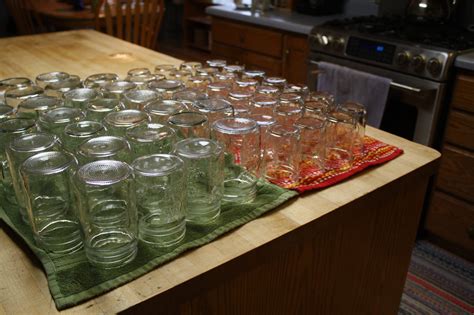
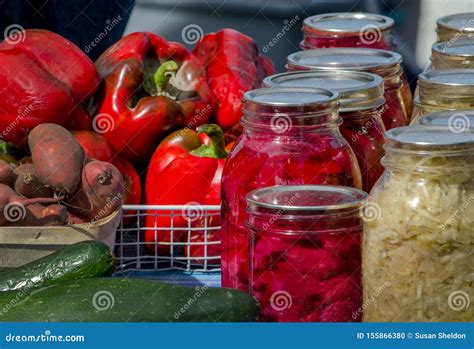
The bounty of a garden can be both a blessing and a challenge. When your zucchini patch explodes or your tomato plants are overflowing, the thought of letting that fresh produce go to waste is disheartening. While large-scale canning can seem intimidating and time-consuming, adapting your favorite garden glut recipes for small-batch canning is an incredibly rewarding way to preserve fresh flavors without overwhelming your kitchen or your schedule.
Small-batch canning offers flexibility, allows for experimentation with various recipes, and ensures that your pantry is stocked with homemade goodness throughout the year. It’s the perfect solution for busy gardeners or those new to home preservation.
Why Small-Batch Canning is Your Garden’s Best Friend
Opting for smaller batches brings several advantages:
- Less Intimidating: You don’t need dozens of jars or a massive canner. A few pints or quarts can be processed in a standard stockpot.
- Variety: Process a diverse range of items from your garden instead of being committed to one large batch of pickles. You can make a few jars of jam, some salsa, and a batch of dilly beans all in one day.
- Quick Turnaround: Smaller quantities mean less prep time and shorter processing times, fitting easily into a busy afternoon.
- Reduced Waste: Only preserve what you can handle, ensuring every ripe tomato or cucumber finds a purpose.
Key Considerations for Adapting Recipes
Adapting recipes for smaller quantities requires a bit of culinary savvy, especially when it comes to food safety in canning.
Scaling Down Safely
When halving or quartering a recipe, remember that it’s not always a simple mathematical reduction, particularly for ingredients crucial to canning safety.
- Acidity is King: For water bath canning, the acidity level (pH) is paramount for preventing spoilage and bacterial growth (like botulism). Never reduce the amount of vinegar, lemon juice, or other acidic ingredients in a tested canning recipe, even when scaling down. If a recipe calls for 2 cups of vinegar, and you halve the recipe, you still need to ensure the final product reaches the safe pH level. It’s often safer to stick to the original acidic liquid ratios, adjusting only the produce and other non-acidic components proportionally.
- Proportionality: While acidic ingredients remain constant, you can proportionally reduce fruits, vegetables, sugar, and spices. For instance, if a recipe calls for 10 lbs of cucumbers and 5 cups of vinegar solution, and you want to make a quarter batch, aim for 2.5 lbs of cucumbers and 5 cups of vinegar solution (or enough to cover your smaller quantity of cucumbers and achieve proper headspace).
- Ingredients Quality: Always use the freshest, highest-quality produce. Overripe, bruised, or damaged produce can affect both flavor and safety.
Adjusting Flavors and Textures
- Spices and Herbs: These can be scaled down proportionally, but taste testing is crucial. Herbs and spices can become more concentrated after canning. Start with a conservative amount and adjust to your preference.
- Liquids (Brines, Syrups): Ensure there’s always enough liquid to fully cover your produce in the jars, allowing for proper headspace. The amount of liquid needed might not reduce as much as the produce itself if you’re using fewer, larger pieces.
- Pectin in Jams/Jellies: When reducing fruit for jams or jellies, ensure you’re using the correct amount of pectin for the scaled-down fruit quantity, especially if using powdered pectin. Liquid pectin is less forgiving for scale changes; follow package directions carefully.
Essential Tools for the Small-Batch Canner
You don’t need a professional setup to get started:
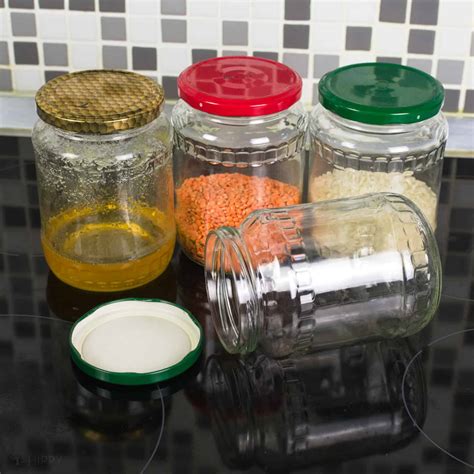
- Smaller Jars: Pint or half-pint jars are perfect for small batches.
- Stock Pot: A large stockpot with a rack (or even a few canning rings) at the bottom can serve as an excellent water bath canner.
- Basic Canning Tools: A jar lifter, canning funnel, and headspace tool are inexpensive but invaluable.
- Reliable Scale: For accurate scaling of produce, especially important for recipes that specify weights.
Step-by-Step Adaptation Examples
Pickles and Relishes
The key here is maintaining the brine ratio. If a recipe calls for 1 part vinegar to 1 part water, maintain that 1:1 ratio, regardless of how much produce you’re using. If you have 2 lbs of cucumbers instead of 5, make enough brine (following the original ratio) to fill your smaller number of jars.
Example: Dill Pickles
Original: 5 lbs cucumbers, 5 cups vinegar, 5 cups water, 1/2 cup salt, dill, garlic.
Small-batch: 2 lbs cucumbers, 5 cups vinegar, 5 cups water (you might have leftover brine, but don’t reduce the ratio), 1/4 cup salt, proportionally less dill and garlic.
Jams and Jellies
These are often easier to scale. If a recipe uses 4 cups of fruit and 4 cups of sugar, you can safely reduce to 2 cups of fruit and 2 cups of sugar, adjusting pectin according to instructions for the smaller fruit quantity.
Example: Berry Jam
Original: 6 cups berries, 6 cups sugar, 1 pouch liquid pectin.
Small-batch: 3 cups berries, 3 cups sugar, 1/2 pouch liquid pectin (or follow powdered pectin instructions for 3 cups fruit).
Tomato Sauce and Salsa
Acidity is critical for these low-acid foods. Always add lemon juice or citric acid to home-canned tomatoes, even when scaling down. The amount required is based on the jar size, not the amount of tomatoes.
Example: Crushed Tomatoes
For pint jars: 1 tbsp bottled lemon juice or 1/4 tsp citric acid per pint.
For quart jars: 2 tbsp bottled lemon juice or 1/2 tsp citric acid per quart.
This rule applies no matter how many tomatoes you are processing.
Tips for Preserving That Fresh Flavor
- Process Promptly: Can your produce as soon as possible after harvesting for peak freshness and flavor.
- Don’t Overcook: For most items, aim for just-tender, not mushy, during the pre-canning cooking phase.
- High-Quality Ingredients: Use fresh herbs, good quality vinegar, and fresh spices for the best results.
- Proper Sealing and Storage: Ensure jars are properly sealed and stored in a cool, dark place to maintain quality.
- Taste, Taste, Taste (Before Canning): Always taste your scaled-down recipe before the final canning step to adjust seasonings. Once it’s in the jar, it’s set!
Conclusion
Small-batch canning transforms the daunting task of preserving a garden glut into an enjoyable and manageable culinary adventure. By understanding the principles of safe scaling, especially regarding acidity, and using the right tools, you can confidently turn your garden’s abundance into a pantry full of flavorful, wholesome preserves. So, embrace your harvest, experiment with new recipes, and savor the taste of summer long after the growing season has ended.