


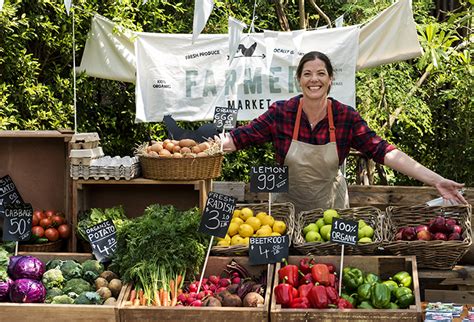

How to adapt garden harvest recipes for canning/freezing?
Transforming Fresh Harvests for Long-Term Enjoyment
The bounty of a garden is one of life’s true pleasures, but enjoying that freshness year-round requires a bit of culinary alchemy. Adapting your beloved fresh garden recipes for canning or freezing extends the season’s flavors, reduces food waste, and fills your pantry with homemade goodness. While the core ingredients remain the same, successful preservation often involves thoughtful modifications to ensure safety, quality, and deliciousness for months to come.
Key Principles for Recipe Adaptation
Before diving into specific techniques, understanding a few universal principles is crucial. Not all recipes are created equal for preservation. Those high in fat, dairy, or certain thickeners often require significant adjustments or are simply not suitable for canning due to safety risks. Freezing is generally more forgiving but can still impact texture.
Ingredient Modifications
- Fats: Reduce or eliminate fats (oils, butter) in recipes intended for canning, especially pressure canning. Fats can interfere with the heat penetration required for safe processing and can go rancid over time. For freezing, fats are less of an issue but can sometimes alter texture upon thawing.
- Thickeners: Flour, cornstarch, and other thickeners often break down or separate during canning and freezing. If a recipe calls for them, add them when reheating or serving rather than before preservation. Clearjel (modified cornstarch) is an exception, safe for canning.
- Dairy: Milk, cheese, and cream are generally not suitable for canning due to their low acidity and potential for spoilage. They can often be added after opening a canned product or upon reheating a frozen one.
- Herbs & Spices: Fresh herbs lose their potency and flavor during processing. Use dried herbs, reduce the amount, or add fresh herbs after opening/thawing. Spices generally hold up well but can sometimes mellow or intensify, so taste-test after preservation.
- Acidity: For water bath canning, proper acidity (pH of 4.6 or below) is paramount for safety. Recipes often require added lemon juice, vinegar, or citric acid, particularly for low-acid vegetables like green beans or corn.
Canning Considerations: Safety First
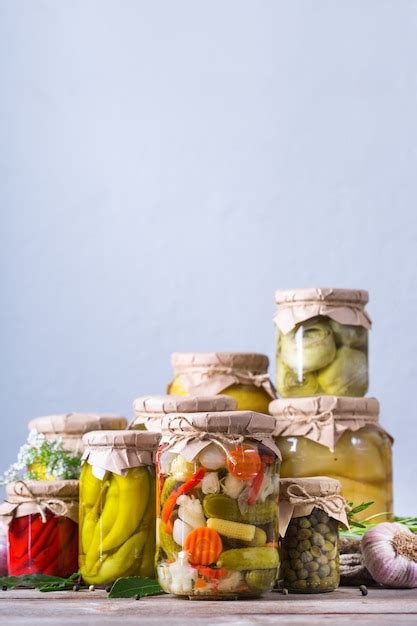
Canning, particularly water bath canning for high-acid foods and pressure canning for low-acid foods, requires strict adherence to tested recipes and guidelines. Never improvise a canning recipe; always refer to USDA-approved resources or reputable canning cookbooks.
Adapting for Canning Success
- Choose Wisely: Focus on recipes designed for canning, or those that are naturally acidic (fruits, tomatoes with added acid, pickles). Soups and stews can be pressure canned if they are low in fat and dairy and follow a tested recipe.
- Liquid Ratios: Ensure adequate liquid to solids for proper heat distribution.
- Headspace: Leave the recommended headspace in jars to allow for expansion and proper sealing.
- Processing Times: Follow recommended processing times and methods (water bath or pressure canning) precisely for your altitude.
Freezing Considerations: Maintaining Quality
Freezing is a simpler method for many foods, often retaining more of their fresh flavor and texture than canning. However, proper preparation and packaging are key to preventing freezer burn and maintaining quality.
Adapting for Freezing Success
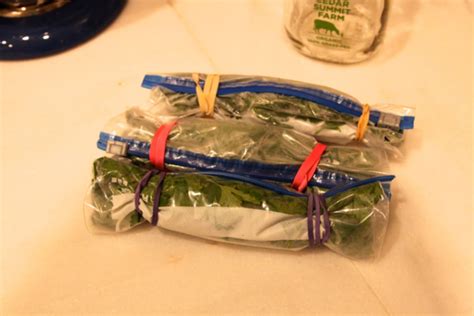
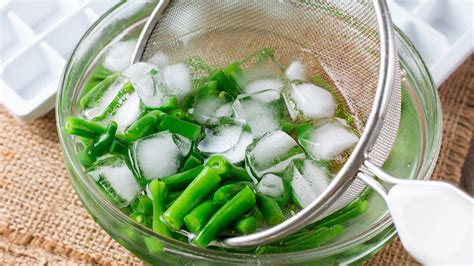
- Blanching: Most vegetables benefit from blanching (briefly cooking in boiling water, then rapidly chilling in ice water) before freezing. This inactivates enzymes that cause spoilage and flavor/color degradation.
- Cook-Ahead Meals: Soups, stews, casseroles (without dairy/cream, or add after thawing), and sauces freeze beautifully. Cool completely before packaging.
- Packaging: Use freezer-safe containers, bags, or wraps. Remove as much air as possible to prevent freezer burn. Consider portioning into meal-sized servings.
- Texture Changes: Foods with high water content (e.g., lettuce, cucumbers) do not freeze well as they become mushy upon thawing. Some cooked dishes might become slightly softer.
Popular Recipes and Their Adaptations
- Tomato Sauce: Excellent for both canning and freezing. For canning, ensure proper acidity (add lemon juice or citric acid). For freezing, simply cook down and freeze in desired portions.
- Fruit Jams & Preserves: Ideal for water bath canning. Follow tested recipes closely for pectin and sugar ratios.
- Pesto: Freezes beautifully without much adaptation. Omit cheese if you prefer to add it fresh later, or freeze with cheese for convenience. Freeze in ice cube trays for individual portions.
- Zucchini & Squash: Can be shredded and frozen for baking. For canning, only certain pickled or relished forms are recommended.
- Soups & Broths: Excellent for freezing. For pressure canning, choose low-fat, low-dairy versions and follow tested recipes carefully.
Conclusion: Enjoy Your Harvest Year-Round
Adapting your garden harvest recipes for canning and freezing opens up a world of possibilities for extending the joy of fresh, homemade food. Always prioritize safety, especially with canning, by following tested guidelines. With a little planning and careful execution, you can savor the flavors of your garden long after the last frost, bringing warmth and nutrition to your table throughout the year.