How to adapt garden harvest recipes for year-round pantry use?

The bounty of a garden harvest is one of life’s true delights, offering an explosion of fresh flavors and vibrant colors. However, the season for fresh produce is fleeting. The true art lies in extending that joy, making those peak-season flavors available throughout the year. Adapting your favorite garden harvest recipes for pantry use not only reduces waste but also provides a continuous supply of nutritious, home-prepared ingredients, ensuring your kitchen is always ready for a delicious meal.
Embracing the Why and How of Preservation
Preserving your harvest is more than just a chore; it’s an investment in future meals and a way to capture the essence of the growing season. The ‘why’ is clear: superior flavor, known ingredients, cost savings, and a comforting sense of preparedness. The ‘how’ involves understanding various preservation techniques, each suited to different types of produce and culinary goals. From the simplicity of freezing to the tradition of canning, the innovation of drying, and the health benefits of fermenting, a well-rounded preservation strategy is key.

Key Preservation Methods and Their Culinary Impact
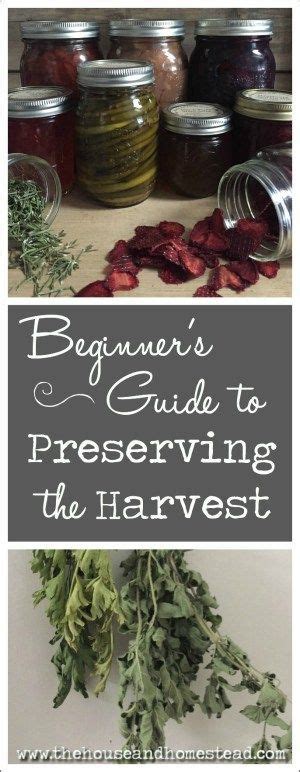
To successfully adapt recipes, you first need to master the basics of preservation. Each method changes the produce in unique ways that influence how it will perform in a dish:
- Freezing: Ideal for maintaining texture and nutrients, especially for blanched vegetables, fruit purees, or chopped herbs. Frozen items often retain much of their original character, making them easy substitutes.
- Canning: Excellent for creating shelf-stable sauces, jams, jellies, pickles, and whole fruits/vegetables in liquid. Canned goods tend to be softer in texture and may have a slightly altered flavor profile due to cooking during the canning process.
- Drying: Concentrates flavors and extends shelf life immensely for herbs, fruits, and some vegetables. Dried items require rehydration for most recipes and offer an intensified taste.
- Fermenting: Transforms vegetables into tangy, probiotic-rich foods like sauerkraut or kimchi. Fermented ingredients add a distinct sourness and complex flavor to dishes.
Understanding these transformations is the first step in successful recipe adaptation.
Swapping Fresh for Preserved: Practical Tips
The core of adapting recipes lies in knowing how to substitute fresh ingredients with their preserved counterparts while maintaining the dish’s integrity and flavor.
Adjusting for Moisture and Texture
- Frozen Vegetables: When using frozen vegetables in soups, stews, or stir-fries, add them towards the end of cooking to prevent them from becoming mushy. No need to thaw most of the time; simply add them straight from the freezer. They will release water, so adjust liquids in your recipe accordingly.
- Canned Goods: Canned tomatoes, beans, or fruits come packed in liquid. Drain thoroughly if you want to avoid excess moisture, or incorporate the liquid for extra flavor and nutrients, adjusting other liquids in the recipe. Their soft texture means they integrate well into sauces, casseroles, and baked goods.
- Dried Ingredients: Dried herbs are more potent than fresh; use about one-third of the amount. Dried fruits and vegetables (like sun-dried tomatoes or mushrooms) usually require rehydration in warm water or broth before use, which also helps to plump them up and restore some texture.

Flavor Considerations
- Acidity: Canned goods, especially tomatoes and pickles, can be more acidic. Balance with a touch of sugar or baking soda if needed.
- Salt: Many preserved foods (pickles, some canned vegetables) are higher in sodium. Taste your dish before adding extra salt.
- Concentration: Dried ingredients have concentrated flavors. Start with a smaller amount and add more to taste.
Recipe Transformation Ideas for Your Pantry
Let’s put these tips into practice with some common garden harvests:
Tomatoes
Fresh summer tomatoes are wonderful, but imagine transforming them into canned diced tomatoes, crushed tomatoes, or pasta sauce. A simple fresh tomato bruschetta can become a year-round delight using drained canned diced tomatoes, perhaps sautéed quickly with garlic and basil. A fresh tomato salsa turns into a pantry staple when made with canned tomatoes, allowing you to enjoy vibrant flavors even in winter.
Peppers
Roast and freeze bell peppers for quick fajitas or add them to winter stews. Hot peppers can be dried for chili flakes or pickled for a fiery condiment that lasts for months. A recipe calling for fresh bell peppers in a frittata can easily use frozen roasted peppers, adding depth of flavor without extra effort.

Berries and Fruits
Fresh berries are delightful, but their season is short. Freeze them for smoothies or bake directly into muffins. Canning creates delicious jams, jellies, or fruit pie fillings. A fresh fruit crisp recipe adapts perfectly by using a mix of frozen and canned fruits, offering a comforting dessert any time of year.
Greens and Herbs
Spinach, kale, and collards can be blanched and frozen for use in cooked dishes like quiches or casseroles. Fresh herbs can be dried, frozen in oil, or made into pesto and frozen in ice cube trays. A pasta dish calling for fresh spinach and basil can be recreated with frozen blanched spinach and cubes of frozen pesto, maintaining much of the original flavor.
Maximizing Your Pantry Potential
Beyond individual ingredient swaps, consider building foundational pantry items that streamline year-round cooking. This includes making large batches of tomato sauce, vegetable stock from scraps, compound butters infused with herbs, or a variety of pickles. Proper labeling and rotation of your pantry items are crucial to ensure freshness and prevent waste.

Adapting garden harvest recipes for year-round pantry use is a rewarding journey that connects you more deeply with your food. It’s about more than just preservation; it’s about culinary creativity, resourcefulness, and the enduring pleasure of enjoying your garden’s gifts long after the growing season has ended. Experiment, taste, and enjoy the satisfaction of a well-stocked pantry ready to inspire delicious meals any day of the year.