How to adapt grandma’s handwritten heritage recipes for modern ingredients & methods?

Grandma’s handwritten recipe cards are more than just instructions; they’re heirlooms, whispers from the past filled with love, tradition, and delicious memories. But bringing those cherished flavors into the 21st century can be a delightful challenge. From deciphering faded script to substituting vanished ingredients and adapting to modern kitchens, there’s an art to preserving culinary heritage. This guide will walk you through the steps to successfully update those beloved family recipes, ensuring their legacy continues to nourish future generations.
Deciphering the Culinary Cryptic: Understanding Old Instructions
Often, older recipes assume a certain level of cooking knowledge or common pantry items that are no longer standard. Measurements might be vague (“a knob of butter,” “flour to make a soft dough”), and cooking times or temperatures might be absent or specified for outdated appliances. Your first step is to become a culinary detective.
- Measurements: Research historical measurement equivalents. “Cups” might have been smaller, “pinches” larger. For vague amounts, use your best judgment, starting with conservative estimates and adjusting.
- Terminology: “Cream” might mean beating butter and sugar until light and fluffy, not just combining. “Quick oven” usually refers to a hot oven (around 400-425°F or 200-220°C).
- Pantry Staples: Ingredients like lard, rendered bacon fat, or specific types of flour were once commonplace. Be prepared to research modern equivalents.
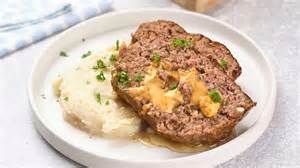
Ingredient Evolution: Smart Substitutions for Modern Pantries
Many ingredients that were once staples are now rare, expensive, or have fallen out of favor due to health trends. Modern pantries offer a vast array of alternatives.
- Fats: Lard or shortening can often be replaced with unsalted butter (for flavor) or vegetable shortening (for texture, especially in pastry). Consider the flavor profile – if lard was key to the taste, a blend might be better.
- Flours: “Plain flour” was often a softer, lower-protein all-purpose flour. Modern all-purpose flour might yield a slightly tougher result. For delicate baked goods, consider a combination of all-purpose and cake flour, or a low-protein pastry flour.
- Sugars: Old recipes often used granulated sugar extensively. You might reduce the sugar content by 15-25% without significantly altering the taste, or experiment with natural sweeteners like honey or maple syrup (adjusting liquids in the recipe).
- Spices & Herbs: Freshly ground spices or dried herbs have much more potency than those sitting in a pantry for years. Adjust quantities accordingly.

Method Modernization: Adapting Techniques and Tools
Our kitchens are equipped with sophisticated tools, and our understanding of food science has evolved. Leverage these advancements while respecting the original intent.
- Oven Temperatures: Modern ovens are generally more consistent. If no temperature is given, research similar recipes from the same era to get an estimate.
- Mixing: Hand-mixing was the norm. Stand mixers or food processors can speed up the process, but be careful not to overmix, especially for delicate batters.
- Food Safety: Older recipes might not emphasize refrigeration or cooking to specific internal temperatures. Always prioritize modern food safety guidelines.
- Cooking Vessels: Cast iron was common. Adapt cooking times if using lighter, more conductive bakeware.
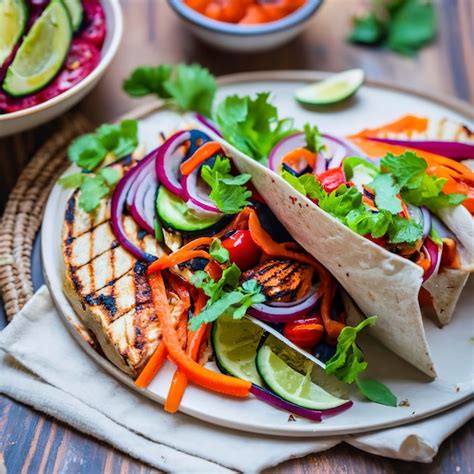
Dietary Adjustments: Making Recipes Accessible for Everyone
Today, many people have dietary restrictions or preferences. Adapting a heritage recipe can make it enjoyable for more family members.
- Gluten-Free: For baking, a 1:1 gluten-free flour blend can often be substituted, though results may vary. For savory dishes, it’s usually simpler (e.g., using cornstarch instead of flour for thickening).
- Dairy-Free: Plant-based milks, butters, and creams are excellent alternatives. Be mindful of flavor profiles.
- Vegan/Vegetarian: Replacing meats can be trickier, often requiring re-imagining the dish, but plant-based meat alternatives have come a long way. Eggs can sometimes be replaced with flax eggs or commercial substitutes.
- Reduced Sugar/Salt: As mentioned, sugar can often be reduced. Salt is crucial for flavor balance, but you can reduce added salt if the recipe is very high, relying on other seasonings.
The Art of Iteration: Test, Taste, and Take Notes
Adaptation is rarely a one-shot deal. Expect to experiment. Start with a small batch if possible. Taste frequently and critically. Did it achieve the desired texture? Is the flavor balanced? Does it evoke the memory of grandma’s dish?
Crucially, document every change you make. Create your own updated recipe card, noting the original recipe, your modifications, and the results. This will serve as your own contribution to the family’s culinary legacy.

Preserving the Spirit: More Than Just Ingredients
While adapting, remember the essence of the dish. What made it special? Was it the comforting aroma, the specific texture, or perhaps the story behind it? Strive to retain that unique character. Sometimes, the “secret ingredient” is simply the care and love poured into making it. By thoughtfully updating these precious recipes, you ensure their survival, allowing new generations to connect with their culinary roots and create new memories around the family table.