
How to adapt grandma’s handwritten recipes for modern real food kitchens?
Bringing Tradition to the Modern Plate
There’s something uniquely heartwarming about flipping through a stack of your grandmother’s handwritten recipes. Each faded card, spattered with ingredients and scribbled notes, tells a story of generations of home cooking. But while the sentiment is timeless, the ingredients and methods often reflect an era vastly different from today’s real food kitchens. Adapting these precious heirlooms for modern palates and healthier lifestyles can seem daunting, but it’s a rewarding journey that connects past and present through the universal language of food.
Deciphering the Culinary Cryptograms
Grandma’s recipes often speak in a unique culinary shorthand: “a pinch of this,” “flour until it feels right,” or vague ingredient names that are now obsolete. The first step is to become a food historian.
- Interpret Vague Measurements: A “cup” might have been smaller, a “tablespoon” less precise. Use your best judgment or look up historical measurement conversions.
- Identify Obsolete Ingredients: Some ingredients might no longer be available or are now known by different names. Research substitutes for things like specific shortenings or flours.
- Understand Old-School Techniques: “Creaming butter and sugar” before stand mixers, or “slow cooking” without an actual slow cooker, often meant more manual effort or different heat management.

Smart Ingredient Swaps for Healthier Dishes
The core of adapting old recipes for a real food kitchen lies in ingredient substitution. The goal is to replace highly processed items with whole, nutrient-dense alternatives without sacrificing the beloved flavor profile.
Sweeteners
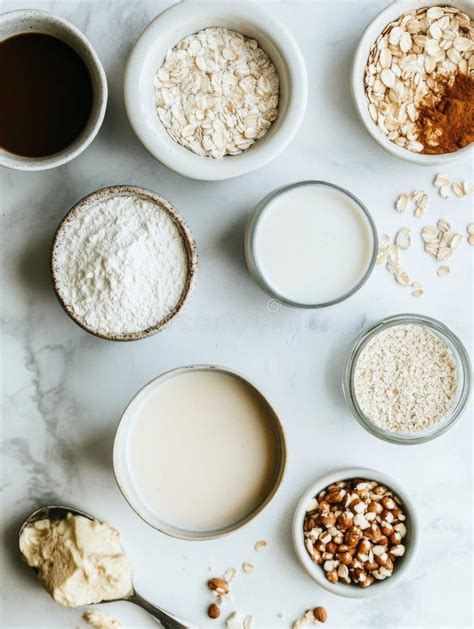
Instead of granulated white sugar, consider natural sweeteners like maple syrup, honey, coconut sugar, or date sugar. Remember that liquid sweeteners add moisture, so you might need to slightly reduce other liquids in the recipe. For every cup of granulated sugar replaced with a liquid sweetener, reduce other liquids by about 1/4 cup.
Flours
Many old recipes rely on all-purpose white flour. For whole-grain alternatives, try whole wheat pastry flour (lighter than regular whole wheat), spelt flour, or a gluten-free all-purpose blend. Gluten-free flours often require additional binders (like xanthan gum) and can alter texture, so experiment in small batches.
Fats and Oils
Replace hydrogenated shortenings or vegetable oils with healthier fats like grass-fed butter, coconut oil, avocado oil, or olive oil (for savory dishes). These fats not only offer better nutrition but also impart richer flavors.
Dairy
If a recipe calls for dairy and you prefer alternatives, unsweetened almond milk, oat milk, or coconut milk can often replace cow’s milk. For sour cream or buttermilk, cultured cashew cream or a plant-based yogurt can work wonders.
Modernizing Cooking Methods and Equipment
Grandma’s kitchen might not have had an Instant Pot or a convection oven, but yours does! Adapting techniques can save time and energy.
- Oven Temperatures: Older ovens were less precise. Modernize baking times and temperatures based on standard guidelines for similar dishes.
- Slow Cookers/Instant Pots: Braises, stews, and roasts that once simmered all day on a stovetop can often be adapted for these convenient appliances, reducing hands-on time.
- Food Processors/Blenders: Instead of manual chopping or mashing, leverage these tools for efficiency, but be mindful of over-processing.

The Art of Taste and Adjust
Adapting recipes is an iterative process. Start with small adjustments and taste as you go. For baked goods, make half-batches if possible. Keep notes on what worked and what didn’t. You might find that a recipe needs slightly more liquid, less sweetener, or a different blend of spices to truly shine with new ingredients.
Preserving the Heart of the Recipe
The goal isn’t to create an entirely new dish, but to evolve the existing one. Focus on retaining the signature flavors and textures that make the recipe special. If grandma’s cookies were known for their chewiness, aim to replicate that quality with your new ingredients. Sometimes, a small amount of the original ingredient (like a touch of brown sugar for caramel notes) can be used to achieve that authentic flavor, while the bulk of the recipe is healthier.

Documenting Your Culinary Journey
As you adapt, create your own ‘modern heirloom’ recipe collection. Write down your adjusted ingredients, measurements, and methods. Include notes on why you made certain changes and what the results were. This not only preserves your family’s culinary legacy but also provides a valuable resource for future generations who might be looking to continue the tradition of real food cooking.

Common Challenges and Solutions
- Texture Changes: Gluten-free flours can lead to crumbly or dense textures. Add extra moisture, an egg, or a binder like psyllium husk powder.
- Flavor Differences: Natural sweeteners have distinct flavors (e.g., maple’s warmth). Adjust spices to complement or balance these new notes.
- Browning: Sugars like honey or maple syrup brown faster. Reduce oven temperature slightly and cover if needed.
- Leavening: Different flours and liquids can affect how baked goods rise. You might need to adjust baking soda/powder or add a touch of acid (like apple cider vinegar).
Adapting grandma’s recipes is more than just cooking; it’s an act of love, blending respect for tradition with a commitment to health. Each successful adaptation is a testament to the enduring power of family recipes, proving that with a little creativity and culinary sleuthing, these precious heirlooms can continue to nourish and delight for many years to come.