
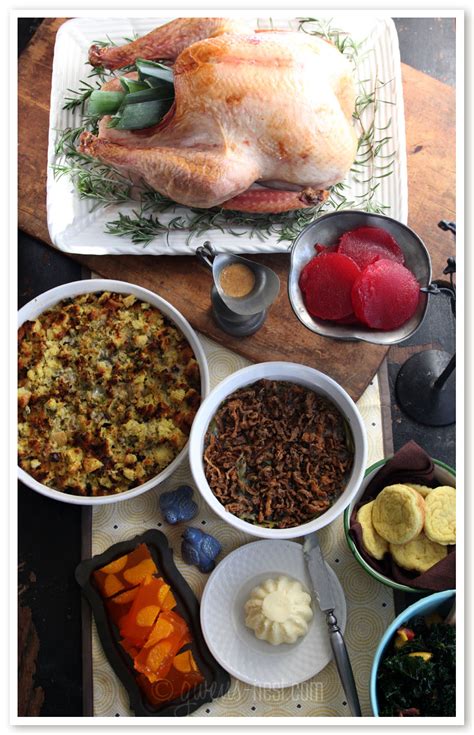
How to adapt heirloom recipes for today’s real food ingredients?
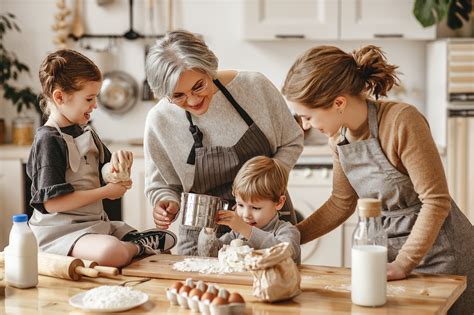
Heirloom recipes are more than just food; they are edible history, a link to our ancestors, and a taste of generations past. Yet, many beloved family dishes often rely on ingredients that have since been identified as less than ideal for our health, or simply don’t align with a modern “real food” philosophy. Adapting these treasured recipes to incorporate whole, unprocessed ingredients isn’t about erasing history, but about ensuring these culinary legacies can continue to be enjoyed, nourishing our bodies as much as they do our souls.

Understanding the “Original” Ingredients
Before you can adapt, you need to understand. Many older recipes, particularly from the mid-20th century onwards, often call for ingredients that were once considered convenient or cutting-edge but are now seen as highly processed. This includes items like refined white sugar, hydrogenated shortenings, canned cream soups, instant gravies, and bleached all-purpose flour. Identifying these specific ingredients is the first step towards a successful real food transformation.

Key Areas for Real Food Swaps
Focus on the most impactful substitutions first. Here are common culprits and their healthier, real food alternatives:
Sweeteners
Original: White granulated sugar, corn syrup, powdered sugar.
Real Food Swap: Maple syrup, honey, coconut sugar, date sugar, stevia (in moderation if preferred). When substituting liquid sweeteners for granulated sugar, you may need to reduce other liquids in the recipe by about a quarter cup per cup of liquid sweetener, and often reduce the overall quantity of sweetener as natural options are typically more potent. Remember, reducing the overall sweetness can also allow other flavors to shine through.

Fats and Oils
Original: Shortening, margarine, vegetable oil (canola, soybean).
Real Food Swap: Unsalted butter (preferably grass-fed), coconut oil, lard (from pastured pigs), avocado oil, olive oil (for savory dishes). These fats are less processed and offer better nutritional profiles. Be mindful of the smoke point when choosing oils for high-heat cooking.
Flours and Grains
Original: Bleached all-purpose flour.
Real Food Swap: Whole wheat flour, spelt flour, oat flour, almond flour, or a gluten-free blend. Keep in mind that whole grain flours absorb more liquid and can result in denser baked goods. You might need to increase liquid slightly or use a smaller proportion of whole grain flour blended with a lighter option. For example, replacing half of the all-purpose flour with whole wheat is a good starting point.
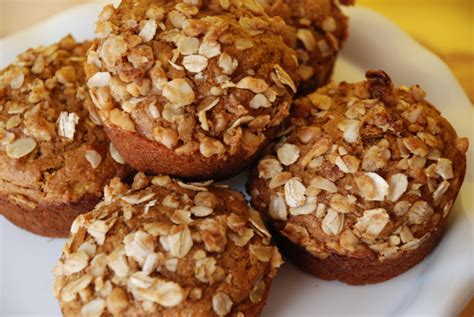
Dairy and Other Processed Ingredients
- Original: Processed cheese, canned condensed soups, conventional milk.
- Real Food Swap: High-quality aged cheeses, homemade bone broth or vegetable broth, organic whole milk or cream. For recipes calling for cream of mushroom soup, consider making a simple roux with butter and flour (or a gluten-free thickener) and adding fresh mushrooms and broth.
- Original: Packaged seasonings, artificial flavorings.
- Real Food Swap: Fresh herbs, whole spices, homemade extracts, fresh garlic and onion.
The Adaptation Process: Tips for Success
Adapting heirloom recipes is an art, not a science, and it often requires a bit of experimentation:
- Start Small: Don’t try to change every single ingredient at once. Make one or two key substitutions and see how they impact the flavor and texture.
- Adjust Quantities: Real food ingredients often have more intense flavors or different moisture content. You might need less sweetener, more seasoning, or slightly different liquid amounts.
- Taste and Adjust: This is crucial. Taste your batter, dough, or sauce before cooking (where safe) and adjust as needed.
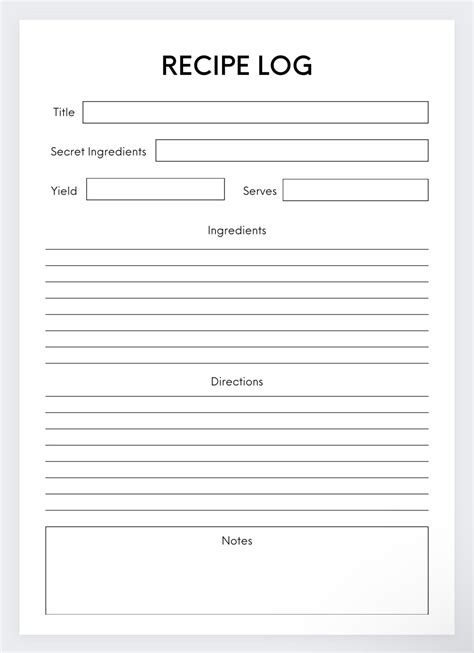
- Document Your Changes: Keep a notebook or mark your recipe cards with the substitutions and the results. This helps refine the recipe over time.
- Embrace Imperfection: The first attempt might not be exactly like grandma’s, but it can evolve into something equally delicious and healthier.
Conclusion
Adapting heirloom recipes for today’s real food ingredients is a rewarding journey that blends tradition with modern nutritional wisdom. It allows you to honor your heritage while making healthier choices for your family. With a little creativity and a willingness to experiment, you can ensure that these cherished dishes continue to grace your table for generations to come, tasting just as wonderful, if not better, and nourishing you from the inside out.