How to adapt heirloom recipes to use seasonal garden produce effectively?

Heirloom recipes are more than just instructions; they are edible stories, preserving family history and culinary traditions through generations. But what happens when the ingredients of yesteryear are not readily available, or when your garden bursts with a bounty of fresh, seasonal produce yearning to be used? The true spirit of heirloom cooking lies in its adaptability and resourcefulness. This guide will help you skillfully marry the wisdom of the past with the freshness of the present, effectively adapting your cherished family recipes to embrace seasonal garden produce.
Understanding the Heart of an Heirloom Recipe
Before you start swapping ingredients, take a moment to understand the core of your heirloom dish. What are its defining characteristics? Is it a hearty stew built around root vegetables, a delicate cake showcasing a specific fruit, or a savory pie dependent on certain spices? Identify the primary flavors, textures, and cooking methods that give the recipe its unique identity. This foundational understanding will guide your adaptations, ensuring you preserve the dish’s essence even with new ingredients.
Consider the role each original ingredient plays. Does it provide bulk, acidity, sweetness, or a unique aromatic profile? Knowing this will help you choose seasonal substitutes that fulfill a similar purpose, rather than just making a direct, unthoughtful swap.
Matching Seasonal Produce to Recipe Needs
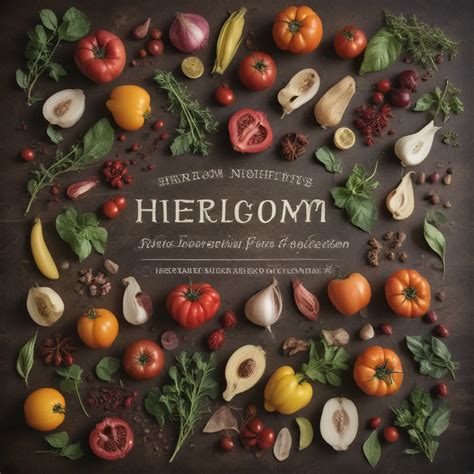
The key to successful adaptation is thoughtful substitution. Look for seasonal produce that shares characteristics with the original ingredients, or that complements the existing flavor profile. Here are some considerations:
- Texture: If a recipe calls for firm apples, a firm pear or quince might be a good seasonal swap. For leafy greens, consider whether the original called for a sturdy kale or a tender spinach, then choose a garden equivalent like Swiss chard or arugula.
- Flavor Profile: Sweetness, acidity, bitterness, and earthiness are important. If an original recipe relies on the acidity of tomatoes, a seasonal rhubarb or certain berries might offer a similar tang.
- Water Content: High-water vegetables like zucchini or cucumber can significantly alter a dish’s consistency, especially in baked goods or casseroles. You might need to adjust cooking times or drain excess liquid.
- Cooking Method: Does the original ingredient need to be roasted, braised, fried, or eaten raw? Choose seasonal produce that lends itself well to the same cooking technique.
Practical Adaptation Techniques
Direct Swaps (with minor adjustments)
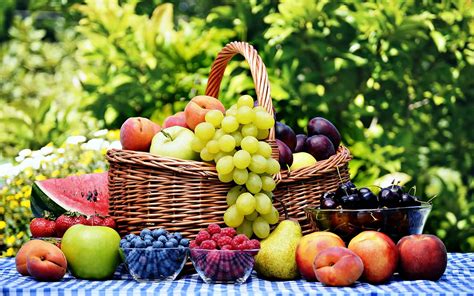
This is the most straightforward approach. For example, if a summer cobbler recipe traditionally uses peaches, you can easily substitute ripe plums, berries, or nectarines when they’re in season. For a winter stew, swap out canned beans for fresh shelling beans from the garden, or change out potatoes for different root vegetables like parsnips or sweet potatoes.
Complementary Additions
Sometimes, rather than replacing an ingredient entirely, you can simply add seasonal produce to enhance the dish. A classic meatloaf might benefit from finely grated zucchini or carrots, adding moisture and nutrients. A simple pasta sauce can be elevated with a handful of fresh basil, cherry tomatoes, or sautéed eggplant from the garden.
Adjusting Seasonings and Cooking Times
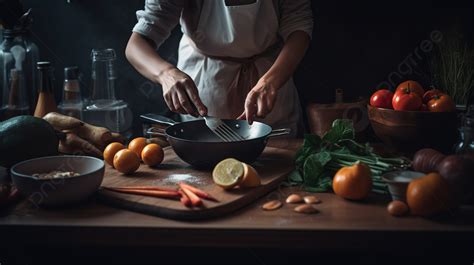
When you introduce new produce, you may need to tweak other aspects of the recipe. Sweeter vegetables might require less added sugar, while more acidic ones might need a touch more. Herbs and spices can also be adjusted to complement the new flavors. Additionally, be mindful of different cooking times. A denser root vegetable will cook longer than a tender summer squash, so adjust accordingly to prevent over or undercooking.
Tips for Successful Heirloom Evolution
- Start Small: Don’t try to overhaul an entire recipe at once. Make one or two key substitutions at a time to see how they impact the dish.
- Taste as You Go: This is crucial. Season and adjust frequently, especially when introducing ingredients with strong or unfamiliar flavors.
- Keep Notes: Document your changes! Note what worked, what didn’t, and any adjustments you made to quantities, seasonings, or cooking times. This creates your own new “heirloom” adaptations.
- Embrace Imperfection: Not every experiment will be a resounding success, and that’s perfectly fine. Cooking is an art, and adaptation is a journey of discovery.

Creating New Traditions
By thoughtfully adapting heirloom recipes with seasonal garden produce, you’re not just cooking; you’re continuing a legacy of resourcefulness, creativity, and connection to the land. You’re ensuring these cherished recipes remain relevant and vibrant for future generations, while also embracing the peak flavors and sustainability that fresh, local produce offers. So, open your recipe box, survey your garden, and embark on a delicious journey of culinary evolution.