
How to adapt heritage recipes for seasonal farm produce?

Heritage recipes are more than just instructions; they are edible heirlooms, carrying stories, traditions, and the flavors of generations past. At the same time, seasonal farm produce offers unparalleled freshness, vibrant taste, and a connection to the rhythms of nature. The art of marrying these two worlds—adapting time-honored dishes with the best of what’s local and in season—is a delightful culinary adventure that enriches both your plate and your connection to your food.
Understanding Your Culinary Roots
Before you begin adapting, it’s crucial to understand the essence of your heritage recipes. What are the core ingredients that define its character? Is it a specific spice blend, a particular cooking method, or the interplay of a few key components? Identify what makes the dish uniquely itself and what elements are more flexible. For instance, a hearty winter stew might rely on root vegetables, while a summer rendition could feature lighter, more delicate seasonal greens and fruits. Knowing the ‘why’ behind each ingredient helps you make informed substitutions without losing the soul of the dish.
Embracing the Bounty of the Season
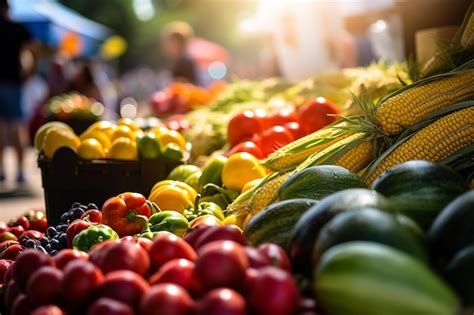
Connecting with your local farmers’ market is the first step towards successful seasonal adaptation. Familiarize yourself with what’s genuinely in season in your region. This knowledge not only ensures you get the freshest produce but also inspires new culinary directions. Think beyond common supermarket varieties; local farms often offer unique heirloom vegetables, fruits, and herbs that can add exciting new dimensions to familiar dishes. Embracing seasonal produce means working with ingredients at their peak flavor, requiring less intervention to taste delicious.
Techniques for Thoughtful Adaptation
Adapting heritage recipes isn’t about wholesale changes, but thoughtful substitutions and enhancements:
- Smart Substitutions: If a recipe calls for an out-of-season vegetable (e.g., tomatoes in winter), consider a seasonal alternative that offers a similar texture or flavor profile. For instance, roasted root vegetables can substitute for summer squash in a savory tart.
- Flavor Enhancement: Seasonal herbs (like fresh basil in summer or sage in autumn) and spices can elevate a dish without overpowering its original essence. Use them to brighten, deepen, or add a fresh nuance.
- Adjusting Cooking Methods: Fresh, seasonal produce often cooks faster and has higher water content. Be prepared to adjust cooking times and methods. A quick sauté might replace a longer braise, or roasting could bring out the sweetness of new vegetables.
- Balancing Flavors: When introducing new ingredients, taste as you go. Ensure the new additions complement the existing flavor profile rather than clashing with it. A touch of acid (lemon juice, vinegar) or sweetness (honey, maple syrup) can often bring everything into harmony.

Practical Steps for Success
To successfully integrate seasonal ingredients into your heritage recipes, start small. Perhaps begin with a side dish or a component of a larger meal. Keep notes on what worked well and what didn’t. Don’t be afraid to experiment! Culinary evolution is part of preserving tradition. Your ancestors adapted recipes based on what was available; you are simply continuing that legacy with a modern, sustainable twist.

Examples in Action
Imagine a classic beef stew passed down through generations. Traditionally made with potatoes, carrots, and parsnips, it can transform beautifully with seasonal produce. In spring, consider adding tender asparagus tips, young peas, and fresh herbs like dill or chervil towards the end of cooking. For a summer twist, try incorporating zucchini, bell peppers, and fresh corn kernels, perhaps finishing with a handful of garden-fresh basil. A winter version might lean into hearty squash, celeriac, and earthy mushrooms.
Similarly, a traditional apple pie could become a summer berry crumble, a peach cobbler, or an autumn pear and ginger tart. The basic framework (crust, fruit, sweetening) remains, but the star ingredient shifts with the seasons.

Beyond the Plate: A Deeper Connection
Adapting heritage recipes with seasonal farm produce offers benefits far beyond delicious meals. It fosters a deeper connection to your food sources, supports local economies, and reduces your environmental footprint. It encourages creativity in the kitchen and keeps traditional recipes vibrant and relevant for new generations. This practice transforms cooking from a routine chore into a mindful, seasonal celebration, honoring both the past and the present.

Conclusion
The journey of adapting heritage recipes for seasonal farm produce is a rewarding one. It’s an act of respect for culinary traditions, a nod to sustainable living, and an opportunity to create new, delicious memories. So, next time you unearth a cherished family recipe, consider how a visit to your local market could infuse it with the fresh, vibrant spirit of the season.