




How to adapt homemade recipes with simple, real food garden substitutions?

Transforming your favorite homemade recipes with fresh, homegrown ingredients is a rewarding way to elevate your cooking, boost nutrition, and connect more deeply with your food. Whether you have a sprawling garden or a few potted herbs, adapting recipes to incorporate real food substitutions from your yard is simpler than you might think. It’s about understanding the role of each ingredient and embracing a bit of culinary flexibility.
Embracing the Fresher, Flavorful Difference
Opting for garden-fresh produce over store-bought alternatives brings a vibrant burst of flavor, superior nutritional value, and often, a cost-saving benefit. The key to successful adaptation lies in a foundational understanding of your recipe’s components. Think about what a specific ingredient contributes: Is it for bulk, flavor, texture, or moisture? Once you identify its function, finding a suitable garden-grown replacement becomes much easier. This approach isn’t about rigid rules but about creative problem-solving in the kitchen.

Smart Swaps: From Greens to Roots
Many garden staples are incredibly versatile.
Leafy Greens and Herbs
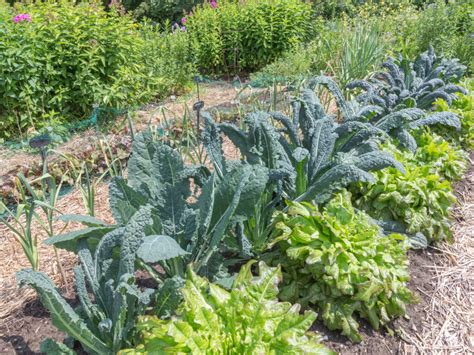
Spinach, kale, Swiss chard, or even beet greens can often be interchanged in recipes calling for cooked greens, quiches, stir-fries, or even smoothies. A handful of fresh parsley can substitute for cilantro in many dishes if the flavor profile allows, or vice-versa. Basil, oregano, thyme, and rosemary are generally interchangeable within their flavor families, though with careful consideration of their potency. If a recipe calls for dried herbs, use about three times the amount of fresh herbs for a similar intensity.
Root Vegetables
Potatoes, carrots, parsnips, and sweet potatoes are largely interchangeable in stews, roasts, and mashes, provided you account for differences in sweetness and cooking time. Turnips or rutabagas can be excellent stand-ins for potatoes, offering a slightly earthier flavor.
Fruiting Vegetables and Legumes
Tomatoes, bell peppers, zucchini, and cucumbers can often swap places depending on the dish. For example, excess zucchini can become a noodle substitute or bulk up a casserole. Fresh peas or green beans from the garden are fantastic replacements for frozen varieties in almost any context.

Fine-Tuning Your Garden-Infused Dishes
When making substitutions, it’s crucial to consider how the new ingredient might affect the dish’s overall consistency and cooking time.
Moisture Content
Garden-fresh vegetables often have higher water content than their store-bought or processed counterparts. If you’re adding watery vegetables like zucchini or tomatoes, you might need to reduce other liquids in the recipe or allow for longer cooking times to reduce excess moisture. Conversely, drier substitutions might require a splash more broth or water.
Cooking Times
Different vegetables cook at different rates. Harder root vegetables like carrots or potatoes will need more time than softer greens or zucchini. When substituting, always monitor your dish and adjust cooking times as necessary, ensuring vegetables are tender-crisp or fully cooked to your preference. Don’t be afraid to taste as you go!

Harvesting Joy: Seasonal Swaps and Storage
Adapting recipes with garden produce naturally encourages seasonal eating, which means fresher, more flavorful ingredients. Plan your meals around what’s abundant in your garden to maximize flavor and minimize food waste. If you have an abundance of a particular vegetable, consider preserving methods like freezing, canning, or drying, so you can enjoy your garden’s bounty year-round in your recipes. For instance, frozen blanched kale can be added to soups in winter, or dried herbs can spice up any dish.

Cultivating Culinary Creativity
Adapting homemade recipes with simple, real food garden substitutions is more than just cooking; it’s an act of culinary creativity and self-sufficiency. It empowers you to tailor dishes to your preferences, utilize what’s readily available, and enjoy meals bursting with peak freshness and flavor. Don’t be afraid to experiment, taste often, and let your garden inspire delicious new traditions in your kitchen. Your taste buds, and your garden, will thank you.