




How to adapt old family recipes for fresh garden ingredients?

There’s a special magic in old family recipes, a taste of history and love passed down through generations. But what happens when your garden is bursting with fresh, vibrant produce, and those traditional dishes call for canned tomatoes or out-of-season herbs? The good news is that adapting cherished recipes to incorporate your garden’s bounty isn’t just possible, it’s a fantastic way to elevate flavors, boost nutrition, and create new memories. This guide will walk you through the art of blending tradition with nature’s freshest offerings.
Why Adapt?
Beyond the sheer joy of eating produce you’ve grown yourself, adapting recipes offers numerous benefits. Freshly picked ingredients deliver unparalleled flavor and texture, often requiring less seasoning. They are also packed with more nutrients than their store-bought or preserved counterparts. Furthermore, cooking with what’s in season reduces your carbon footprint and encourages a deeper connection to your food source. It’s a culinary journey that celebrates both heritage and sustainability.
Understanding Your Ingredients
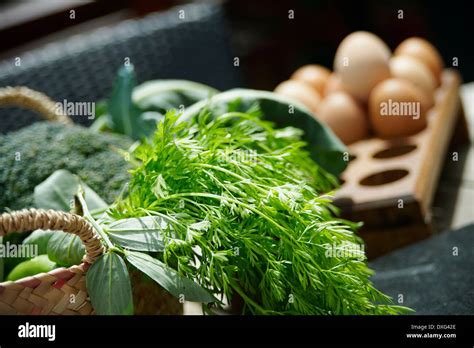
Before you start swapping, it’s crucial to understand both your original recipe’s components and your garden’s offerings. Consider the flavor profile, texture, and moisture content of each ingredient. Are you replacing a sweet tomato with a tart one? Is your fresh basil more potent than dried? Knowing these nuances will help you make informed substitutions.
Pay attention to the seasonality of your garden. A ripe, juicy summer tomato will behave differently than a denser, less watery winter variety. Similarly, delicate leafy greens like spinach or lettuce are best added late in the cooking process, while root vegetables like carrots or potatoes can withstand longer cooking times.

Key Adaptation Techniques
Swapping and Substituting
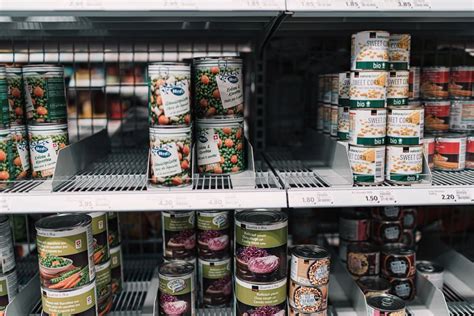
This is perhaps the most straightforward technique. If a recipe calls for canned green beans, replace them with fresh, blanched ones. A jar of roasted red peppers can easily be swapped for freshly roasted bell peppers from your garden. Be mindful of moisture content – fresh vegetables often release more water, which might require a slight reduction in other liquids or a longer cooking time to achieve the desired consistency.
Adjusting Quantities and Cooking Times
Fresh herbs are often more potent than dried, so you might need to use a smaller quantity. Conversely, leafy greens like spinach or kale cook down significantly, so you’ll need more fresh greens than you might expect for a recipe that originally called for frozen or pre-cooked greens. Adjust cooking times accordingly; fresh vegetables typically cook faster than frozen or dried ones. For instance, fresh peas will need less time than frozen peas.
Enhancing Flavor
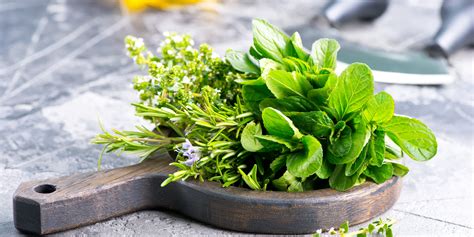
Fresh ingredients are naturally flavorful, so you might find you need less salt, sugar, or fat. Let the natural sweetness of carrots or the vibrant acidity of tomatoes shine through. Consider adding fresh herbs at the very end of cooking to preserve their bright flavors and aromas, or use them as a garnish to add a pop of freshness.
Case Studies in Adaptation
Let’s consider a few examples. For a classic pasta sauce, swap canned tomatoes for a medley of fresh, ripe garden tomatoes – perhaps a mix of cherry, Roma, and beefsteak varieties. You might need to simmer it a bit longer to reduce the extra liquid and intensify the flavor. For a traditional stew, replace store-bought potatoes and carrots with freshly dug ones, adjusting the chopping size for even cooking. If your family makes a summer fruit pie, use your homegrown berries and peaches, perhaps even reducing the sugar slightly to let their natural sweetness be the star.
Tips for Success
Start small. Choose one or two ingredients to swap in a beloved recipe. Taste as you go, and don’t be afraid to experiment. Keep a notebook of your adaptations – what worked, what didn’t, and why. Remember that cooking is an art, not a precise science, especially when dealing with the variable nature of garden produce. Most importantly, have fun with it! Your family will appreciate the effort and the delicious, fresh results.

Integrating your garden’s bounty into old family recipes is a rewarding endeavor that breathes new life into tradition. It’s an opportunity to connect with your food, honor your heritage, and enjoy meals that are bursting with freshness and flavor. So, grab your harvest basket, consult those treasured recipes, and embark on a delicious journey of culinary adaptation.