



How to adapt old family recipes for fresh garden produce & modern palates?

Old family recipes are more than just instructions; they are edible heirlooms, carrying stories, memories, and the love of generations. However, as our palates evolve, dietary knowledge grows, and the bounty of a fresh garden beckons, these cherished dishes sometimes need a little tweak to truly shine in a modern kitchen. The good news is that adapting them isn’t about discarding tradition, but about enriching it, ensuring these culinary legacies continue to be enjoyed by future generations.
The Timeless Appeal Meets Modern Living
Why should we bother adapting recipes that have stood the test of time? For many, the motivation comes from a desire for healthier eating, utilizing seasonal produce at its peak, or simply embracing culinary creativity. Modern palates often prefer lighter, brighter flavors, with less reliance on heavy fats and sugars that were once staples. Adapting allows us to keep the soul of the dish while making it more relevant to today’s lifestyle.
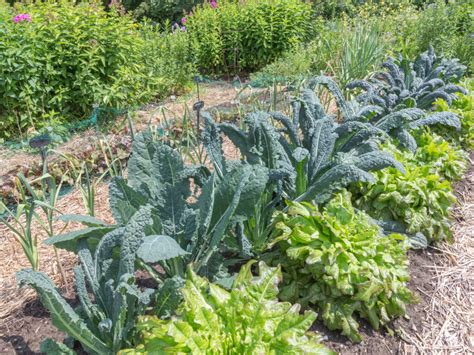
Moreover, connecting with our food sources, especially from a home garden, adds an unparalleled layer of freshness and flavor. Integrating your own tomatoes, herbs, or greens into a dish passed down through generations creates a beautiful bridge between past and present, making the food even more personal and meaningful.

Integrating Garden Harvests Seamlessly
The first step in adapting often involves substituting store-bought or processed ingredients with fresh, garden-grown alternatives. If a recipe calls for canned tomatoes, imagine the vibrant taste of sun-ripened heirlooms from your garden. Replace dried herbs with fresh, aromatic counterparts for an instant flavor uplift. A dash of fresh basil or parsley can transform a sauce or stew.
Don’t just think about direct substitutions. Consider how fresh produce can enhance the dish. Wilted spinach or chard can be added to pasta sauces, soups, or even meatloaves. Root vegetables like carrots and parsnips, often sweeter and more tender when fresh, can elevate roasts or stews. Even seemingly minor additions can impart a depth and freshness that processed ingredients simply can’t match.
When incorporating fresh produce, remember its water content and cooking time might differ. You may need to adjust liquids or cooking durations slightly. For example, fresh squash releases more water than frozen, potentially requiring less added broth or a longer simmer to thicken.

Updating for Contemporary Tastes & Health
Many traditional recipes were developed in times when fat and sugar were seen as necessary for energy and flavor. Modern dietary science, however, advises moderation. To lighten a dish, consider reducing the amount of butter, cream, or sugar. Often, you can replace a portion of these with healthier fats like olive oil or natural sweeteners like honey or maple syrup, or simply rely on the natural sweetness of vegetables.
Modern palates also appreciate a wider range of flavors. Introduce new spices, a squeeze of fresh lemon juice, or a hint of vinegar to brighten and balance rich dishes. Instead of heavy roux-based sauces, experiment with vegetable purées or cornstarch slurries for thickening. Grilling, roasting, or steaming vegetables can replace pan-frying, reducing oil while intensifying natural flavors.
Don’t be afraid to incorporate global influences. A touch of smoked paprika in a stew, a hint of ginger in a roasted chicken, or a sprinkle of cumin in a bean dish can add an exciting new dimension without overwhelming the original spirit of the recipe. The goal is to evolve the flavor profile, not erase it.

Practical Steps for Successful Recipe Evolution
Embarking on this culinary journey requires a thoughtful approach. Start small; don’t overhaul an entire recipe in one go. Pick one or two ingredients to swap, or try reducing a single component like salt or sugar. This allows you to understand the impact of your changes gradually.
Taste, taste, taste! As you make adjustments, continuously sample the dish. Our palates are the ultimate guide. What tastes balanced to one person might be bland to another, so adjust to your family’s preferences. Remember that fresh ingredients often have more intense flavors, so you might need less seasoning overall.
Finally, document your changes. Keep a journal or simply make notes directly in your family recipe book. This creates a new layer of culinary history, detailing how you adapted the recipe and why. These notes will be invaluable for replicating successful experiments and for future generations who might wish to continue the adaptation.

Preserving the Heart, Evolving the Form
The true art of adapting old family recipes lies in preserving their essence. What made the original dish special? Was it the comforting aroma, a particular spice blend, or the way it brought the family together? Focus on retaining those core elements while making necessary updates. The goal isn’t to create an entirely new dish, but to present an updated, vibrant version of a beloved classic.
Embrace the process as a form of culinary storytelling. Each adaptation adds a new chapter to the recipe’s history, reflecting the times, the ingredients available, and your personal touch. Share your experiments with family and friends, gather their feedback, and let these conversations enrich the experience.

Adapting old family recipes for fresh garden produce and modern palates is a rewarding endeavor. It’s an act of respect for tradition, a nod to contemporary health and sustainability, and a creative expression of your own culinary journey. By thoughtfully tweaking these precious recipes, you ensure they remain cherished, delicious, and relevant for many more generations to come.