How to adapt old family recipes for modern real food cooking?

Family recipes are more than just instructions; they are edible heirlooms, imbued with memories, traditions, and the love of generations past. The aroma of Grandma’s apple pie or Aunt Carol’s pot roast can transport us back in time, offering a comforting embrace. However, as our understanding of nutrition evolves, many cherished recipes often feature ingredients – like refined sugars, unhealthy fats, and processed flours – that no longer align with a modern real food lifestyle. The good news is you don’t have to choose between heritage and health. With a few thoughtful adaptations, you can transform these culinary treasures into dishes that are both delicious and nourishing.

Understanding the “Why” Behind Adaptation
Before diving into specific swaps, it’s helpful to understand why certain ingredients from older recipes might need an update. Many traditional recipes predate the widespread awareness of issues like inflammation, blood sugar regulation, and the importance of nutrient density. Ingredients once considered staples, like Crisco, margarine, or copious amounts of white sugar, are now known to contribute to various health concerns. Adapting these recipes isn’t about shaming the past but about empowering ourselves to enjoy our favorite foods in a way that supports our well-being today.
Key Principles for Modernizing Ingredients
The core of adapting old recipes lies in making smart, real food ingredient substitutions. The goal is to replace highly processed items with whole, nutrient-dense alternatives while maintaining the dish’s essential character and flavor profile. Here are the main areas to focus on:
1. Swapping Unhealthy Fats for Wholesome Alternatives
Many vintage recipes call for hydrogenated shortenings or margarines. These are often high in trans fats and heavily processed. Replace them with:
- Butter: Opt for grass-fed butter for superior flavor and nutrients.
- Coconut Oil: Great for baking and sautéing, adds a subtle sweetness.
- Avocado Oil:G A neutral-flavored oil excellent for high-heat cooking and dressings.
- Olive Oil: Best for lower-heat cooking, dressings, and finishing dishes.
2. Reducing Refined Sugars and Using Natural Sweeteners
Old recipes can be sugar bombs! Gradual reduction and intelligent swaps are key.
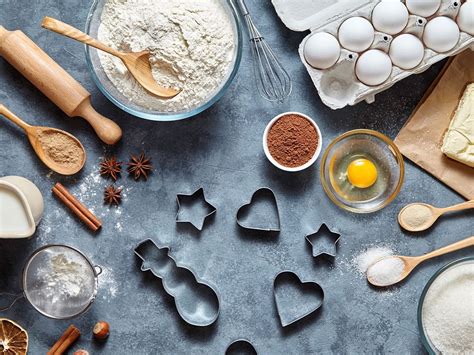
- Maple Syrup or Honey: Use about 2/3 to 3/4 the amount of sugar called for, and reduce other liquids slightly.
- Dates or Date Paste: Excellent for adding natural sweetness and fiber to baked goods or sauces.
- Fruit Purees: Applesauce or mashed bananas can replace some sugar and add moisture.
- Stevia or Monk Fruit (in moderation): For very low-carb adaptations, but be mindful of potential aftertastes.
3. Embracing Whole Grains and Alternative Flours
White all-purpose flour lacks fiber and nutrients. Explore alternatives:
- Whole Wheat Flour: Can often be swapped 1:1 in many recipes, though it might yield a denser texture. Start with a 50/50 blend.
- Spelt Flour: A lighter whole grain alternative with a slightly nutty flavor.
- Almond Flour: Great for gluten-free baking, though it absorbs more liquid and requires more binders.
- Oat Flour: (Make from rolled oats) A good gluten-free option that adds a chewy texture.
- Cassava Flour: A versatile gluten-free flour that can mimic wheat flour’s texture well in some applications.
4. Boosting Nutrients and Flavor with Vegetables and Spices
This is where you can truly make a dish shine nutritionally without sacrificing taste.
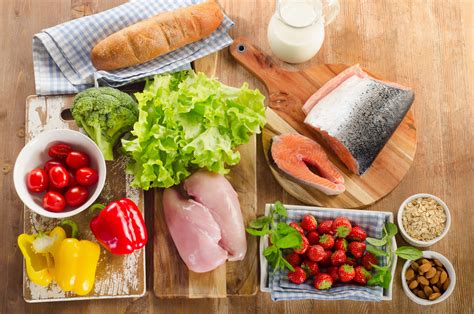
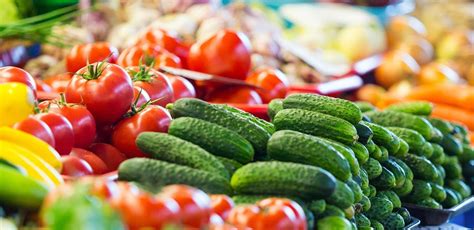
- Sneak in Veggies: Add grated zucchini to meatloaf, pureed pumpkin to mac and cheese, or finely chopped spinach to casseroles.
- Herbs and Spices: Enhance flavors naturally, reducing the need for excessive salt or sugar. Don’t be afraid to experiment with your spice rack.
- Bone Broth: Replace water or commercial broth in soups, stews, and sauces for added collagen and minerals.
Tips for Successful Adaptation
- Start Small: Don’t try to overhaul a complex recipe all at once. Pick one or two ingredient swaps to start.
- Taste and Adjust: The beauty of cooking is adjustment. Taste as you go, especially when reducing sugar or salt.
- Document Your Changes: Keep a running log of what you changed and the results. This helps refine the recipe over time.
- Embrace Imperfection: The first attempt might not be perfect. That’s okay! It’s part of the journey.
- Understand the Role: For baking, understand the role of each ingredient (e.g., sugar for moisture and browning, not just sweetness).

Preserving the Essence
The goal isn’t to erase the original recipe but to honor it while making it healthier. Focus on preserving the signature flavors and textures that make the dish special. Often, a few simple swaps are all it takes to bring an old classic into the modern real food kitchen. You’ll find immense satisfaction in knowing you can enjoy your family’s culinary heritage guilt-free, passing on not just delicious food, but also a legacy of health and conscious eating to future generations.