

How to adapt old family recipes for real food, seasonal country cooking?

Revitalizing Culinary Heritage for Modern, Wholesome Living
Cooking is a powerful way to connect with our past, keeping family traditions alive through the flavors and aromas that filled our ancestors’ kitchens. However, many cherished old family recipes, while rich in history and comfort, often rely on ingredients and methods that don’t quite align with today’s “real food,” seasonal, and country cooking philosophies. This article will guide you through the art of adapting these culinary heirlooms, transforming them into wholesome, vibrant dishes that celebrate both tradition and modern nutritional wisdom.
The Essence of Real Food and Seasonal Eating
“Real food” isn’t just a buzzword; it’s a philosophy centered on whole, unprocessed or minimally processed ingredients. When adapting old recipes, this means replacing refined sugars with natural sweeteners, swapping hydrogenated oils for healthy fats, and opting for whole grains over refined flour. Think fresh produce, ethically sourced meats, and dairy in its most natural form. The goal is to nourish your body while still enjoying the comforting tastes of yesteryear.
Embracing Nature’s Calendar: Seasonal Country Cooking
Seasonal eating is at the heart of country cooking. It means utilizing ingredients at their peak ripeness and abundance, which not only enhances flavor but also supports local economies and reduces your environmental footprint. Adapting a recipe often involves looking at its core ingredients and asking: “What would be in season right now that could elevate this dish?”
Ingredient Adaptations: Healthier Choices, Authentic Flavor
The key to successful adaptation lies in making smart substitutions without sacrificing the dish’s soul. Here are some common areas to consider:
Fats and Oils
Many older recipes call for shortening, margarine, or other highly processed fats. Replace these with healthier alternatives like butter (grass-fed if possible), lard, tallow, olive oil, or avocado oil. These fats not only offer better nutritional profiles but often impart superior flavor and texture.
Sweeteners
White granulated sugar was a staple. Consider reducing the total amount of sweetener and substituting with natural options like maple syrup, honey, coconut sugar, or date paste. Adjust liquids and baking times as natural sweeteners behave differently.
Flours and Grains
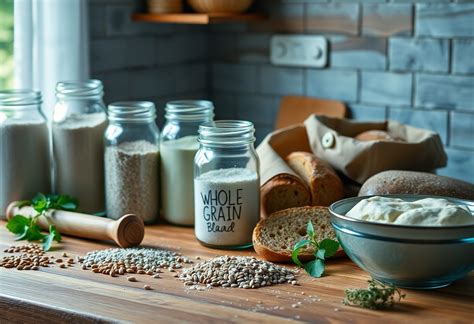
All-purpose flour can often be swapped, in part or whole, with whole wheat flour, spelt flour, or even gluten-free alternatives like almond or oat flour, depending on the recipe’s structure. For thicker sauces or gravies, consider using arrowroot powder or cornstarch (non-GMO) in smaller quantities.
Vegetables and Fruits
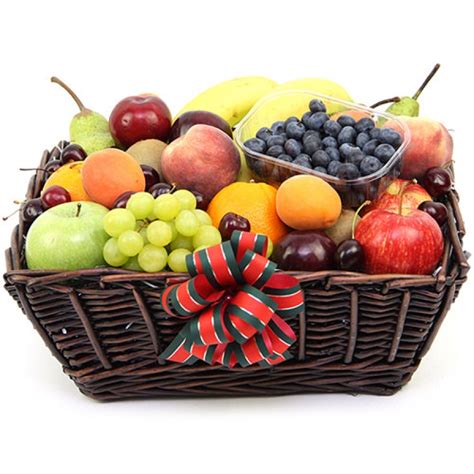
This is where seasonality truly shines. If a winter stew recipe calls for canned green beans, swap them for fresh, blanched local green beans when in season, or hearty root vegetables like carrots, parsnips, and potatoes during colder months. For desserts, use peak-season berries or stone fruits instead of frozen or out-of-season options.
Preserving the Essence: Techniques and Flavor Profiles
Beyond ingredients, consider how cooking methods can be adapted for both health and authenticity.
Slower Cooking, Deeper Flavors
Country cooking often emphasizes slow, deliberate methods. Braising, stewing, and roasting can be enhanced by extending cooking times at lower temperatures, tenderizing meats and developing richer flavors. This also allows for greater nutrient absorption.

Herbs and Spices: The Unsung Heroes
Old recipes might be sparse on fresh herbs. Don’t be afraid to introduce more fresh parsley, thyme, rosemary, or sage, especially those you might grow yourself. They add vibrant flavor and additional nutrients without relying on processed ingredients.
Scaling Down or Up
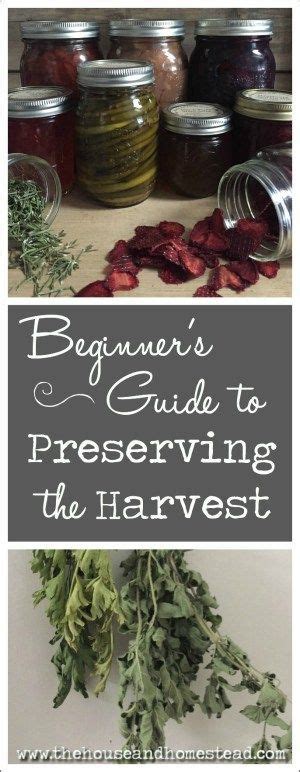
Old recipes often fed large farm families. Adapt portion sizes to suit your modern household, or learn to preserve larger batches through canning, freezing, or dehydrating – truly in the spirit of country living.
Taste and Adjust
The most crucial step is to taste as you go. Your palate is the ultimate guide. Start with small changes and incrementally adjust until the dish achieves that perfect balance of new wholesome goodness and nostalgic flavor. Keep notes on your adaptations so you can replicate them.
Bringing the Past into the Present
Adapting old family recipes for real food, seasonal country cooking is a rewarding journey. It’s an act of love – for your family, for your heritage, and for the land that provides your food. By making conscious choices about ingredients and techniques, you not only create healthier, more flavorful meals but also ensure that the stories and traditions embedded in those recipes continue to nourish future generations. Embrace the challenge, experiment with confidence, and savor the delicious results of your culinary heritage reimagined.